Serving Norfolk, VA & nearby
(757) 384-2224
Norfolk, VA

What 1970s Construction Means for Your Garage Door in Norfolk

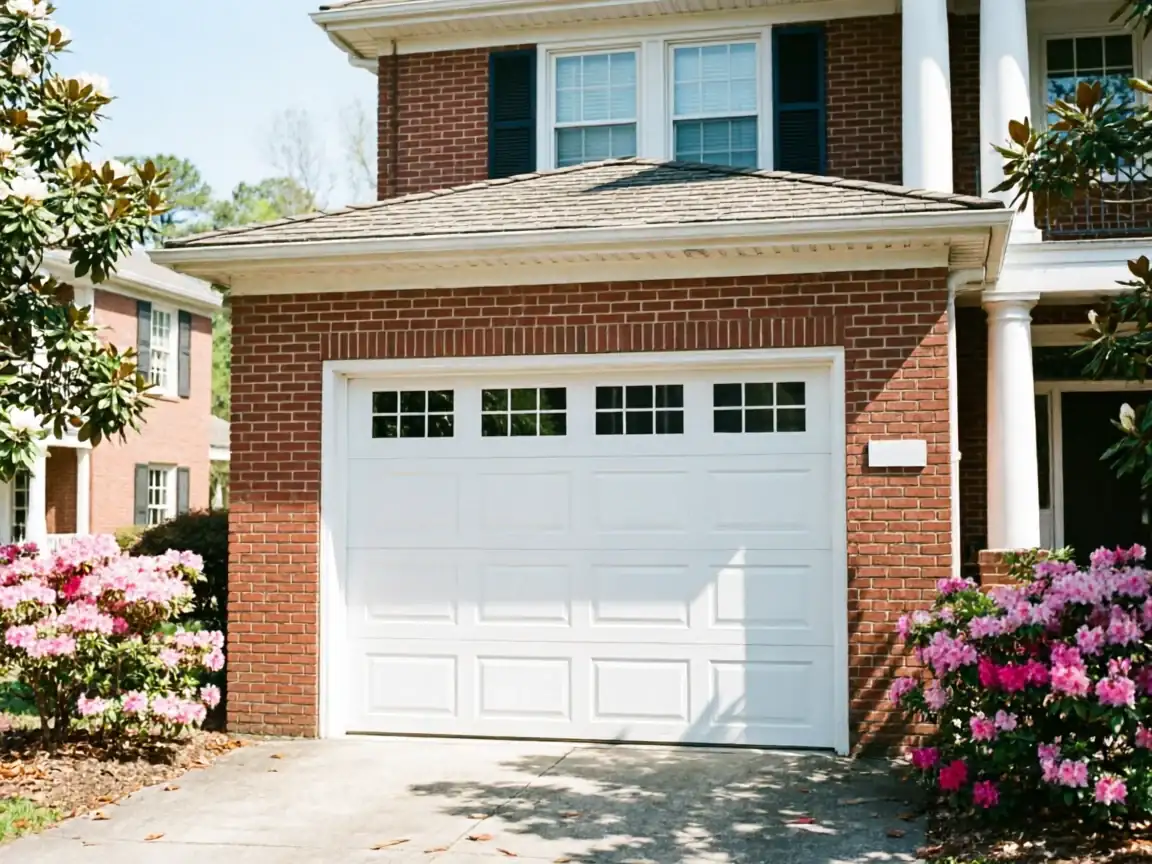
Most Norfolk homes went up between 1966 and 1977, before insulation codes tightened - original doors, original springs, no vapor barrier behind the panel.

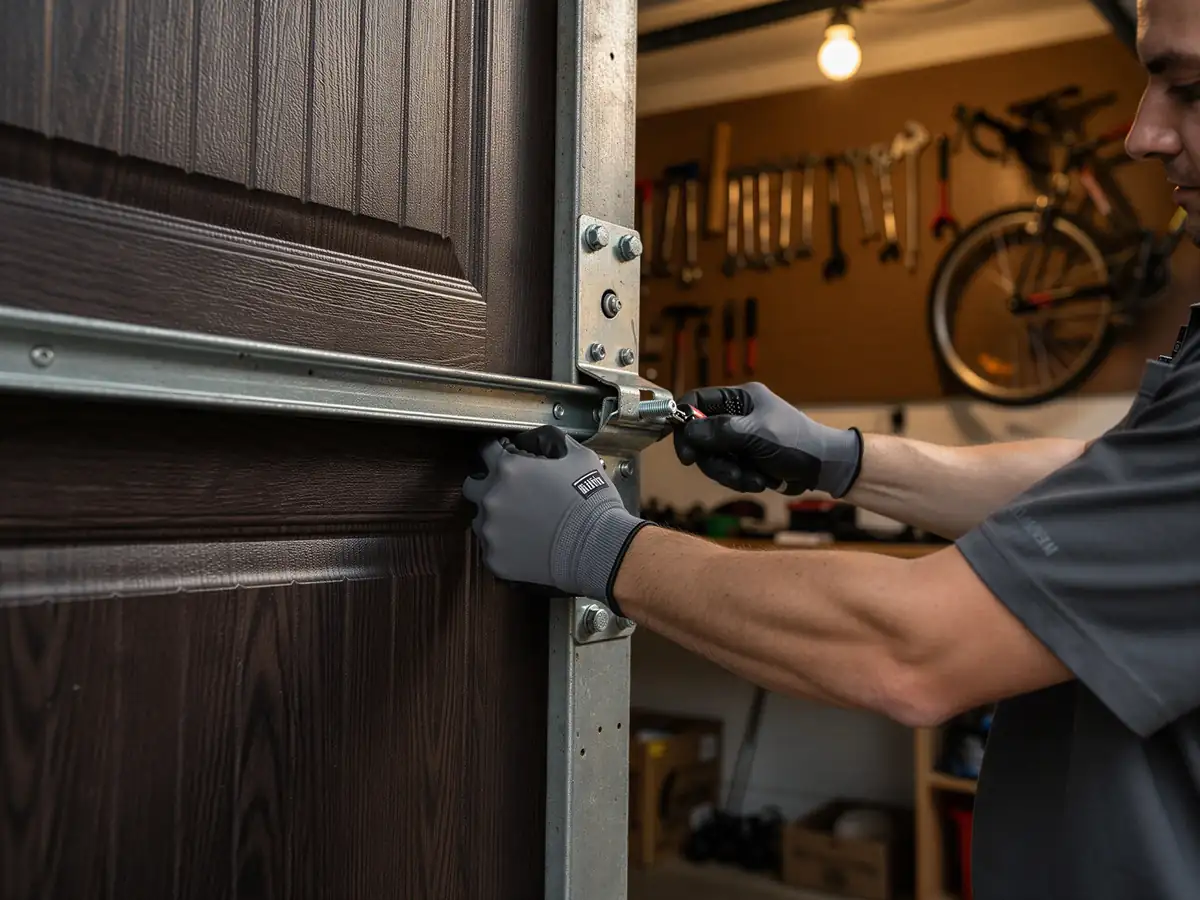
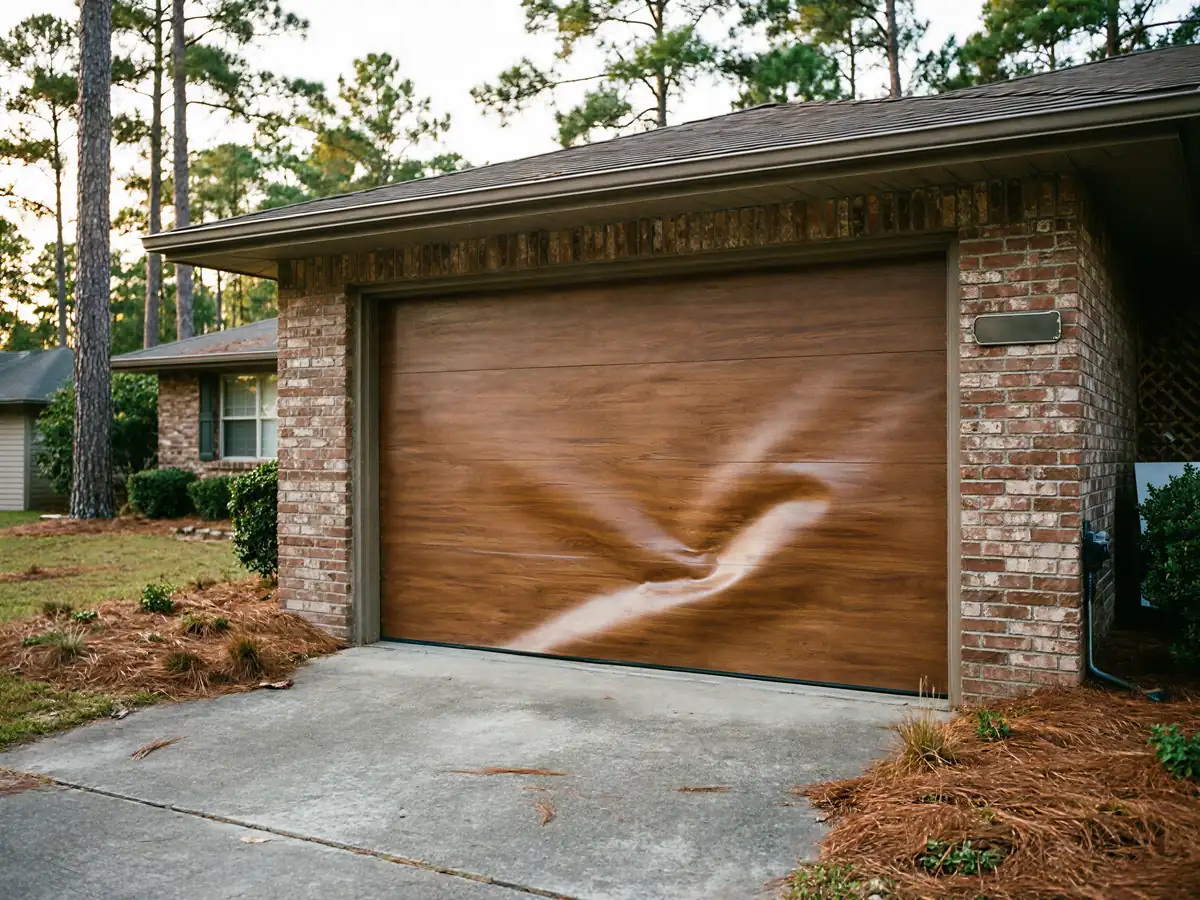
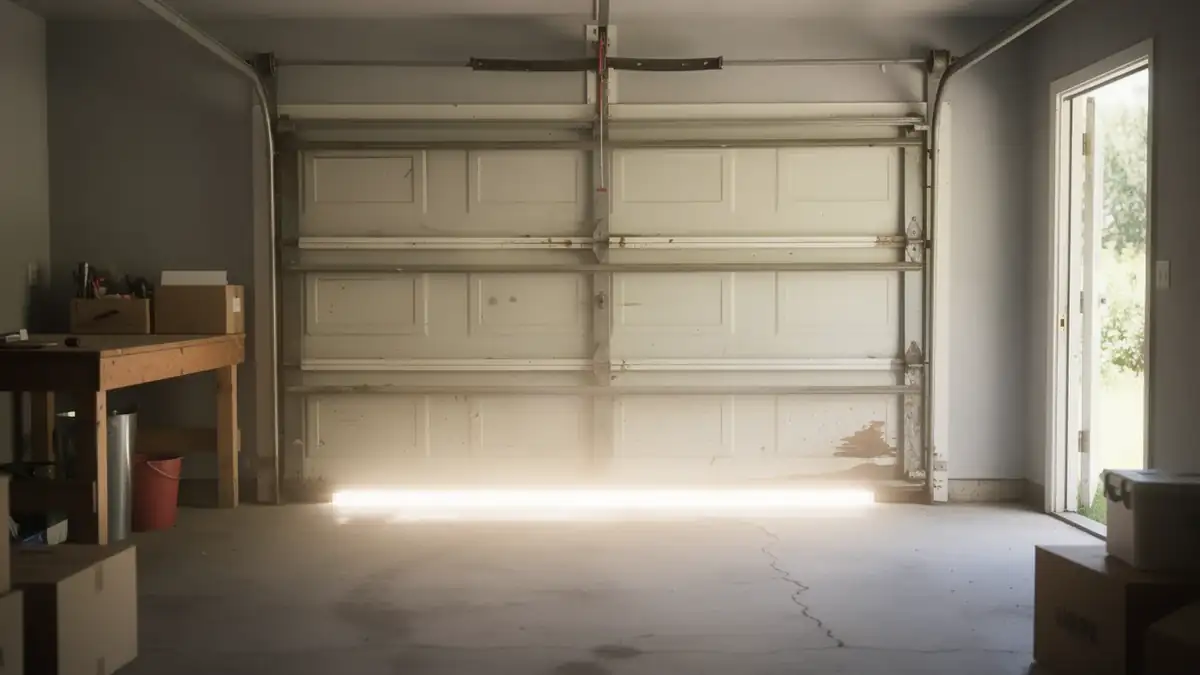
The garage door is partially open, showing light coming from outside.

How Local Conditions Play In

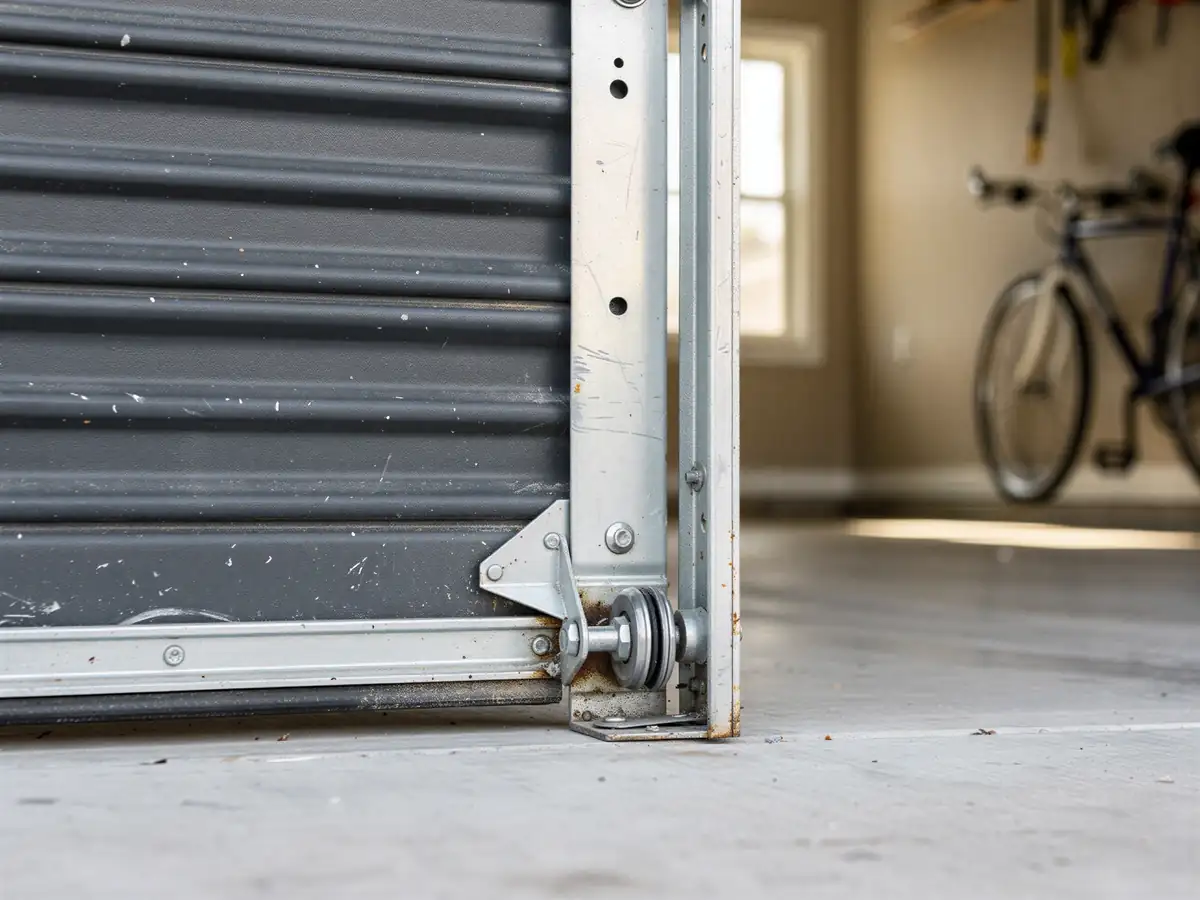
Norfolk sits close to water on more than one side - is two miles north six miles east just a mile northeast. That proximity matters for garage doors in a way it doesn't inland: salt-laden air moves through neighborhoods near the water and works on exposed steel hardware, hinges, and bottom brackets faster than it would a few miles south toward. Add a cold-moderate winter band with real freeze-thaw swings, and you get metal that expands and contracts enough to loosen fasteners and stiffen torsion springs over a season. None of this is dramatic weather - no hurricanes claimed here - but it's steady wear that adds up over decades on a door nobody's touched since it was installed. A door on a house near will usually show rust at the track brackets and hinges years before the same door would on a house set back toward. That's not a guess about any one house; it's what salt exposure plus freeze-thaw cycling does to unprotected steel over time.

What Is Going On

The housing stock across this part of Norfolk mostly dates to 1966 through 1977, with a median build year around 1971, concentrated in two main residential areas. That matters because doors on houses built before insulation rules existed were never designed with a thermal break in mind. The panel is usually a single layer of steel or a wood composite, hung on hardware sized for a lighter, uninsulated slab. When homeowners add insulation later - foam board glued to the inside of the panel, say - the extra weight puts strain on springs that were never rated for it. That's a direct, specific problem tied to this era of construction, not a general garage door complaint. With 44,335 households and 18,776 owner-occupied houses across the service area, a large share of the doors we see are original or close to it: steel panels from the 1970s, torsion springs sized to 50-year-old spec, openers retrofitted on top rather than designed in. At a median household income of $89,945, most owners here can afford a proper insulated replacement rather than a patch - but a lot of doors still get patched because nobody's told them the hardware underneath is original to the house.

Season by Season

Cold-moderate means Norfolk doesn't get brutal winters, but it gets real swings - cold enough overnight that steel contracts and springs stiffen, mild enough by afternoon that the same metal expands back. That cycle, repeated for fifty-plus years on a door built before insulation rules existed, is what cracks old weatherstripping and loosens the lag screws holding the track to the jamb. Spring is when we see the backlog from winter: openers straining because the spring tension drifted over the cold months, panels that won't seal because the rubber gasket shrank and never came back. Summer brings humidity off the water, which is harder on wood composite doors from the 1970s than on steel - swelling at the bottom panel is common where the door sits closest to grade. Fall is the one window to get ahead of it: check spring tension and weatherstripping before the next freeze-thaw cycle starts working on fasteners again. None of this requires panic. It requires knowing that a door built in 1971 is going to move differently through a Norfolk winter than a door built last year, because the steel gauge and the spring rating were never matched to today's expectations.
The Common Mistake

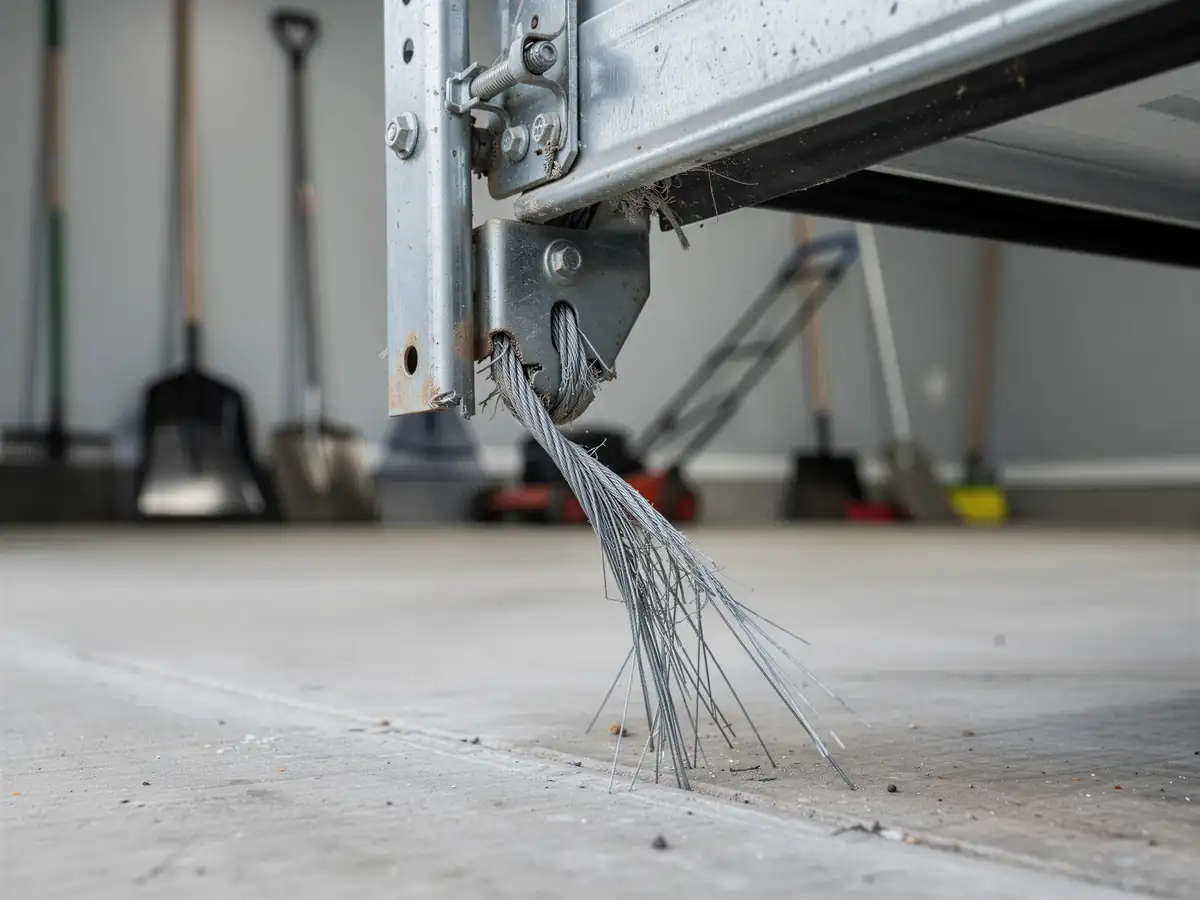
The mistake we see most is treating a sticking or noisy door on a 1970s house as an opener problem when it's actually the springs or the track alignment - original hardware that's simply reached the end of its service life after fifty years of freeze-thaw cycling and salt air near the water side of town. Swapping the opener fixes nothing if the spring is under-tensioned or the track has racked out of square, which is common on houses built before insulation rules existed and before anyone added a vapor barrier behind the panel. The honest limitation here: if a door is original to a house built in the late 1960s or 1970s, we often recommend replacement over repair once the track, springs, and panel are all showing their age at the same time - patching three failing systems individually usually costs more than one new insulated door, and we'll tell you that rather than keep selling parts for a door that's done.

How it works

From “it’s stuck” to “it’s fixed”

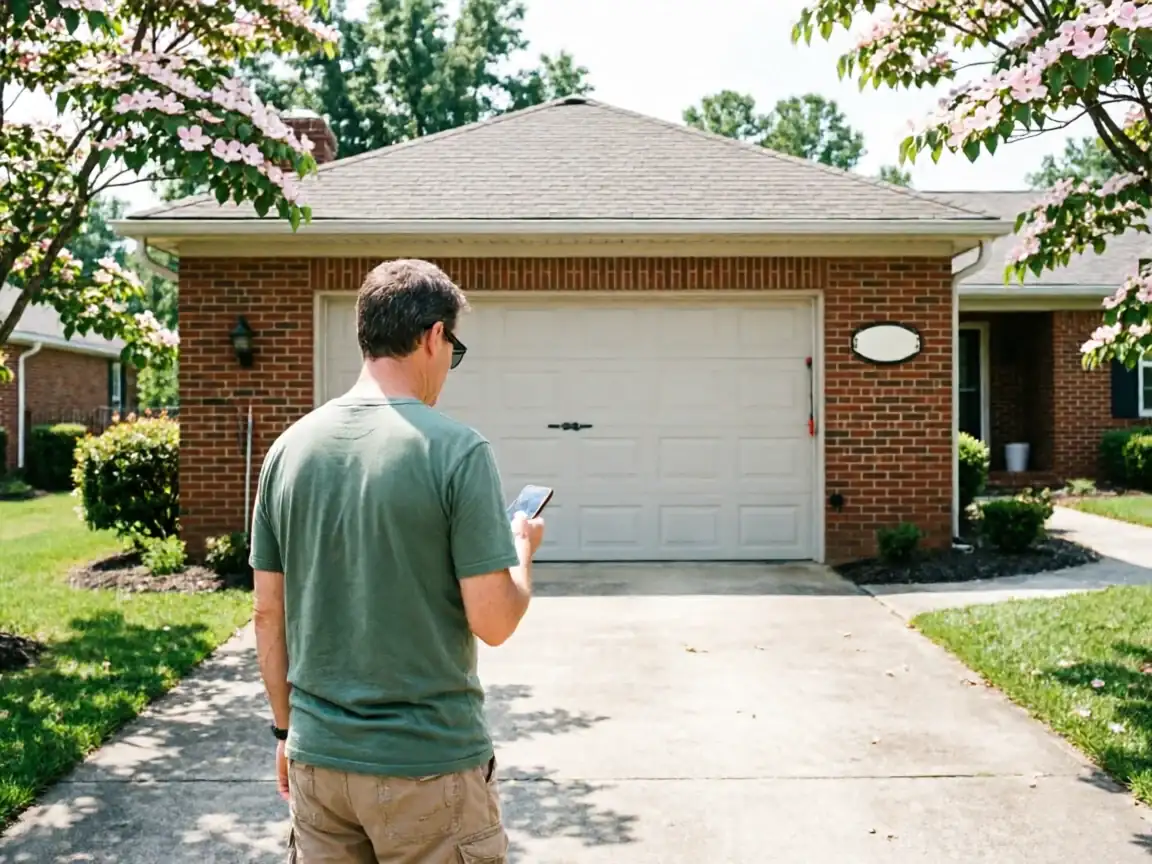
A man stands in a driveway looking at his phone in front of a garage.

Tell us what’s wrong

Describe the symptom - won’t open, loud bang, opener runs but the door won’t move.

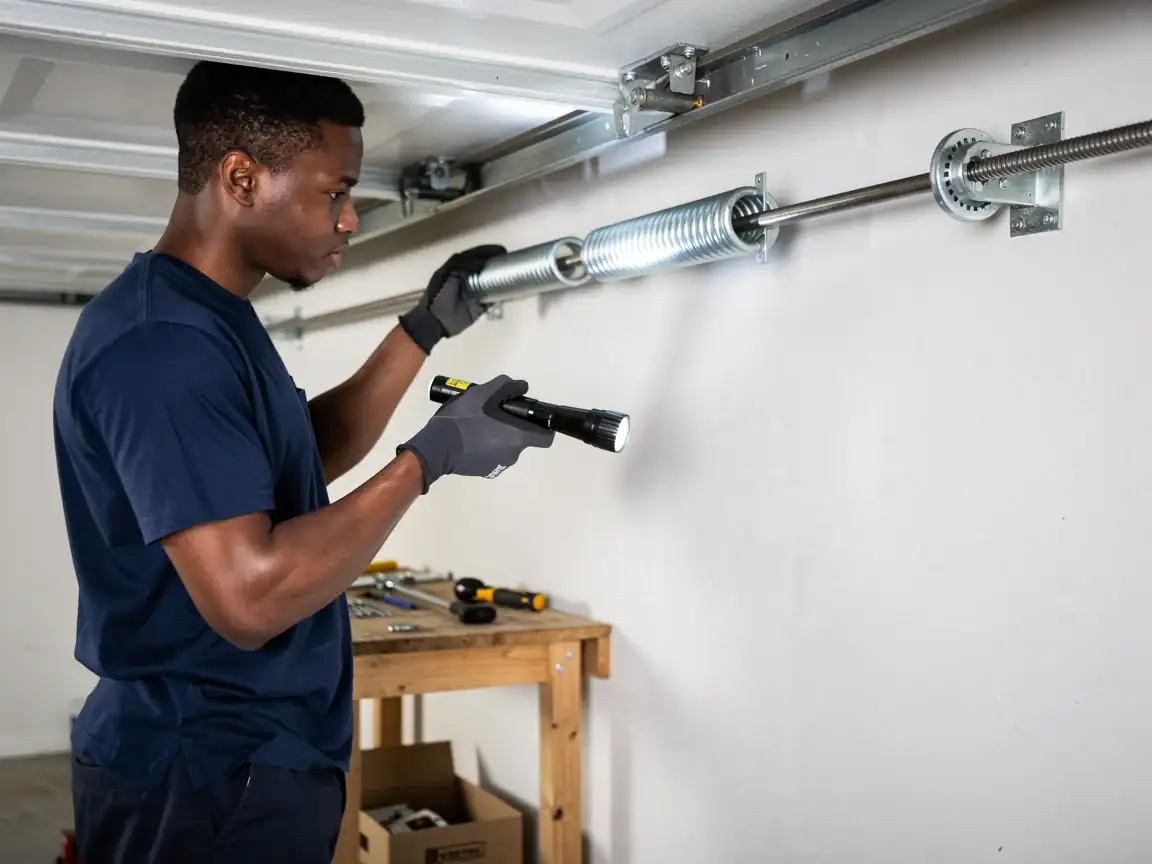
A technician holds a flashlight and works on a garage door torsion spring.

On-site diagnosis

A technician tests the door under power and by hand and finds what actually failed.

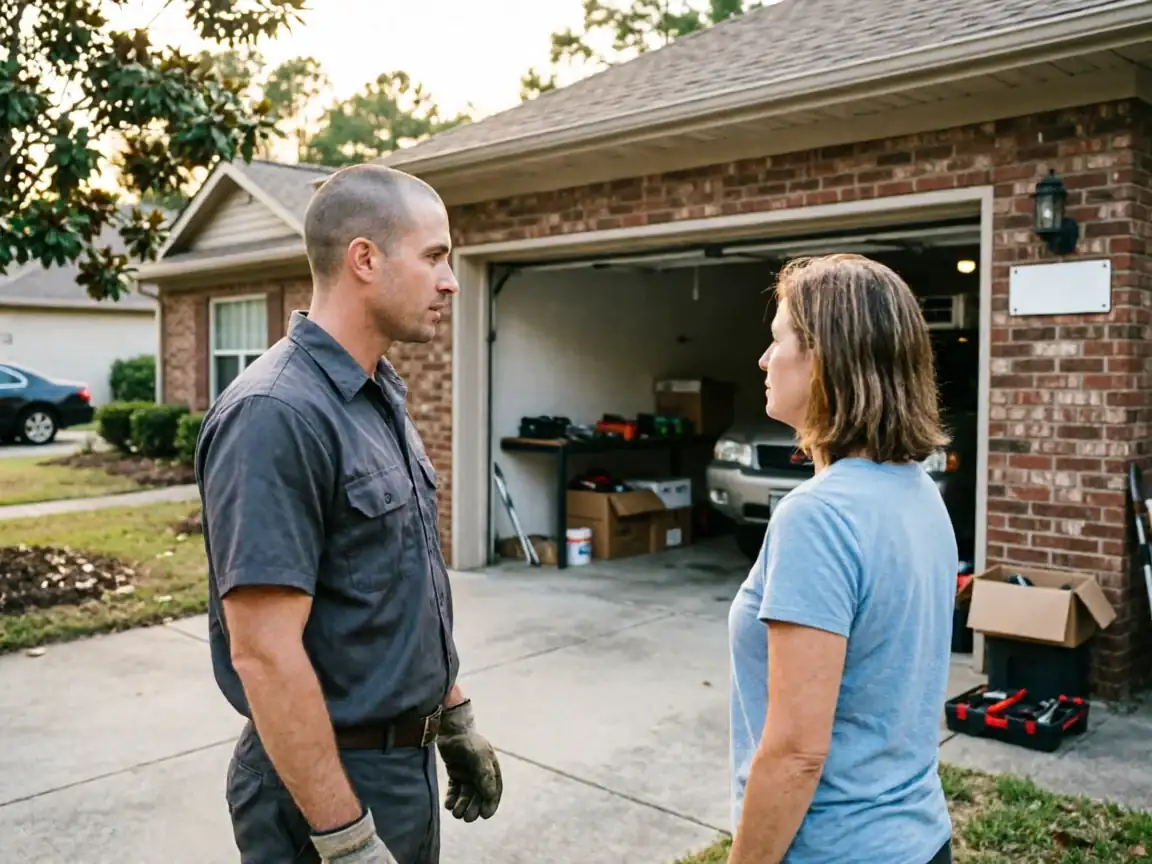
A technician and a woman stand facing each other in a driveway.

Clear, up-front plan

You get the fix that’s needed and what drives the cost - before any work starts.

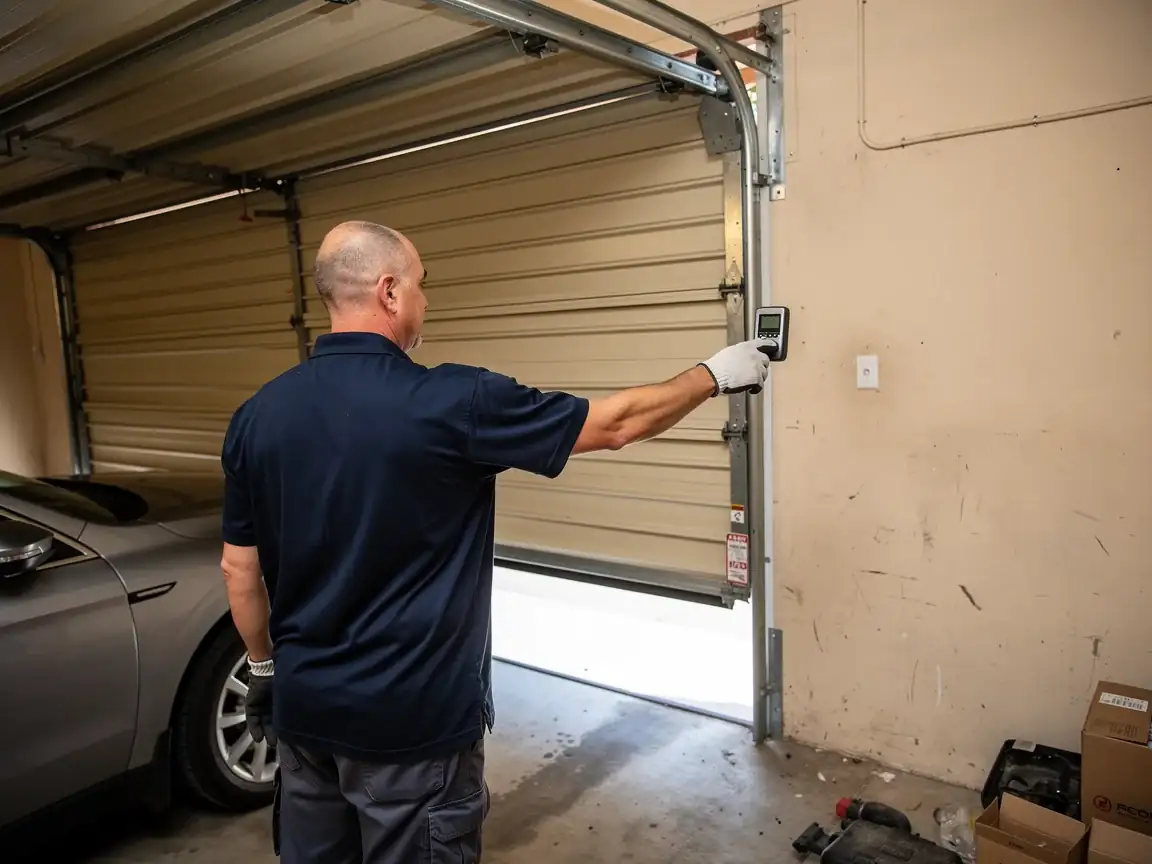
A technician holds a remote control while standing next to an open garage door.

Repaired & tested

The repair is done, the door is set true and tested, and the work area left clean.

Not sure which repair your door needs in Norfolk, VA? Describe what it’s doing - every job starts with a diagnosis.

How we work

What to expect

Diagnosis firstEvery visit starts by finding what actually failed - not a pre-written parts list.
The right part for the doorSprings and openers matched to the door’s weight and age, so the fix holds up.
Straight answersWhen a repair makes more sense than a replacement - or the reverse - you hear it plainly.
Clean, careful workTension released safely, hardware set true, the door tested under power before we leave.
What we do

Garage Door Services

Repair and installation work for Norfolk homes and businesses.

Questions

Frequently asked

Straight answers about garage door repair in Norfolk. Still unsure? Ask us directly.

Why does my garage door stick worse in winter?

On a lot of Norfolk houses built in the 1966-1977 range, the torsion spring is original and was never rated for extra insulation added later. Cold-moderate winter swings make the steel contract, which tightens tolerances in the track and stiffens the spring further, so the door binds or the opener strains. It's the hardware age combined with the cold cycle, not just one or the other.

Is salt air really a problem this far from the water?

If your house sits closer to or the side of town, yes - that's within a few miles of open water, and airborne salt works on exposed hinges, brackets, and bottom hardware faster than it does further inland toward. It's slow corrosion, not a dramatic failure, but it shows up earlier near the water.

My house was built in 1971 - should I repair or replace the door?

Depends what's failing. If it's just weatherstripping or a loose track bracket, repair makes sense. If the spring, track alignment, and panel are all showing age at once, which is common on original doors from that era, replacement with an insulated door usually costs less over time than repairing three worn systems separately.

Ready to get your garage door sorted?

Tell us what it’s doing and where you are in Norfolk - we’ll take it from there.

Request a QuoteCall