Why It Happens Here
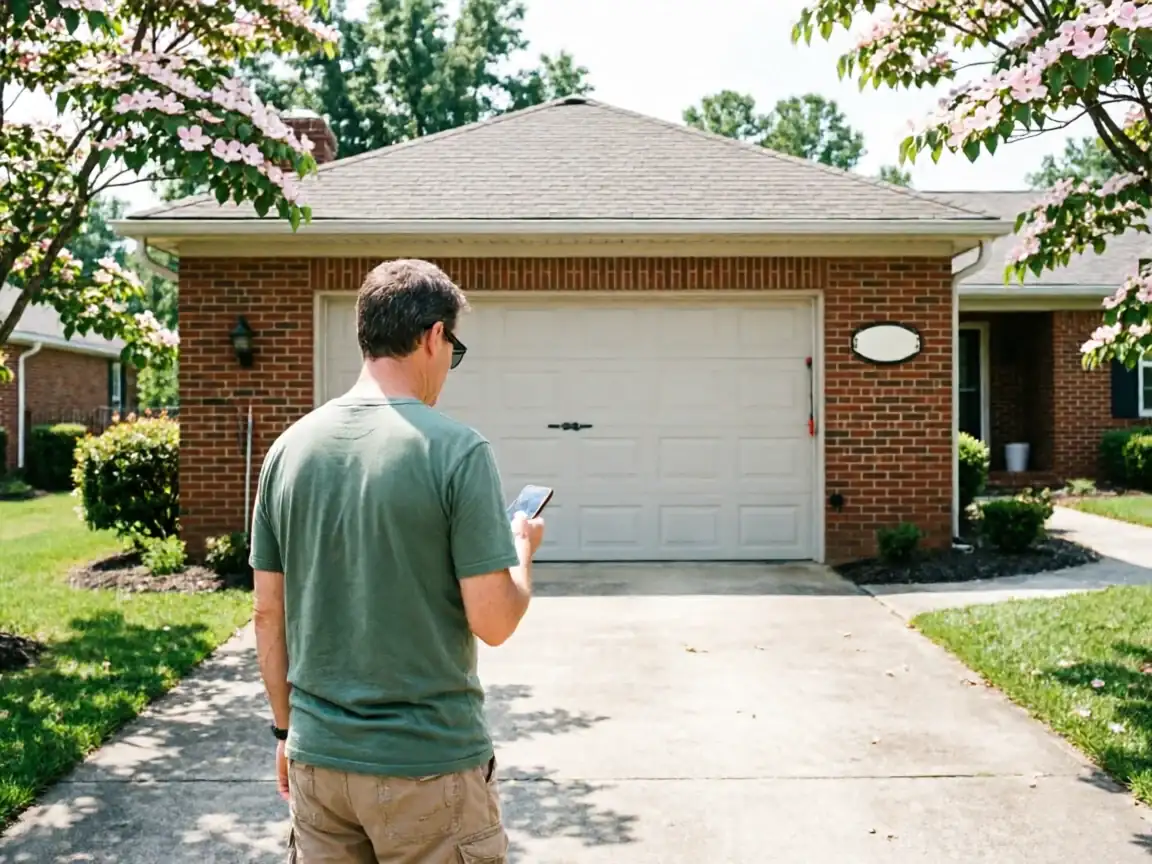
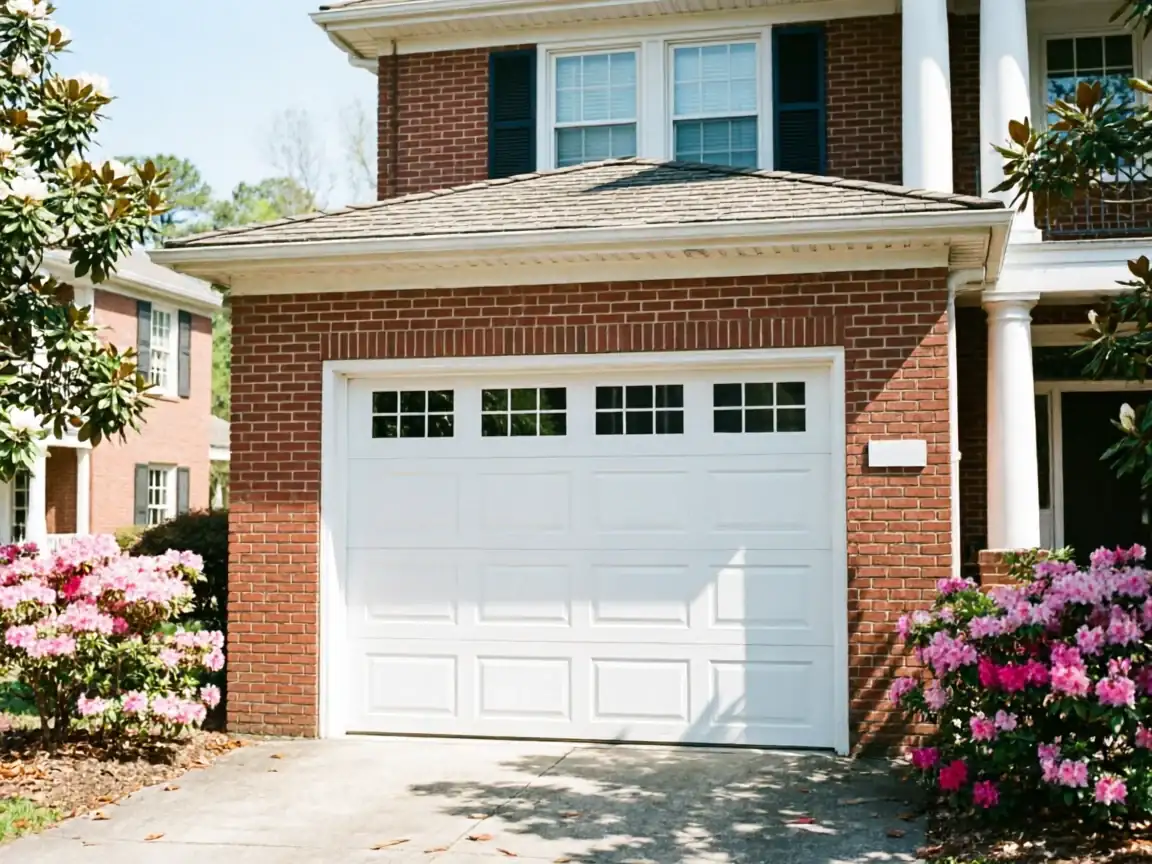
Most houses in this part of Norfolk went up between 1966 and 1977
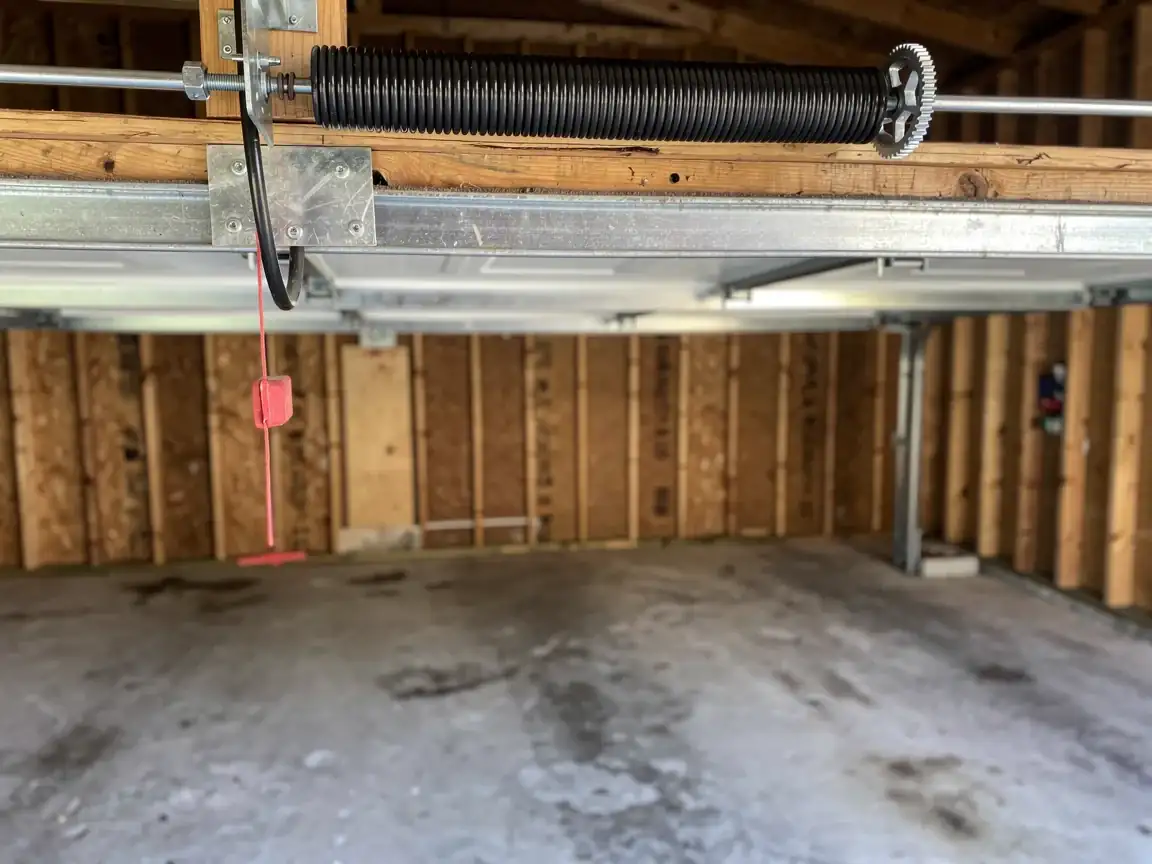
With the median landing around 1971. That matters more than people think. A garage door's torsion spring is rated for a set number of open-close cycles, and hardware installed when these houses were built is now fifty-plus years and tens of thousands of cycles into a part that was never meant to last forever.
Norfolk also sits in a cold-moderate climate band
It's not brutal cold, but it's enough swing between a chilly morning and a mild afternoon that lubricant in an old chain-drive opener never settles into one state. It stiffens overnight, loosens by midday, and that cycle works on steel and grease the same way it works on your knees - slowly, then all at once.
Put those two things together and you get a predictable failure pattern
Original torsion springs that were sized for a lighter door, fatigued steel that's been through more freeze-thaw cycles than it was spec'd for, and openers straining against resistance they weren't built to fight every single day. This isn't a defect in any one door. It's what happens when 1970s hardware meets fifty more winters than the manufacturer planned on.
What You Are Seeing
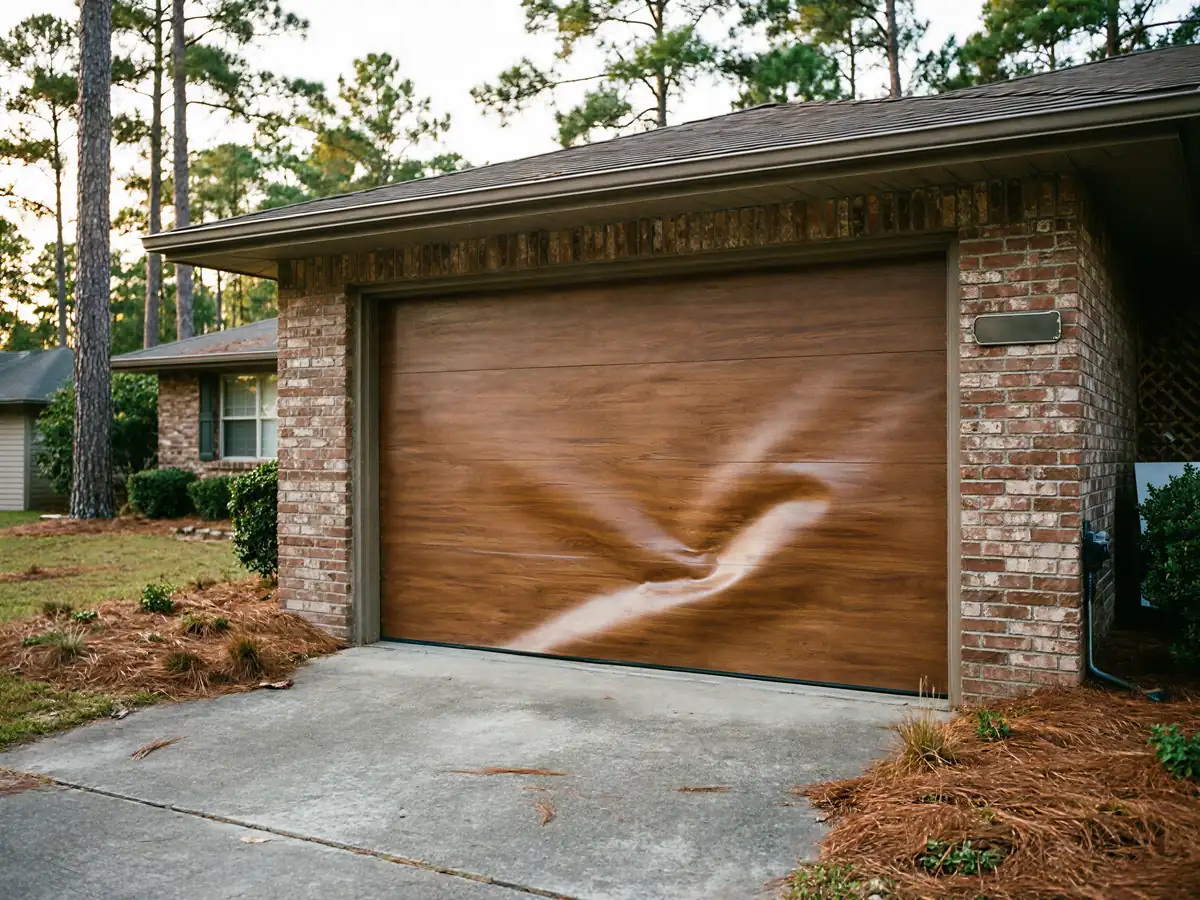
In a mile and two miles out from the rest of the city, we still open a lot of the same stamped-steel panels that came with those houses when they were built. The tells are consistent: the door sags on one side when it's partway up, the opener grinds or stalls instead of running smooth, or the door drops fast in the last foot instead of settling.
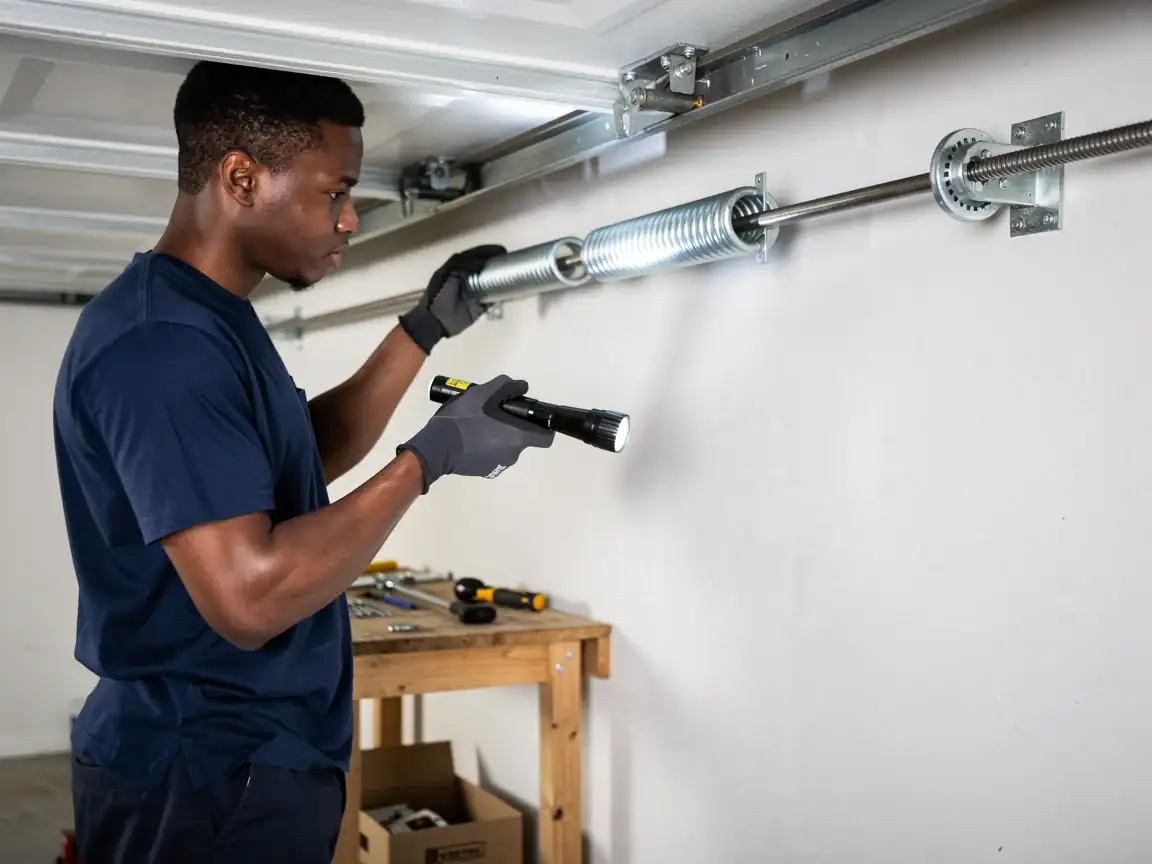
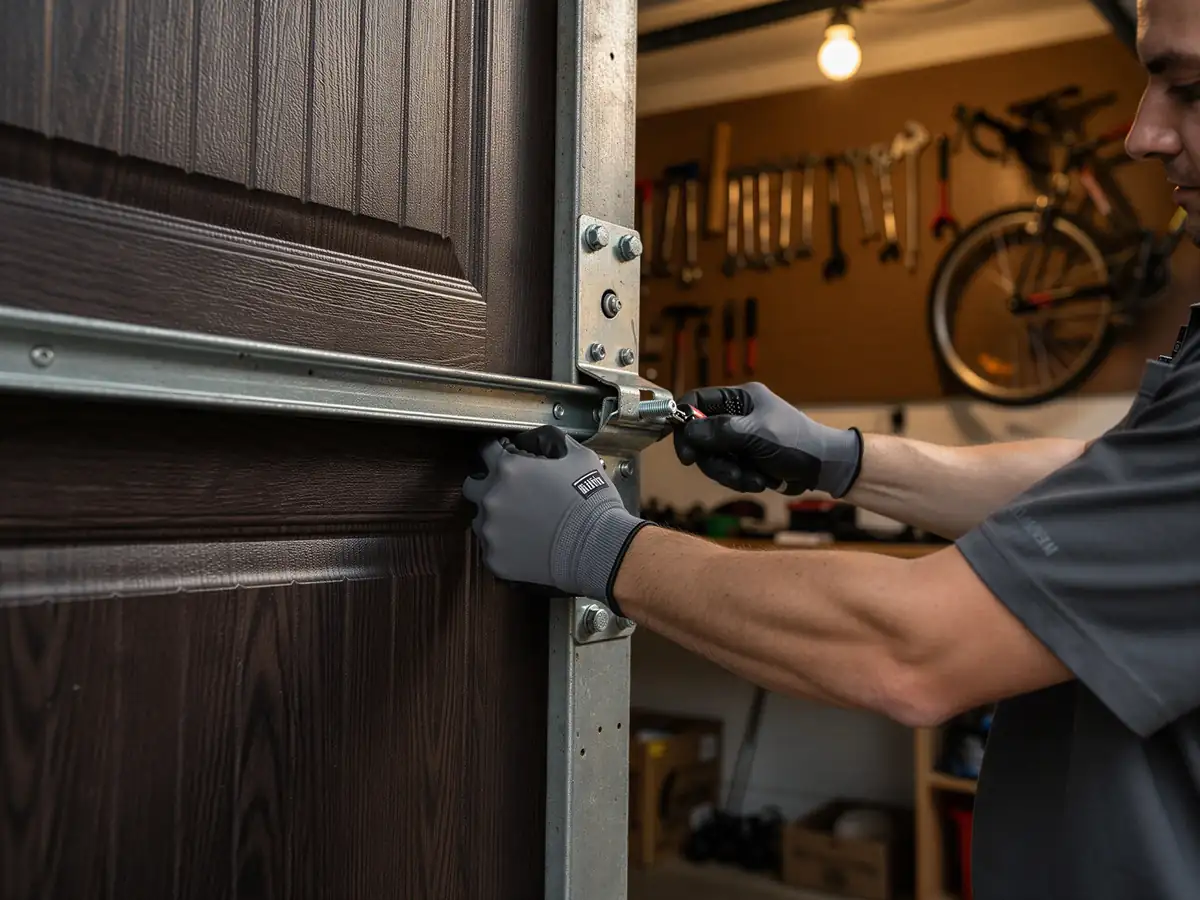
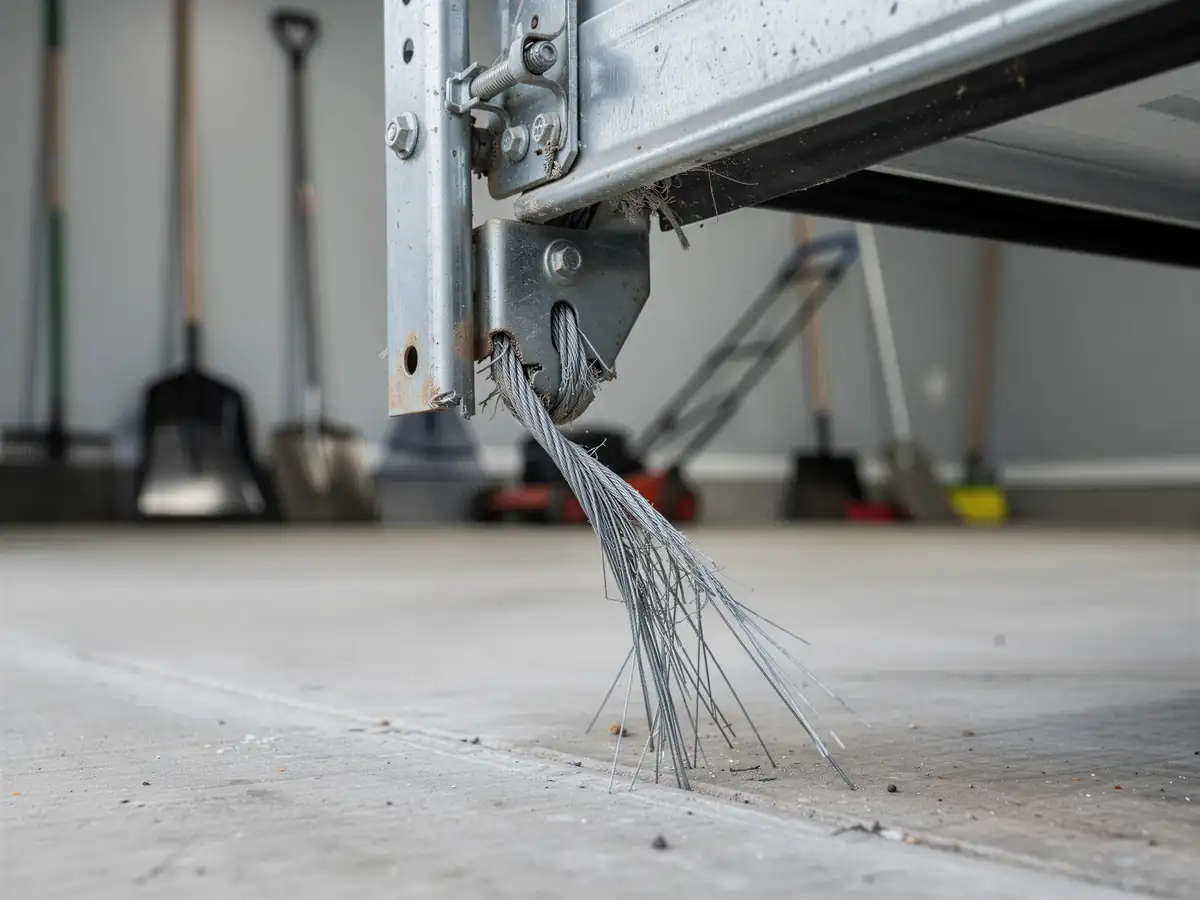
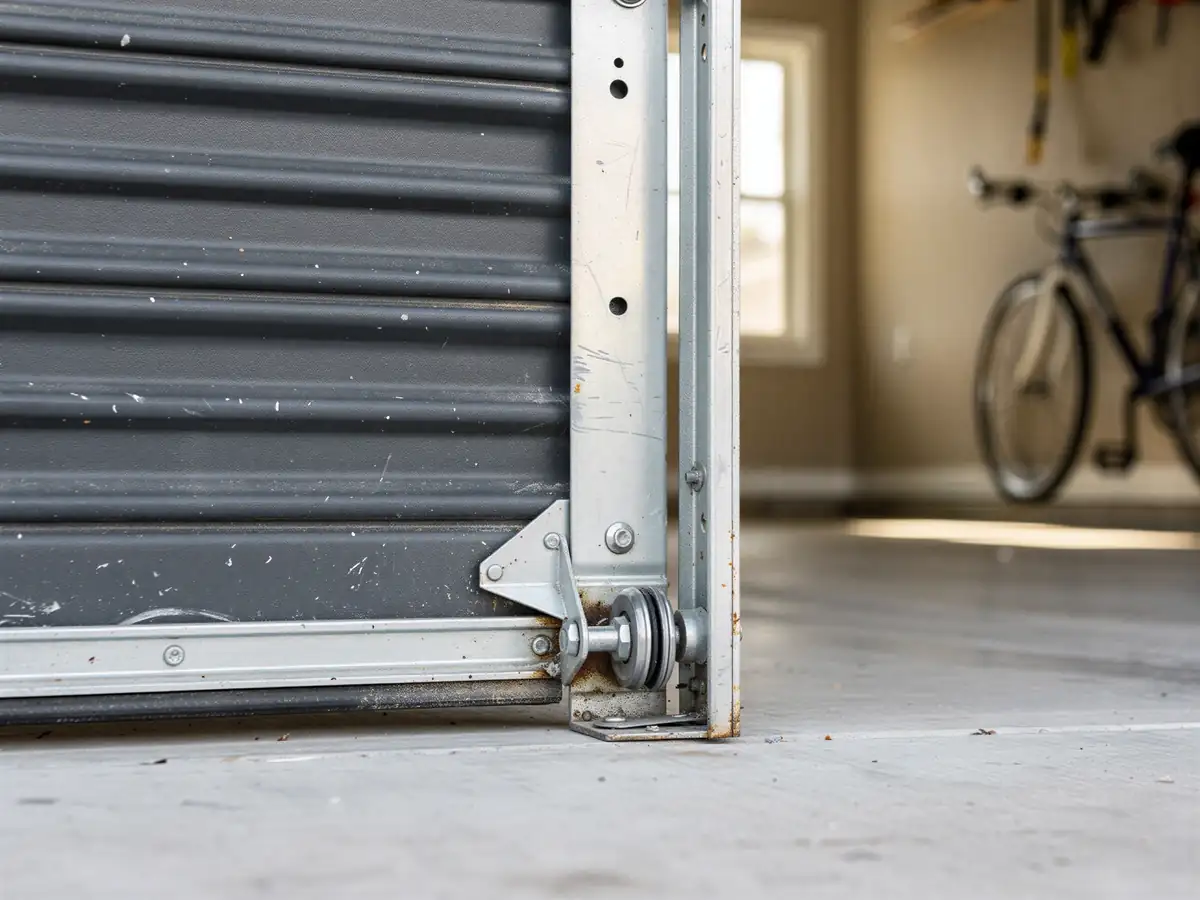
Sometimes it's a cable that's frayed where it rides the drum - original cables on original drums, never replaced, just stretched a little more each year. Sometimes it's a torsion spring that's lost enough tension that the opener is doing a job it was never built to do alone, which is why the motor sounds like it's working harder than it used. On older extension-spring setups, you'll sometimes see one side bounce or hang up while the other side runs free, which almost always means a spring gave out and nobody's noticed yet because the opener compensated for months before it couldn't anymore.
None of these are rare. Given how much of Norfolk's housing is 1960s and 70s stock, it's closer to normal than exception.
How Long You Are Without the Door
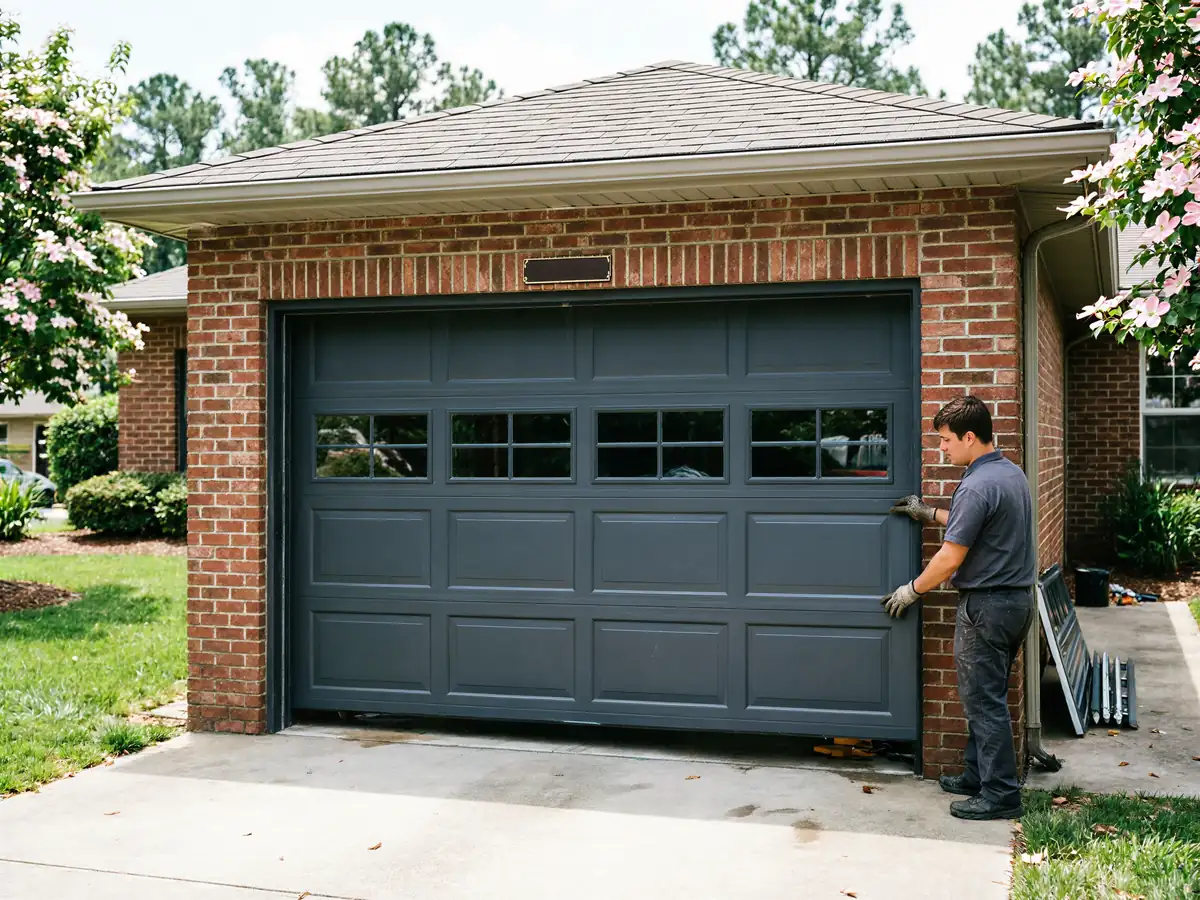
We won't promise a response window we haven't been given to promise, so we won't put one here. What we can tell you honestly: a straightforward spring or cable swap on hardware we carry in the truck is usually a same-visit fix, start to finish, once we're looking at the door.
Where it slows down is parts that don't match anything current - some of the original drums, tracks, and spring sizes from 1966-1977 construction aren't things anyone stocks anymore, including us. If your door needs one of those, we tell you straight that we're ordering it rather than pretending we can improvise a fix that won't hold.
That's the one honest limitation worth saying out loud: a 50-year-old door with original non-standard hardware sometimes takes longer to fix than a newer one, not because the labor is harder but because the part doesn't exist on a shelf anywhere nearby. In those cases, replacing the spring and cable system with modern equivalents - rather than hunting for an exact original match - is usually the faster and more sensible call, and we'll say so instead of stalling you on a special order.
How We Fix It
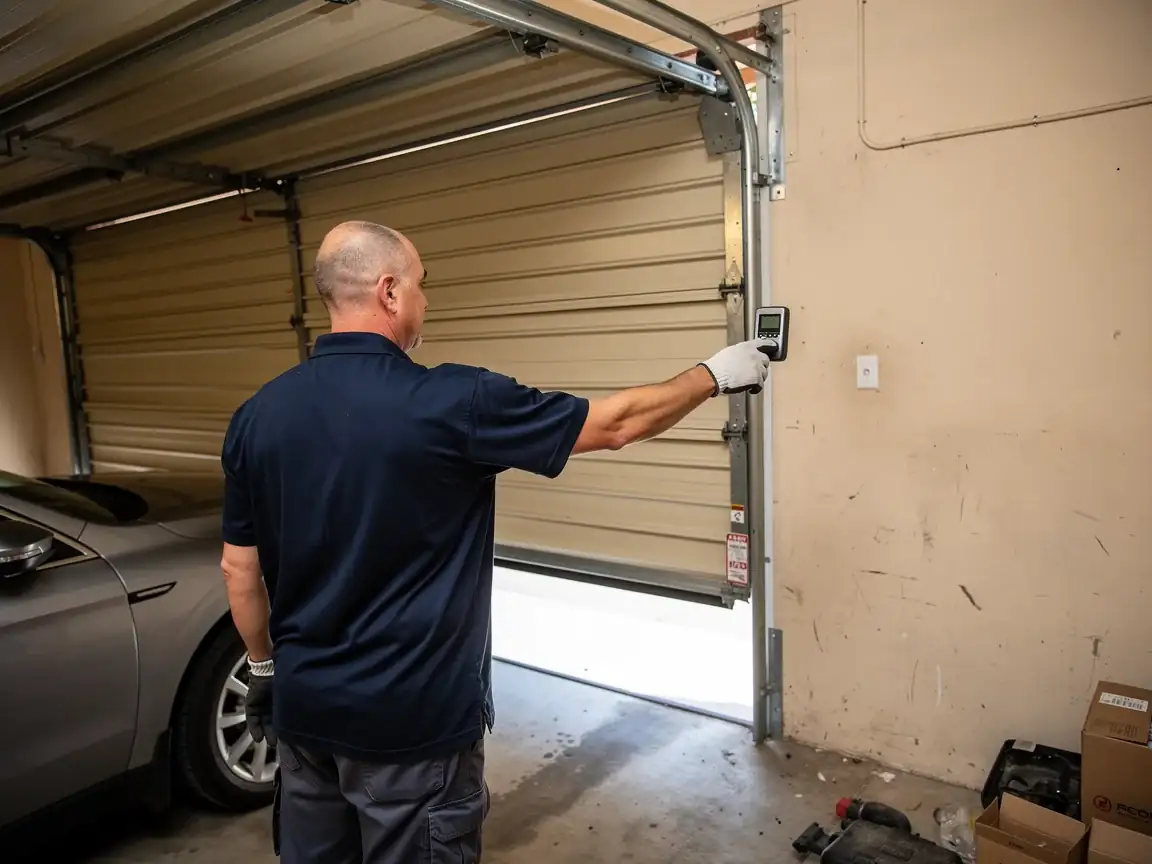
We start by running the door through a full cycle and watching where it binds, drags, or drops
Because the symptom you see at the opener button isn't always where the problem is. On a house from this era, that means checking torsion spring tension against the door's actual weight, not just what the spec plate from 1971 says, since replacement panels and added insulation over the years change the math.
From there it's a straight repair
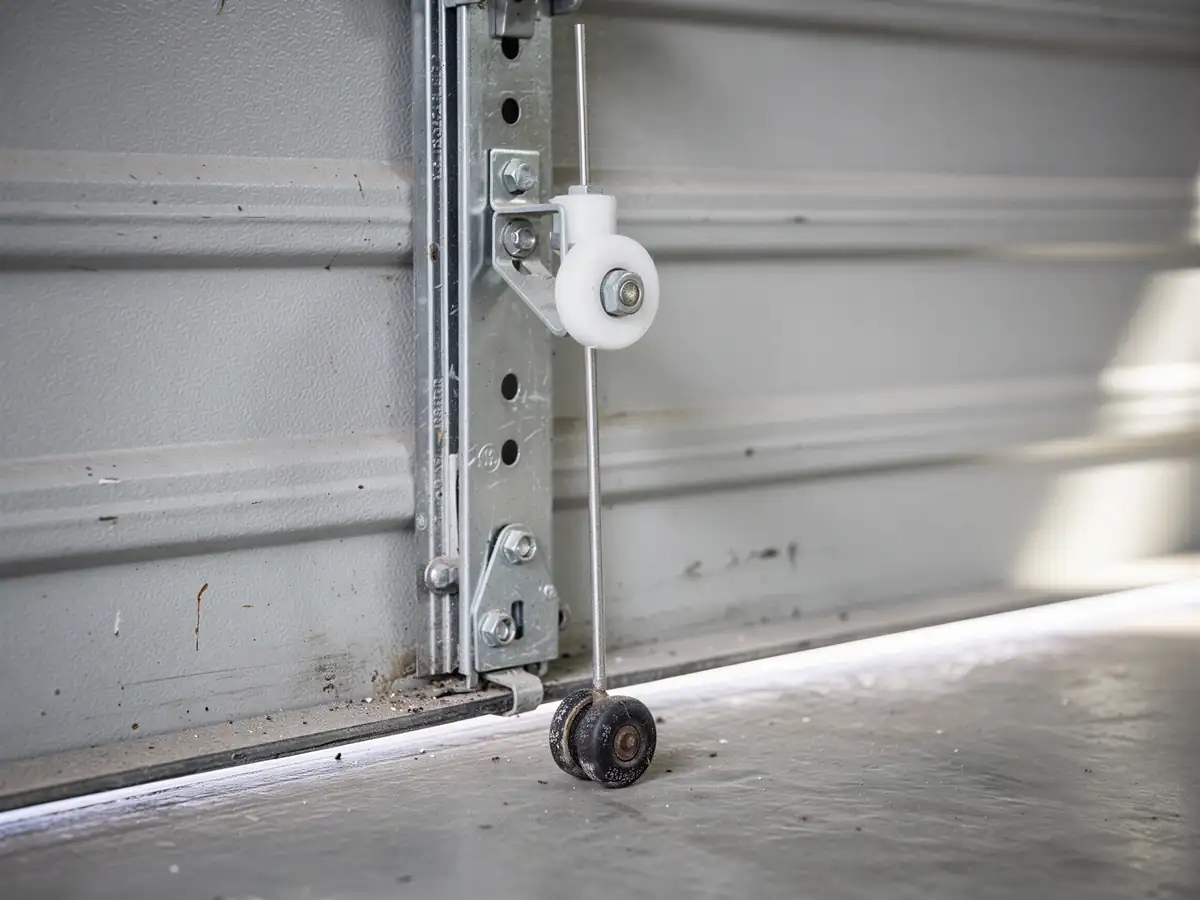
Matched springs sized to the door you actually have, cable and drum replacement when the originals are worn past safe tension, and track alignment so the rollers aren't fighting the frame on every cycle. We don't upsell a full opener swap when a spring and a tune-up solve it.
We work across the Norfolk service area, including Downtown close in
And we take calls out to Portsmouth, Poquoson, and Joint Expeditionary Base. Most of what rolls through our schedule, though, is the cluster of 1960s and 70s houses inside Norfolk proper - which is also where we've built the clearest sense of what breaks and why.