Why It Happens Here
Most of the housing in this part of Norfolk went up between 1966 and 1977
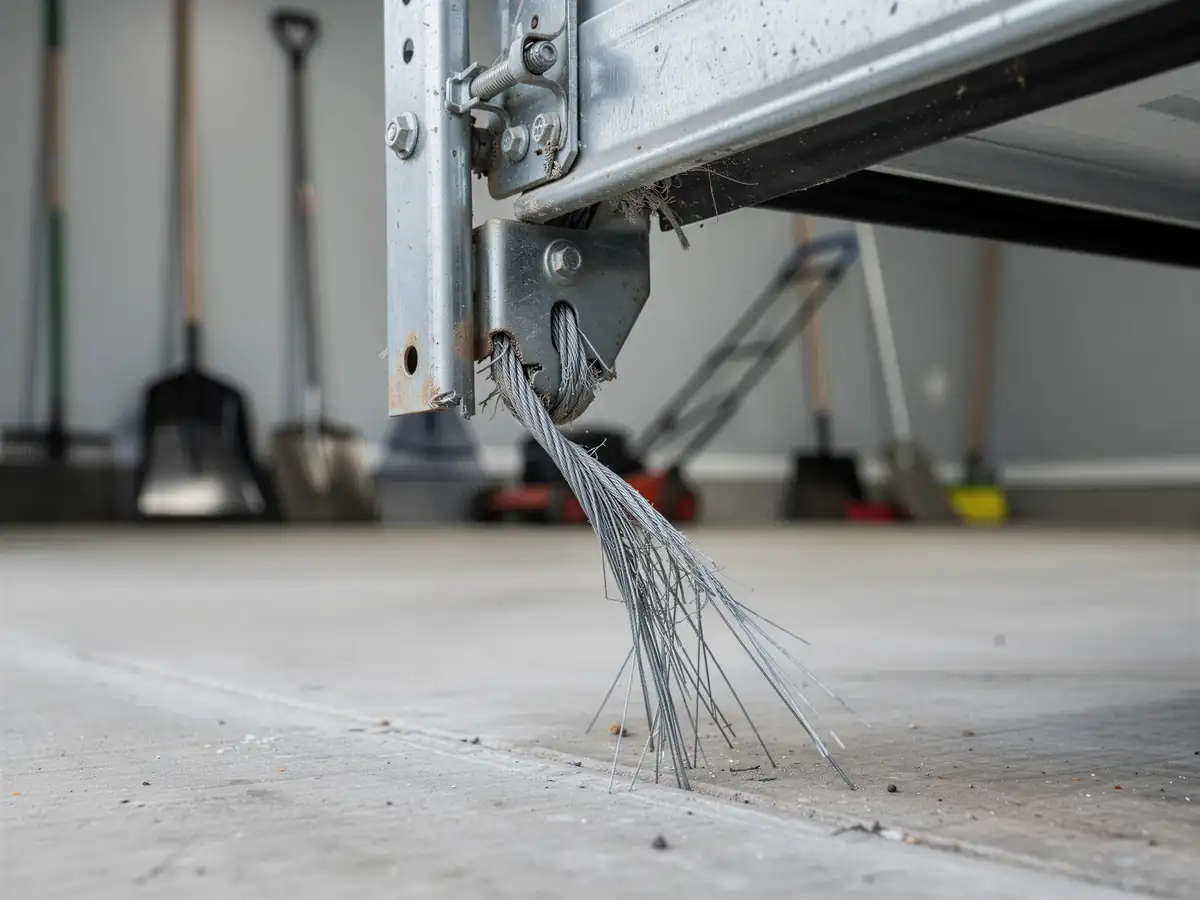
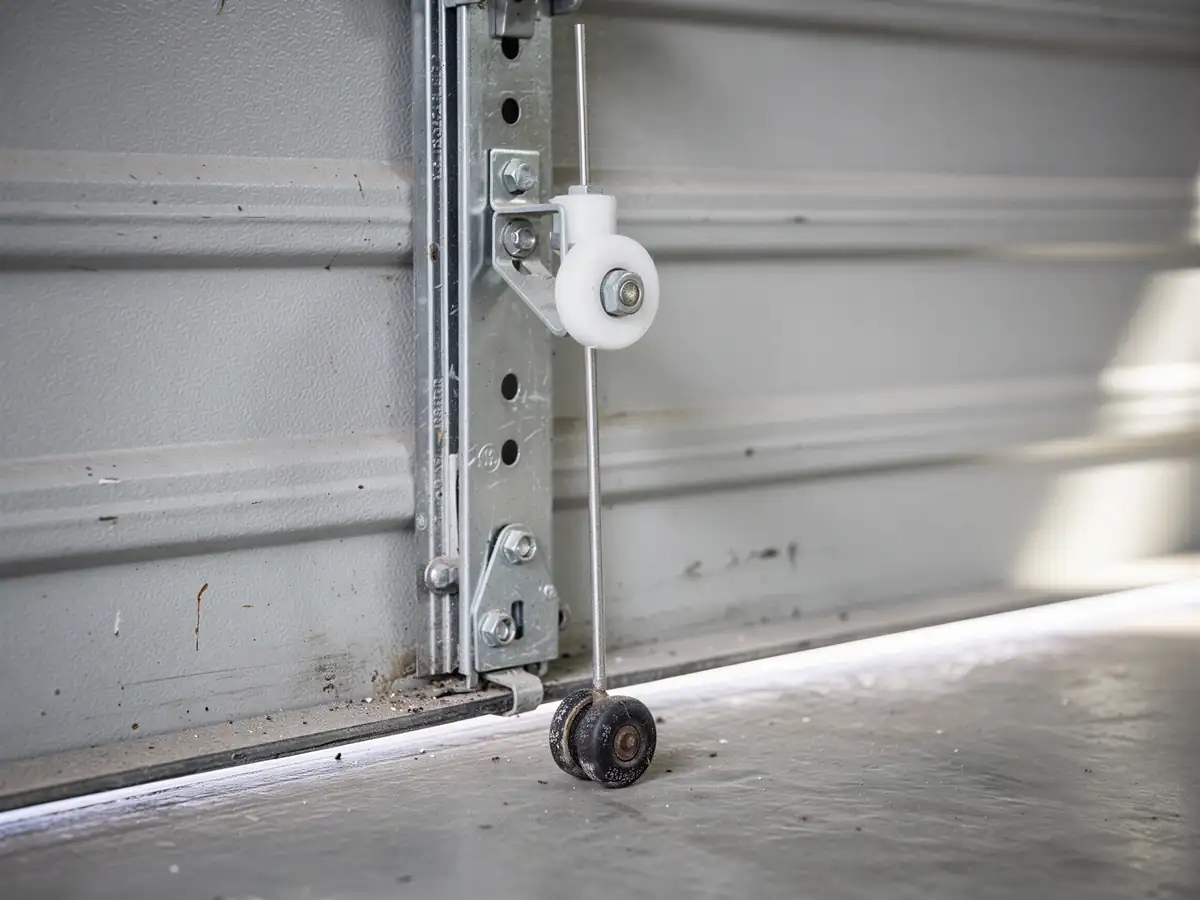
With the median build year sitting around 1971. That means a lot of original steel track still hanging on original brackets, bent by five decades of use and, in plenty of cases, never re-leveled once. Track doesn't fail on its own - it fails when the hardware holding it up loosens, when a roller wears down and starts riding the edge of the rail instead of the center, or when a cable frays and lets one side of the door drop faster than the other.
Norfolk sits in a moderate cold climate band, which sounds mild until you factor in the swings
Metal track contracts in a cold snap and expands again a day later; brackets that were already a little loose from age work themselves looser with every cycle. On a door that's already 40 or 50 years old, that's often the push that finally walks a wheel out of the rail.
- 50 years
We see this across the whole service area, not just one neighborhood
Areas like all carry that same mid-century housing stock, so the pattern repeats block to block rather than concentrating in one part of town. The common thread isn't the street, it's the age of the hardware.
What You Are Seeing
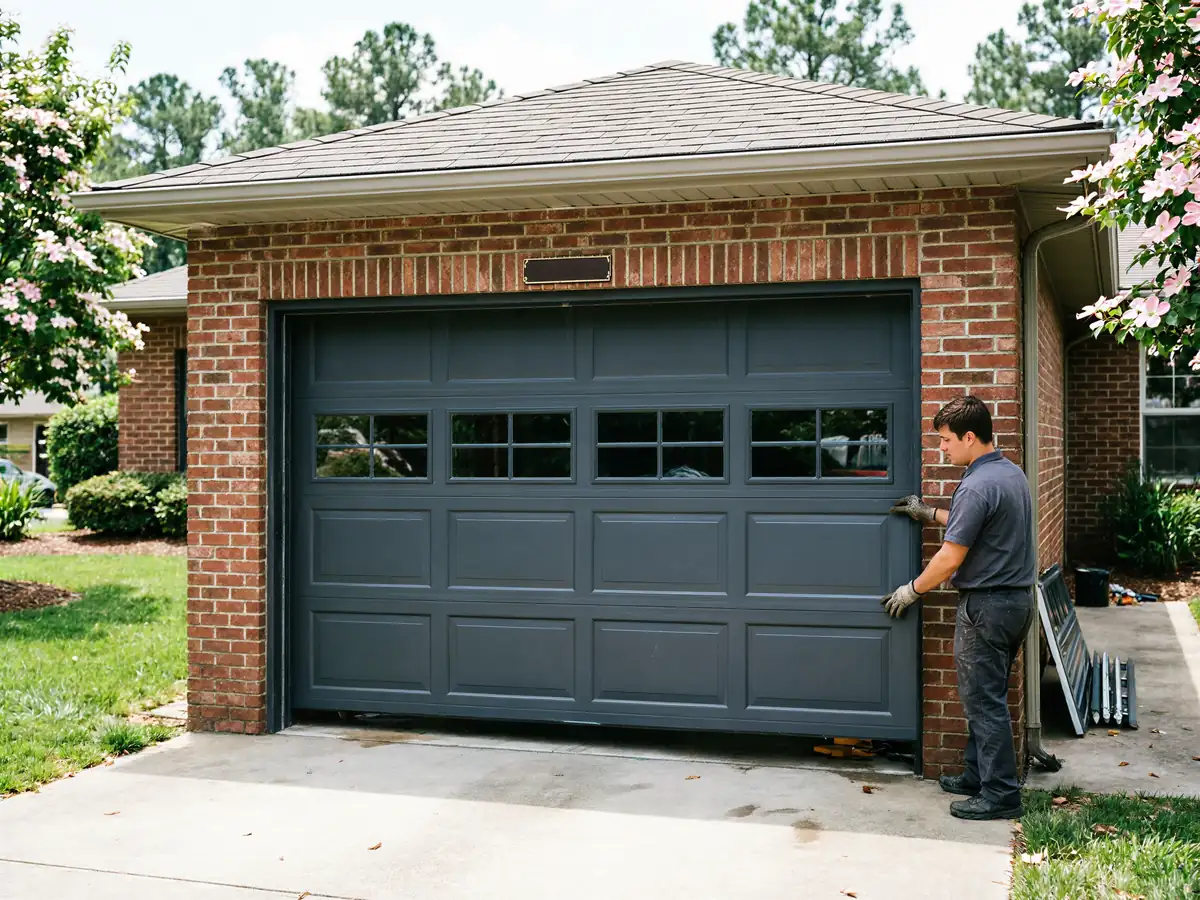
A door off track rarely slams shut all at once. More often it starts small: a grinding or popping sound as the door travels, a visible gap between a roller and the track on one side, or the door hanging crooked when it's partway open. Sometimes it's a door that stops a foot off the ground and won't go further because a roller has already jumped the rail and is wedged against a bracket.
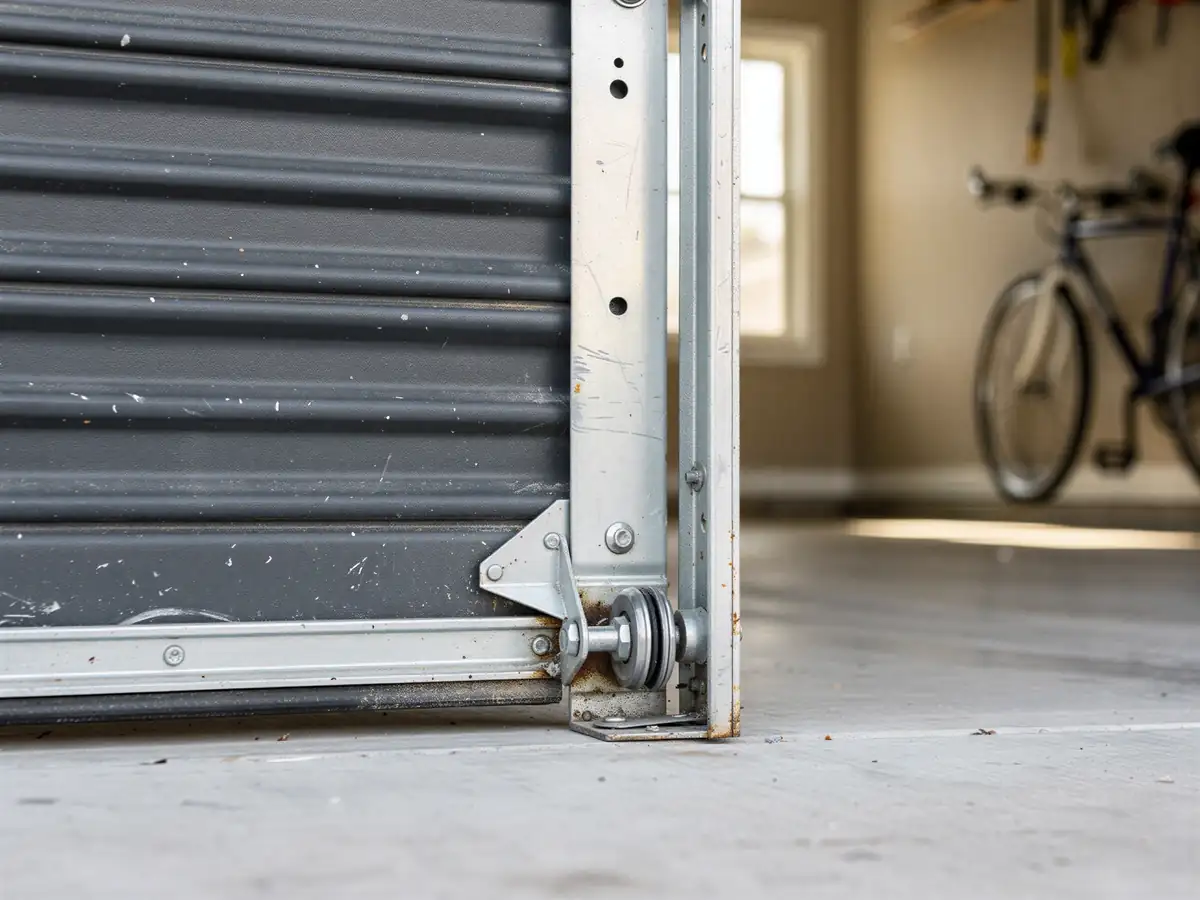
On older galvanized track like a lot of this area still has, you'll sometimes see rust pitting right where the roller rides - that's a sign the track itself is thinning, not just misaligned. If the opener keeps trying to pull the door and it won't budge, don't keep hitting the button. A motor fighting a jammed door is how you turn a track repair into a track-and-opener repair.
One honest note: if the track is bent more than slightly, or the door has come off at more than one roller, straightening it back into place usually isn't worth doing - it'll walk off again within weeks. At that point replacing the section of track is the actual fix, not a patch.
How Long You Are Without the Door
A door off track is usually a one-visit job once we're looking at it in person - re-seating rollers, re-leveling a bracket, or swapping a section of bent track doesn't take long on its own. What stretches the timeline is figuring out why it jumped in the first place. On a house from the 1966-77 era, a door that's come off track once has often got a second issue underneath it - a cable close to fraying, a spring that's lost tension, hinges worn oval instead of round - and leaving that unaddressed just brings the door back off track again in a few weeks.
We'd rather diagnose that while we're already there than send you a second call for the same door. If parts need ordering - a specific roller size or a length of track that isn't standard stock - that can add a day or two, but most of what fails on doors this age is common hardware we carry on the truck.
How We Fix It
First we check whether the door is safe to touch at all
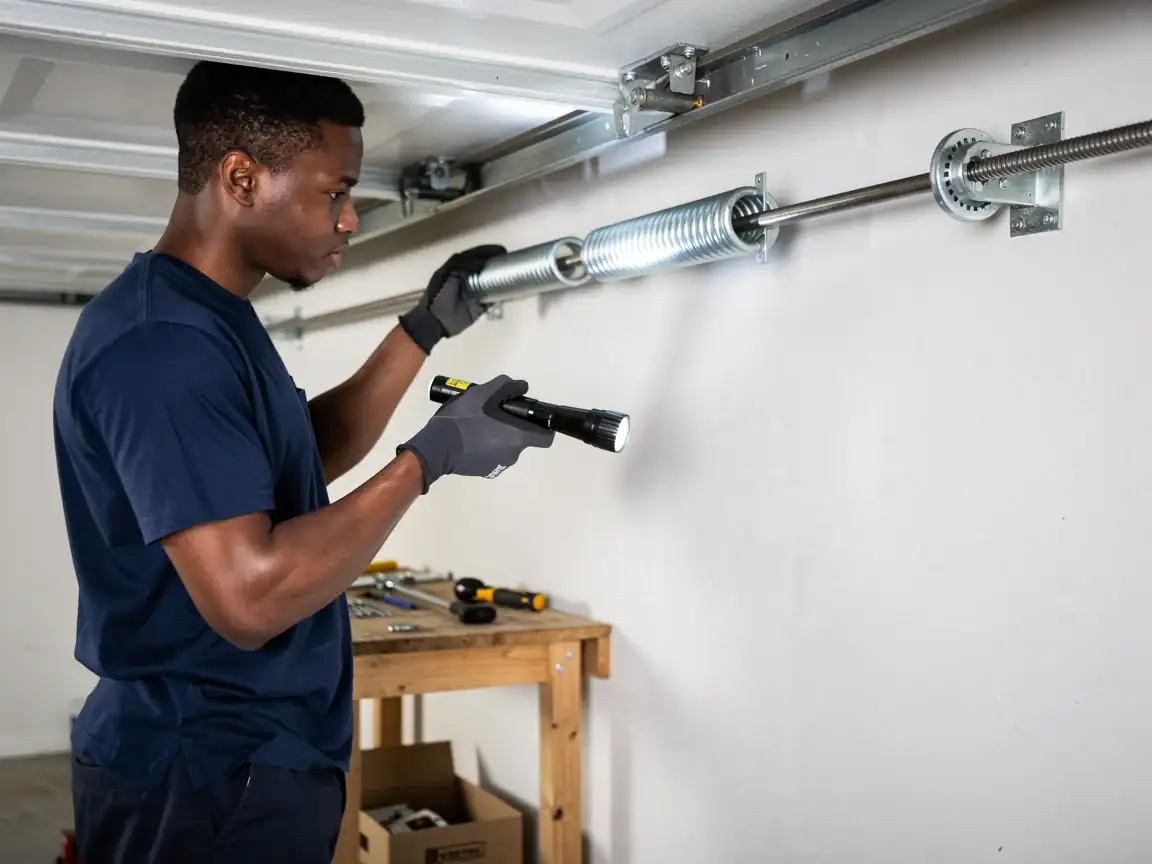
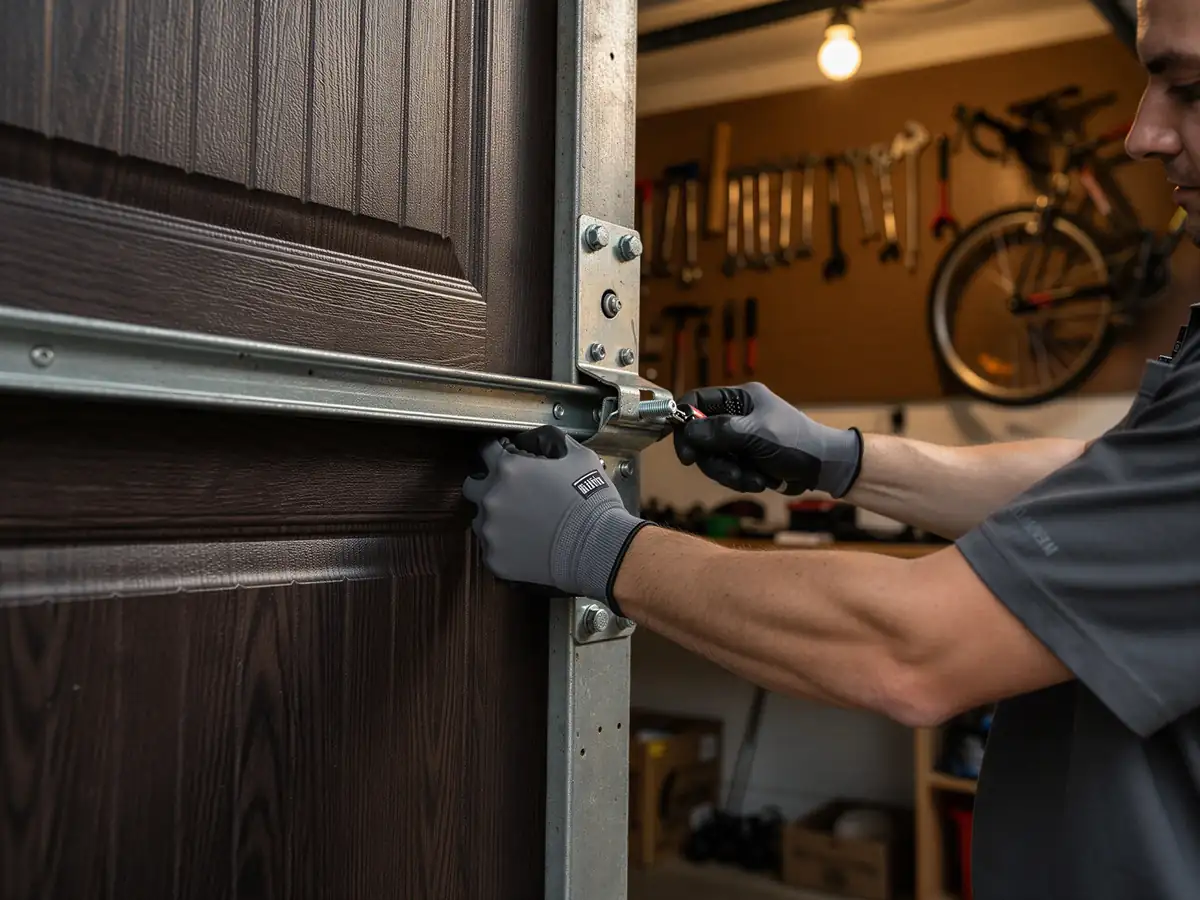
A door off track under spring tension can let go without warning, so we don't just shove it back into the rail. We release tension, pull the roller or rollers back into the track, check the track for bends or rust-through, and check every bracket along the run for the kind of looseness that's common on hardware this old.
If the track itself is bent, we replace that section rather than try to hammer it straight
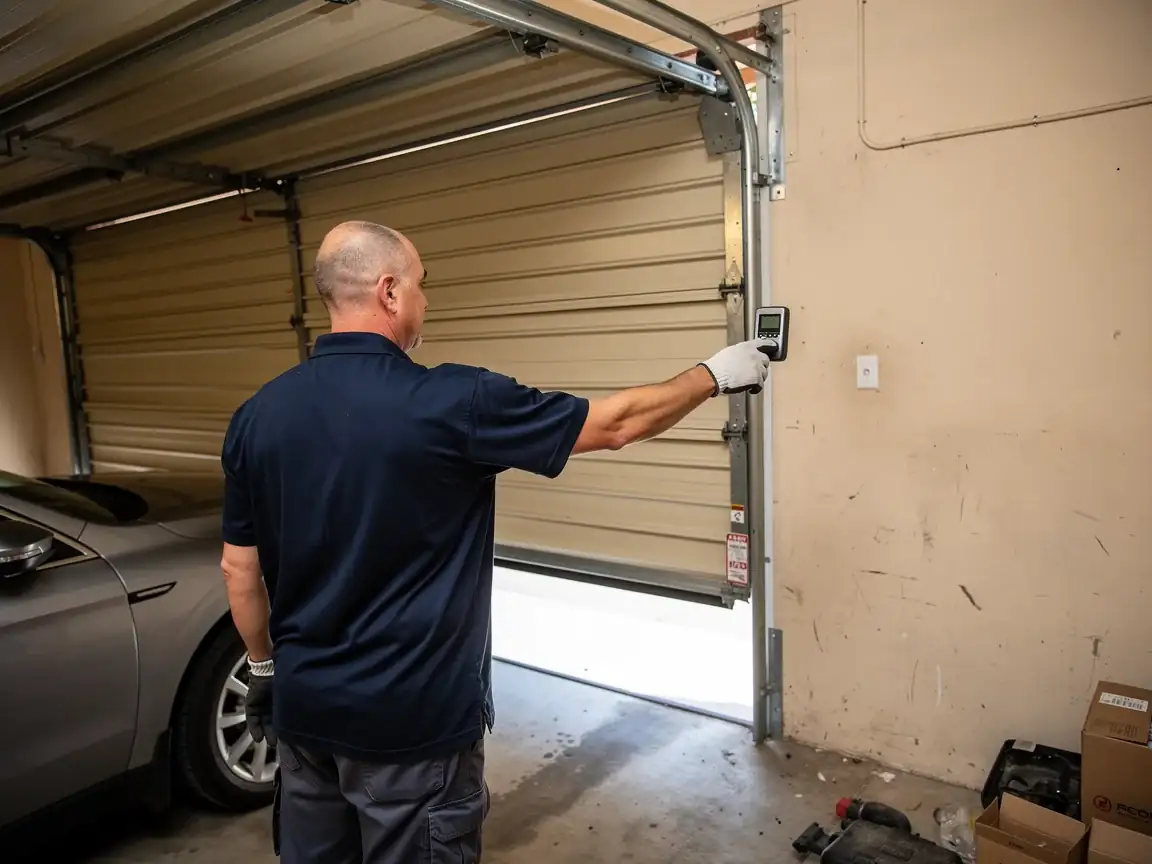
A straightened rail looks fine but rarely holds true for long. We also check the cables and the spring while we're in there, since on a door from this era that's come off track once, those are usually carrying more wear than the owner realizes. Once it's back on track, we run it through a full cycle open and closed to make sure it travels straight before we call the job done.