Why It Happens Here
Most of the houses across this service area went up between 1966 and 1977
With the median build year landing around 1971. That's a specific decade of garage door, and it shows up as single-layer steel panels bolted into tracks that nobody stocks new hardware for anymore. Two named pockets of that stock - areas like - still carry a lot of the original builds, same panel gauge, same seam design, same age.
Layer the climate on top of that
Norfolk sits in a cold-moderate band, which means real freeze-thaw cycling every winter rather than one hard freeze and done. Water gets into a seam in a steel panel, freezes, expands the gap a little, thaws, and does it again next week. Over forty-plus years that's thousands of cycles working the same weak point. It's not that Norfolk doors are poorly made - it's that the doors going up in that era weren't built for fifty winters of that kind of cycling, and most of them are well past fifty years old now. That's the mechanism, not bad luck.
What You Are Seeing
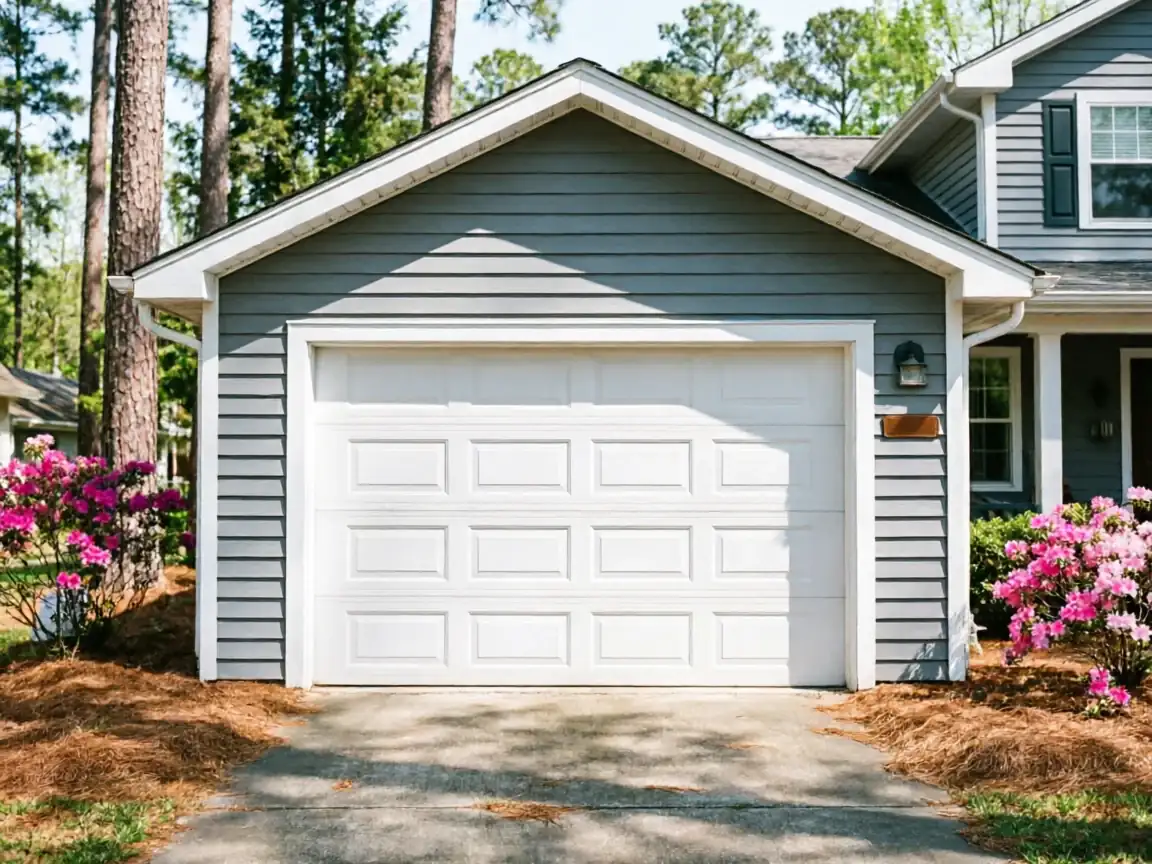
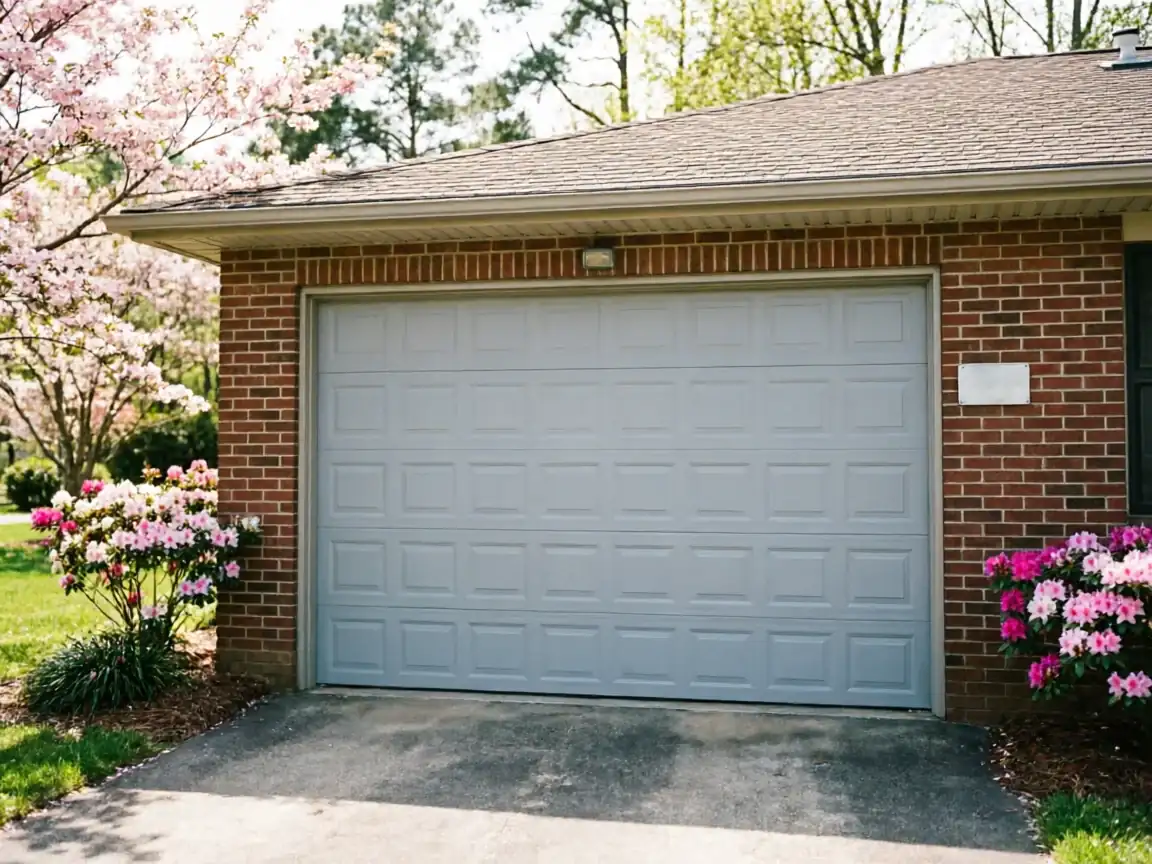
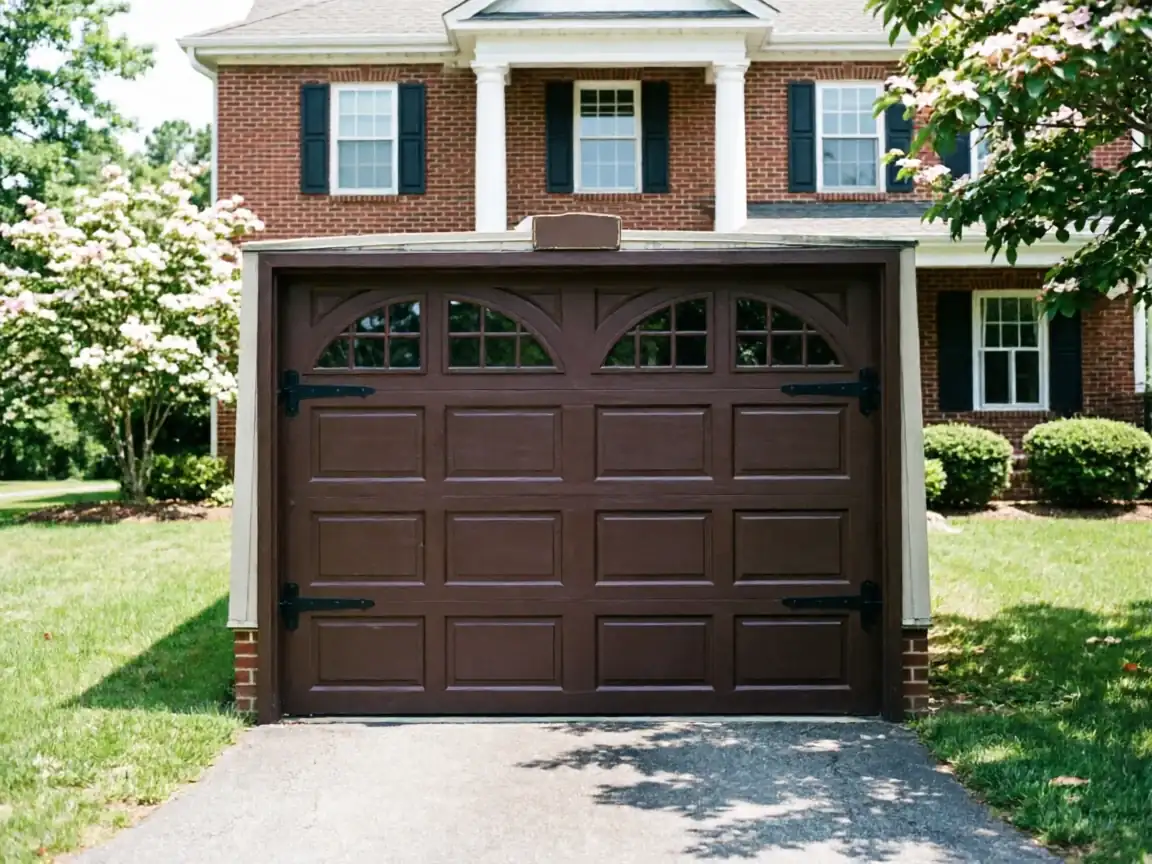
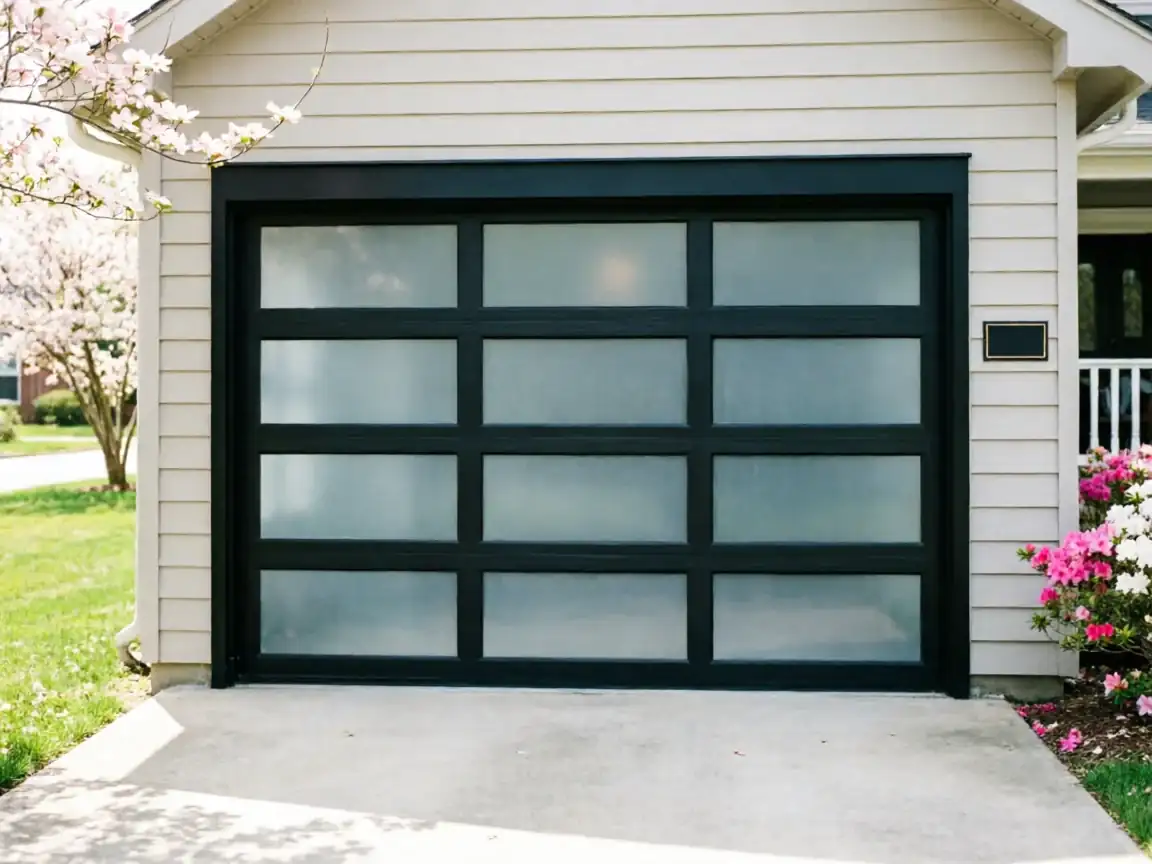
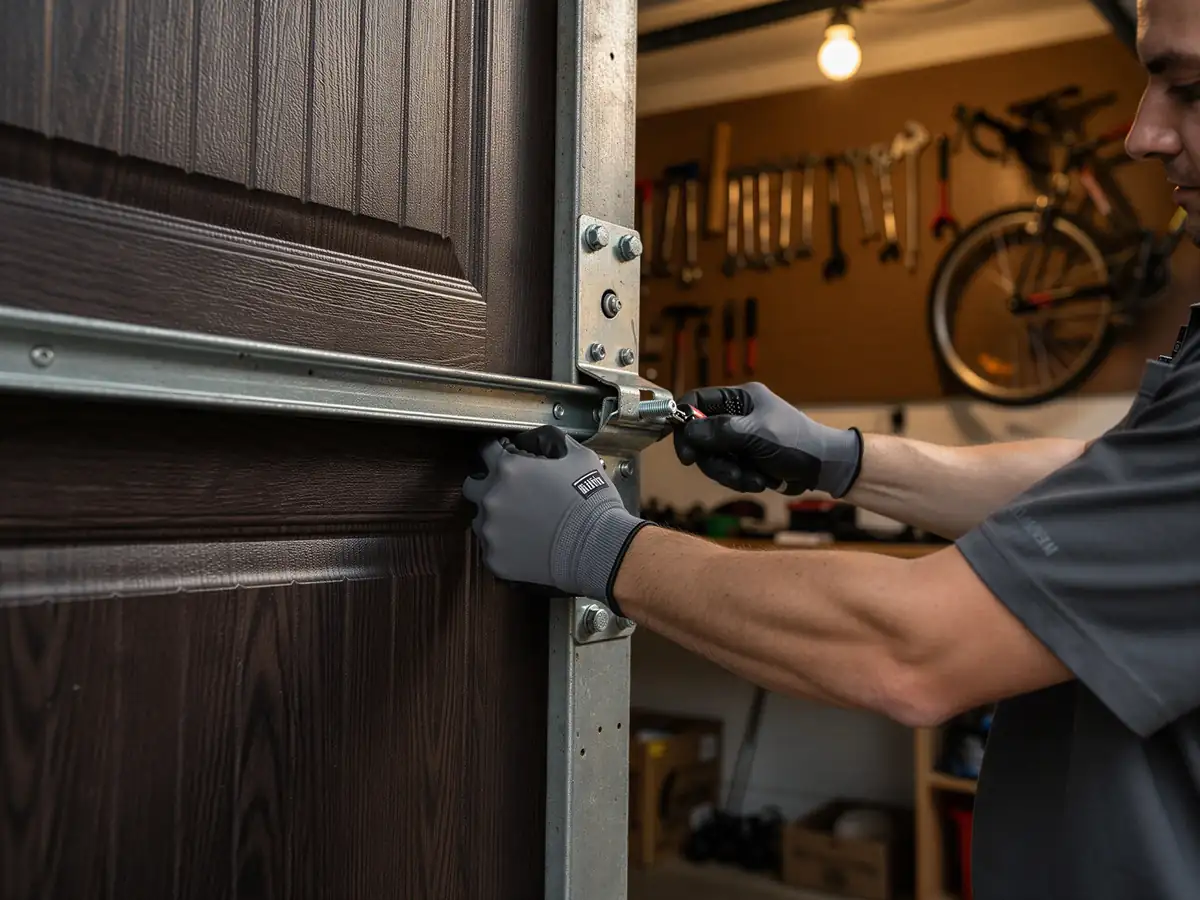
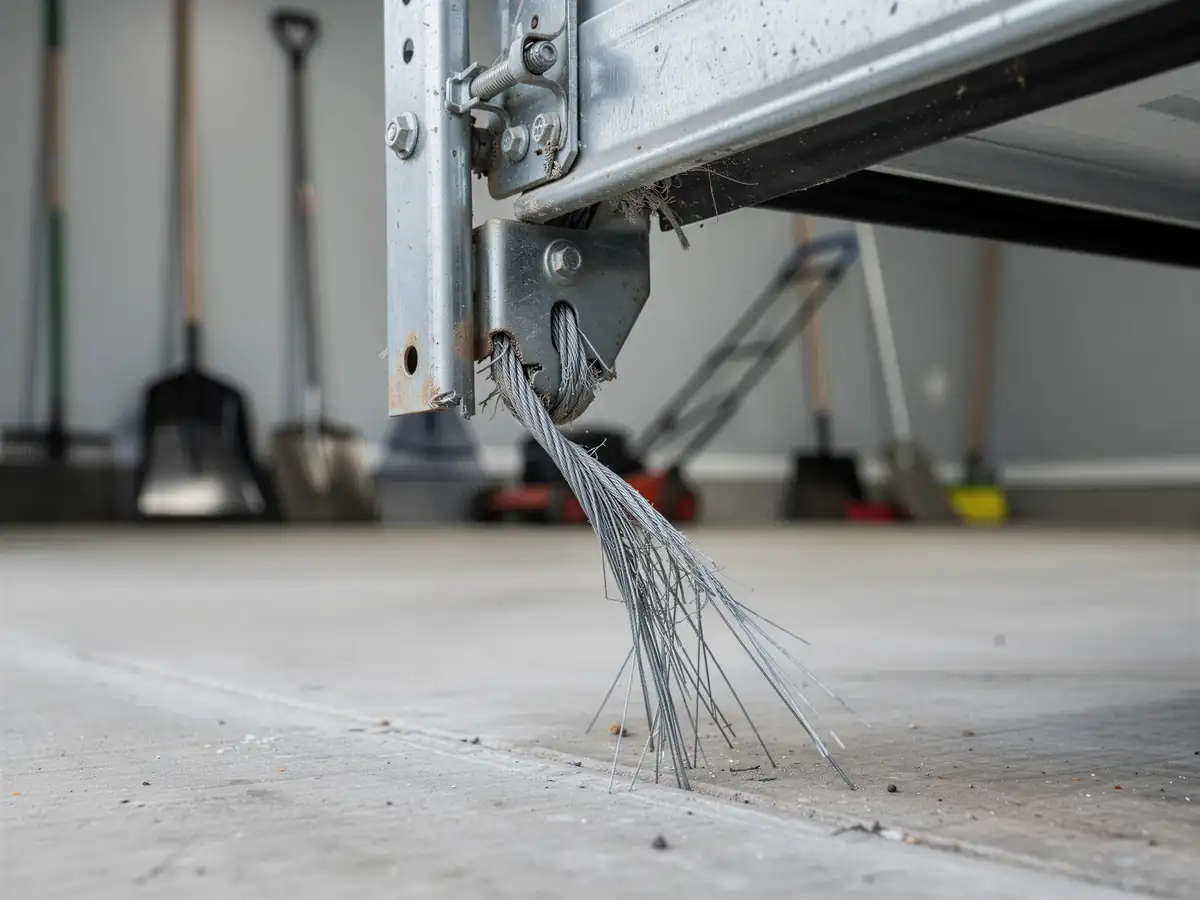
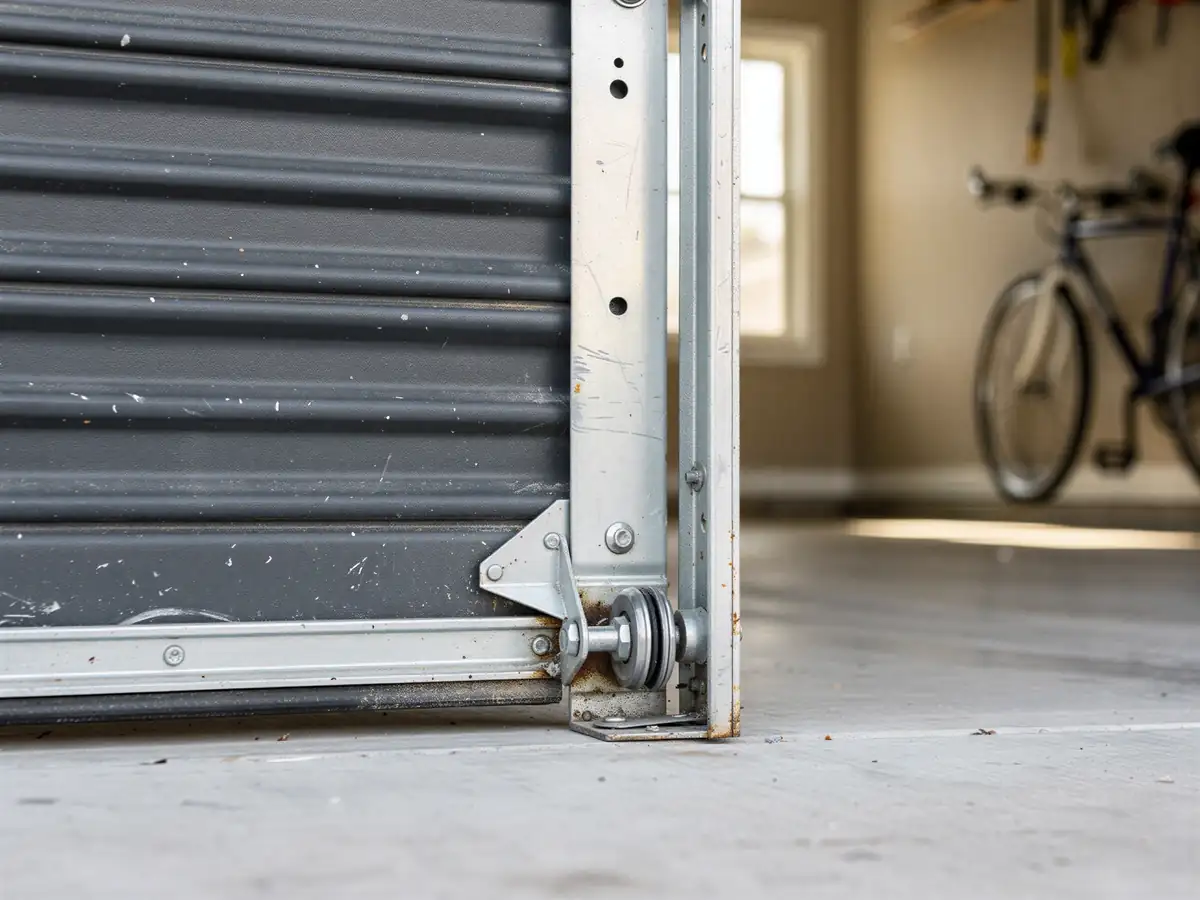
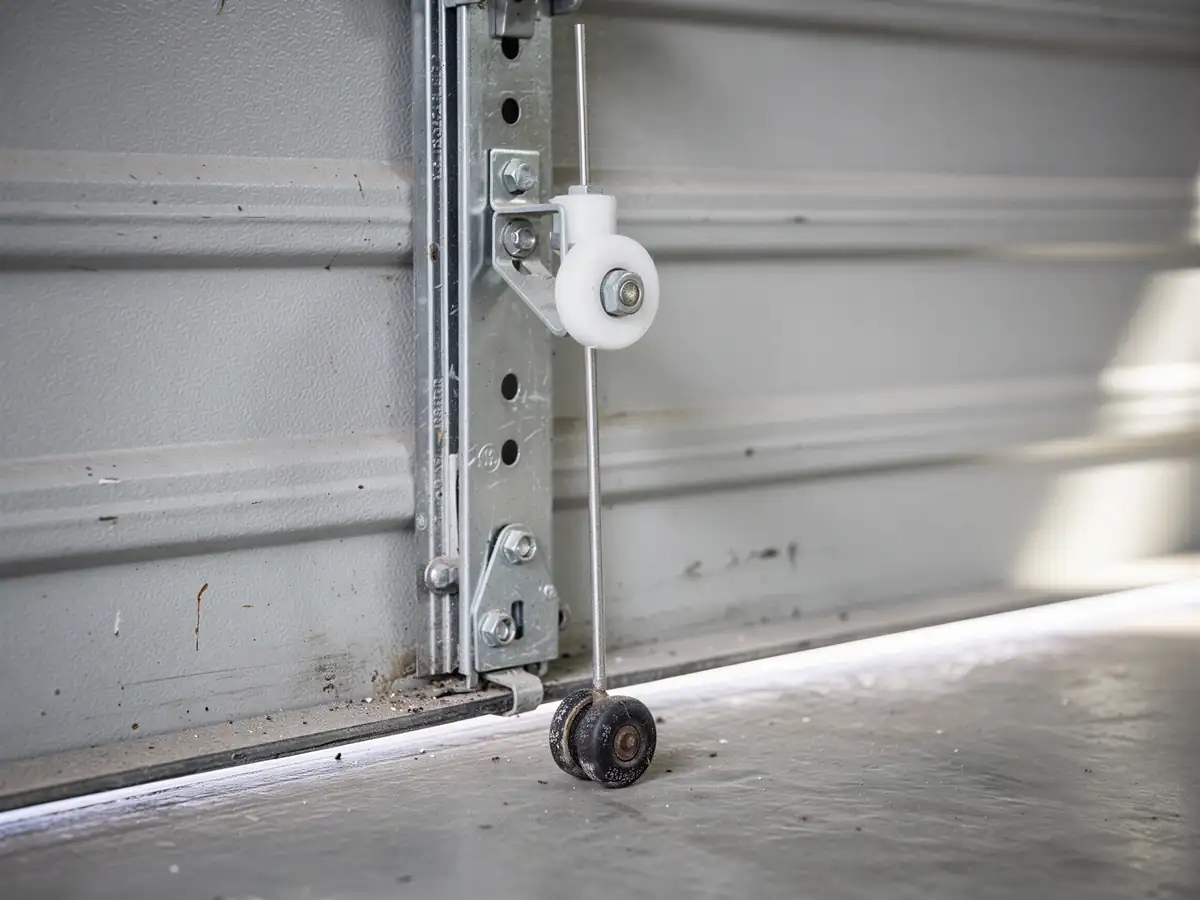
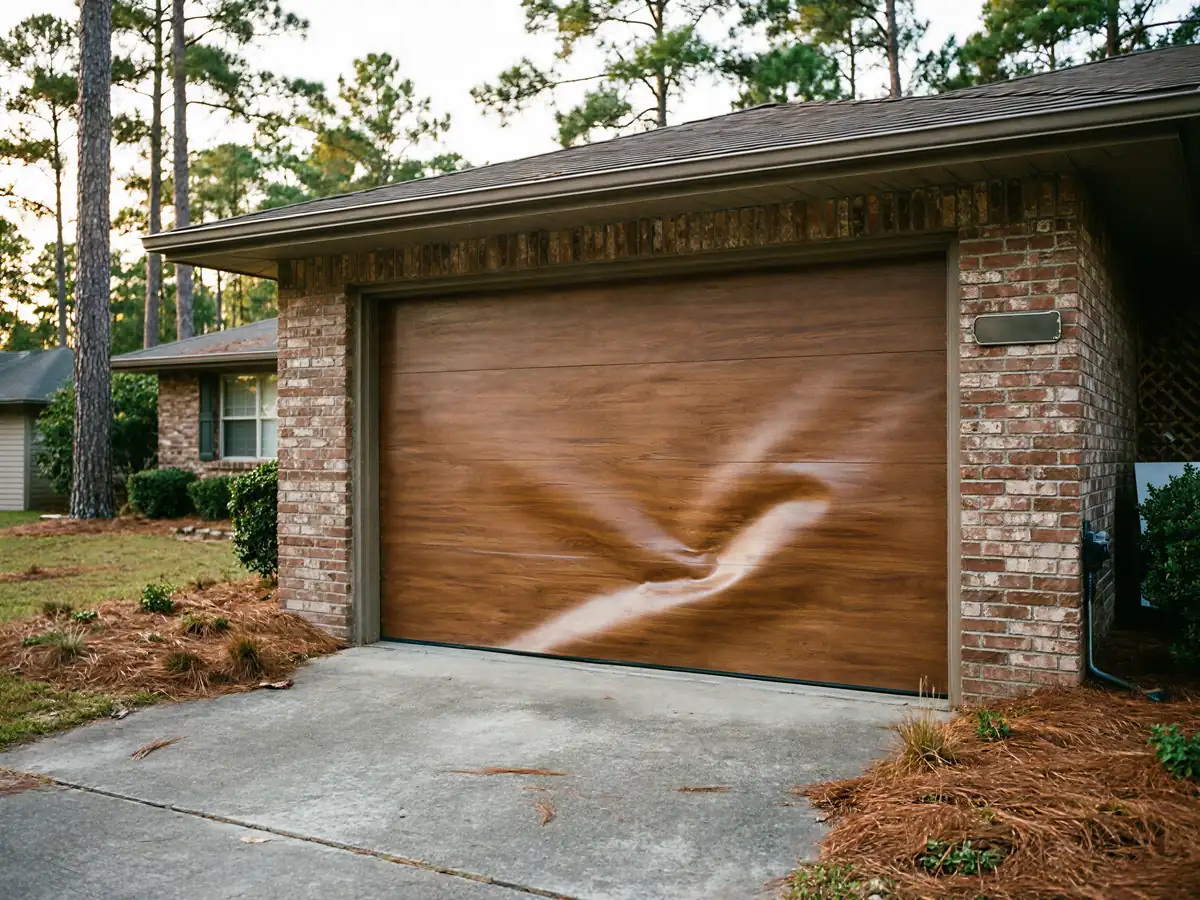
The calls we get on this are consistent. Bottom panel rusted through along the bottom seam, usually worse on the side that catches runoff. A dent from a car bumper or a trash can that's folded the steel enough that the panel binds against the track instead of riding it clean. Delamination on the wood-grain embossed steel doors common from that build era, where the outer skin has started to separate from the insulation backing and the panel flexes when it shouldn't.
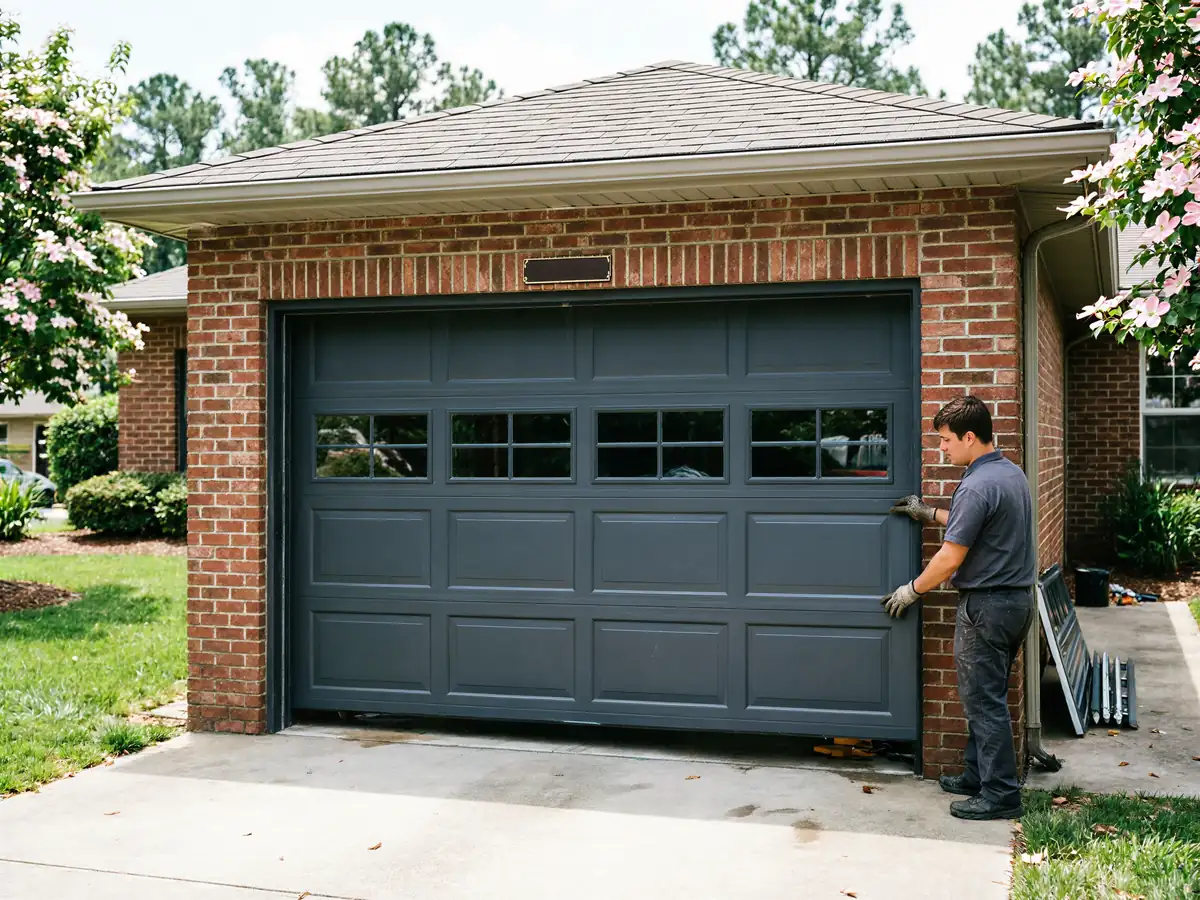
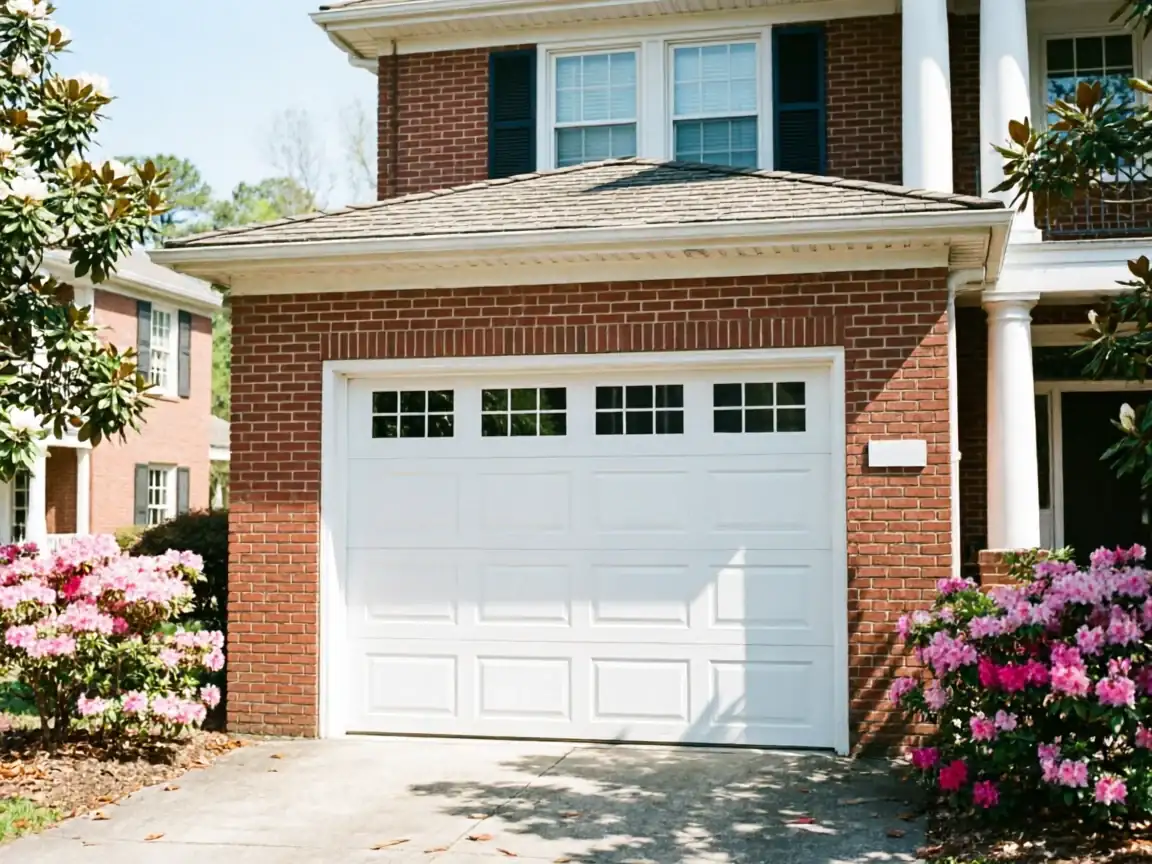
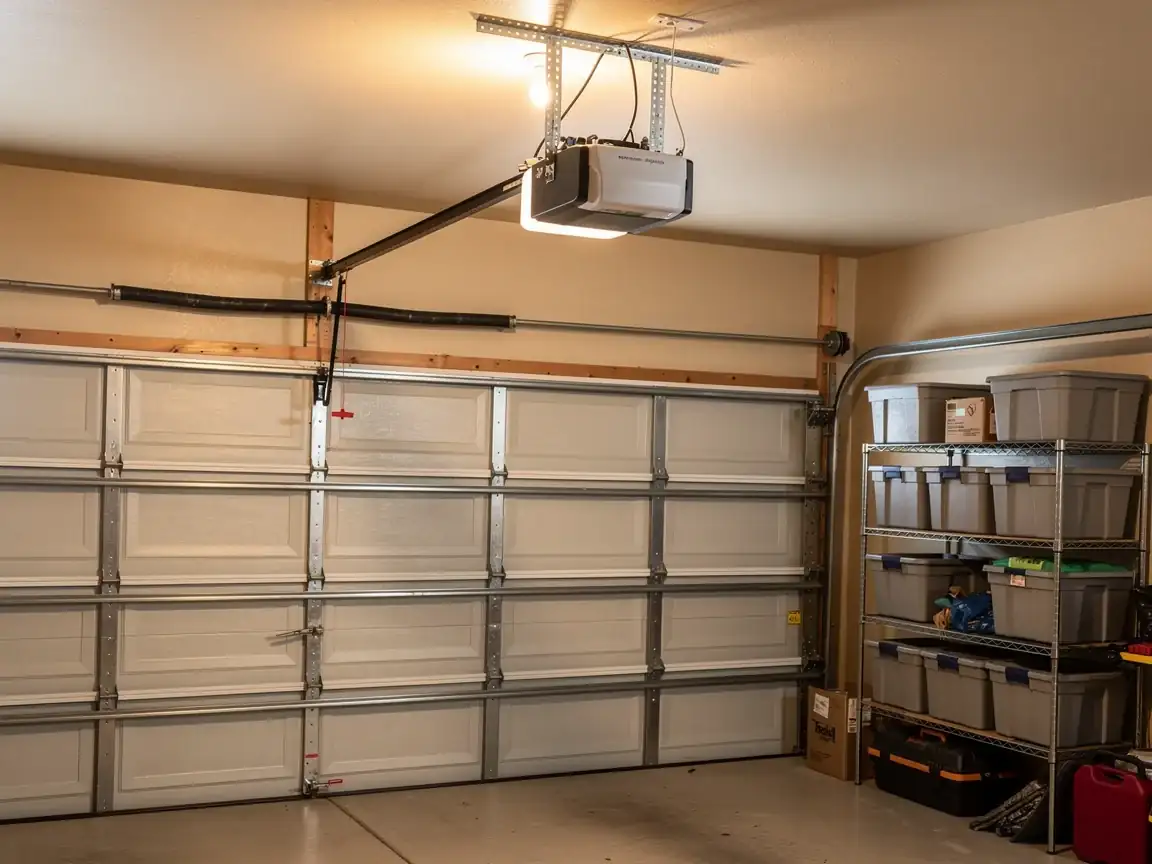
Sometimes it's just one panel in a multi-panel door - a double garage door typically runs four to five horizontal panels - and only the bottom one or two have taken the damage. Other times the whole face has gone soft and wavy from age, not one impact. Those are different jobs. One is a swap. The other usually means the whole door is close to its working life anyway, and patching one panel on it is money spent on a door that's going to need full replacement in a year or two regardless.
How Long You Are Without the Door
Here's the honest part. If your door is a common width and a current manufacturer's profile, we can often match a replacement panel and have the door back in service the same visit. If your door is one of the older single-layer steel doors from that 1966-1977 building wave, the exact panel profile is frequently discontinued. We have to source a close match, and close match on an embossed steel panel from fifty years ago is not guaranteed to be invisible next to the panels around it.
That's the trade-off we lay out before we start: wait on a special-order panel that may or may not match perfectly, or move straight to full door replacement with new panels that all match each other. We won't tell you a panel is in stock when it isn't, and we won't quote same-day on a part we have to order. Across the roughly 18,776 owner-occupied houses in this service area, that discontinued-panel problem comes up often enough that it's not an edge case - it's close to half our panel calls.
How We Fix It
We start by pulling the model plate or measuring the panel profile directly
Since on doors this old the plate is often gone or unreadable. If we can match it, we replace the damaged panel section only, re-hang it in the existing track, and balance the door against the spring tension it already has. If the gauge or profile has changed over the decades - which happens more than people expect on doors built around 1971 - we'll say so and quote both options: single panel with a visible seam, or full panel set for a clean match.
We don't push full replacement when a single panel swap will hold
With median household income in this service area sitting around $89,945, a lot of households can absorb either option, but we'd rather quote the smaller job first and let you decide if it's worth doing twice. What we won't do is sell a panel-only fix on a door whose other panels are also failing - that's a callback waiting to happen, and we'd rather lose that upsell than have you back out here in six months.