How Local Conditions Play In
Most of the garages we open up around here were wired when the house was built
Somewhere between 1966 and 1977. That's not a guess - it's the median build year across this service area, and it matters because that generation of garage circuits often ran a single outlet off a shared breaker, with no dedicated line for an opener. Add a battery backup unit, a keypad, and maybe a second remote receiver, and you're asking 1970s wiring to carry a load it was never sized for.
Norfolk sits in a moderate cold band, not a harsh one
But moderate still means real cold snaps a few times a winter. Cold doesn't usually kill an opener motor outright. What it does is slow the gear-reduction unit, thicken old grease on the rail, and drain a battery backup faster than the sticker on the box claims. If your opener was already working hard against original wiring, a cold morning is often when the weak link shows itself - not because the cold caused the fault, but because it took the slack out of a system that had none left.
None of this is dramatic
It's just what happens when 1970s infrastructure meets daily use for fifty years.
What Is Going On
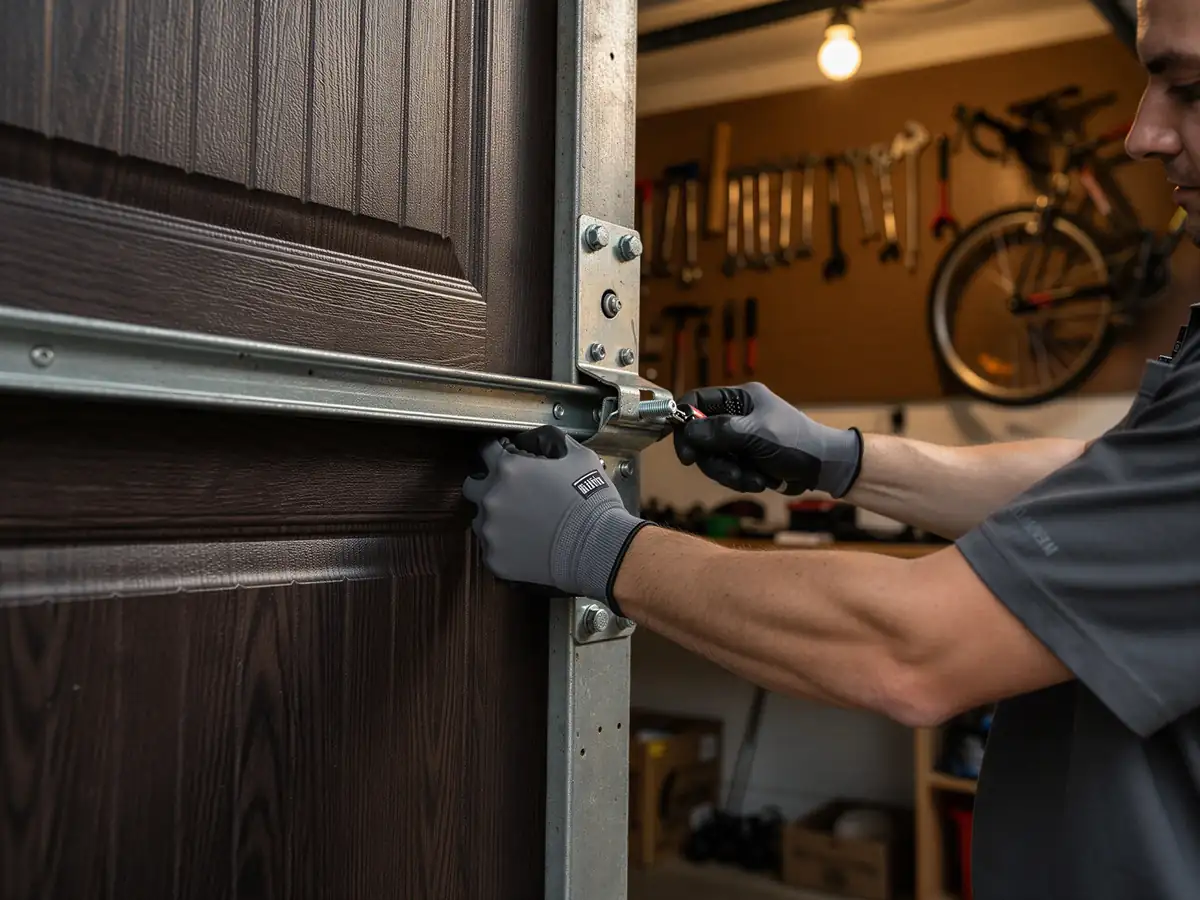
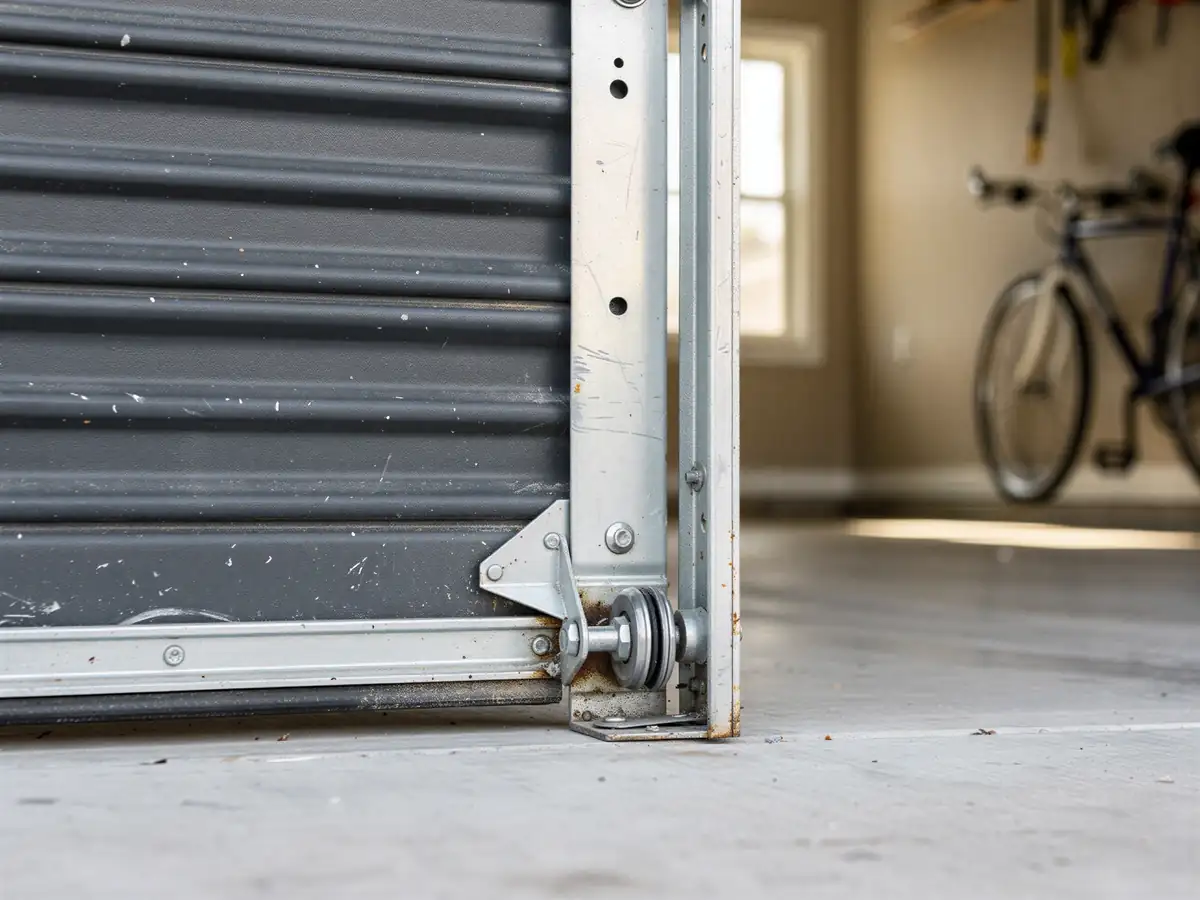
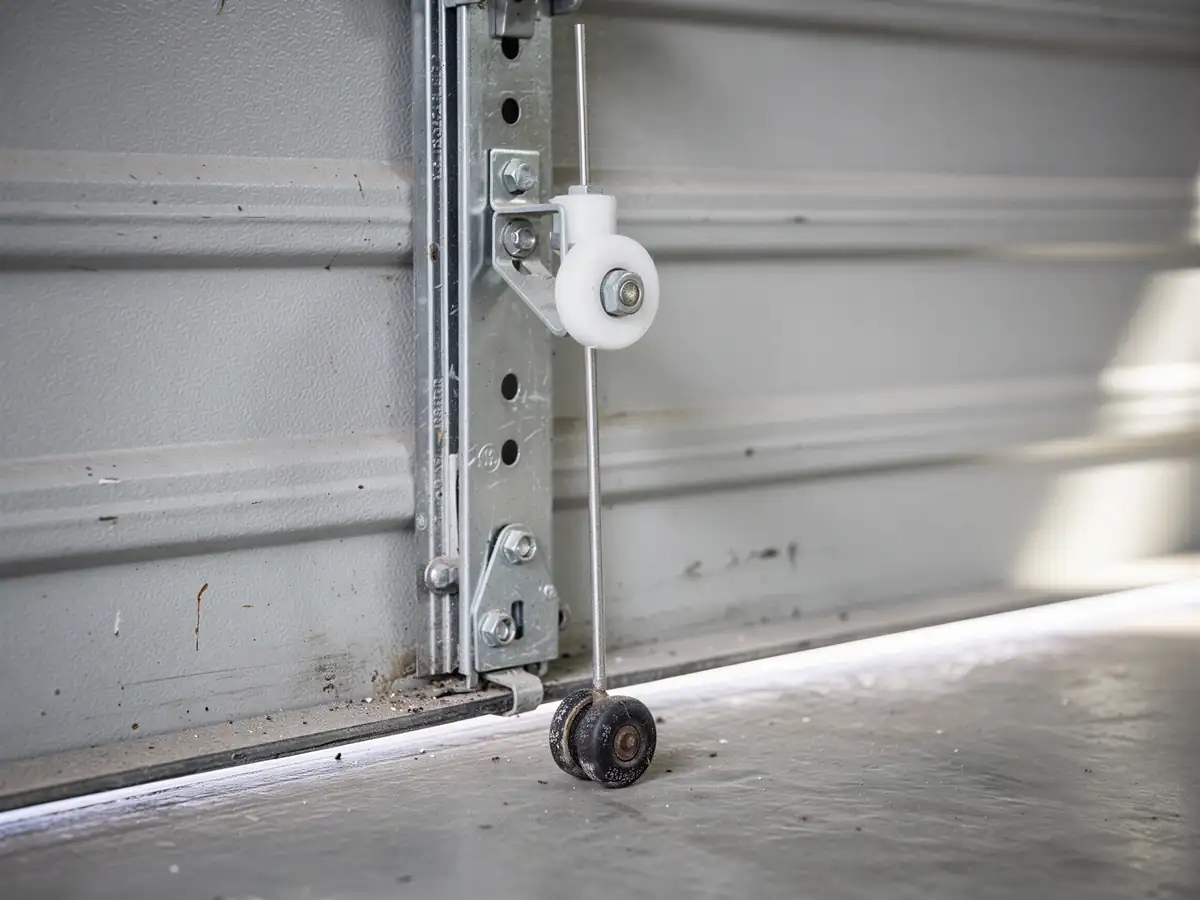
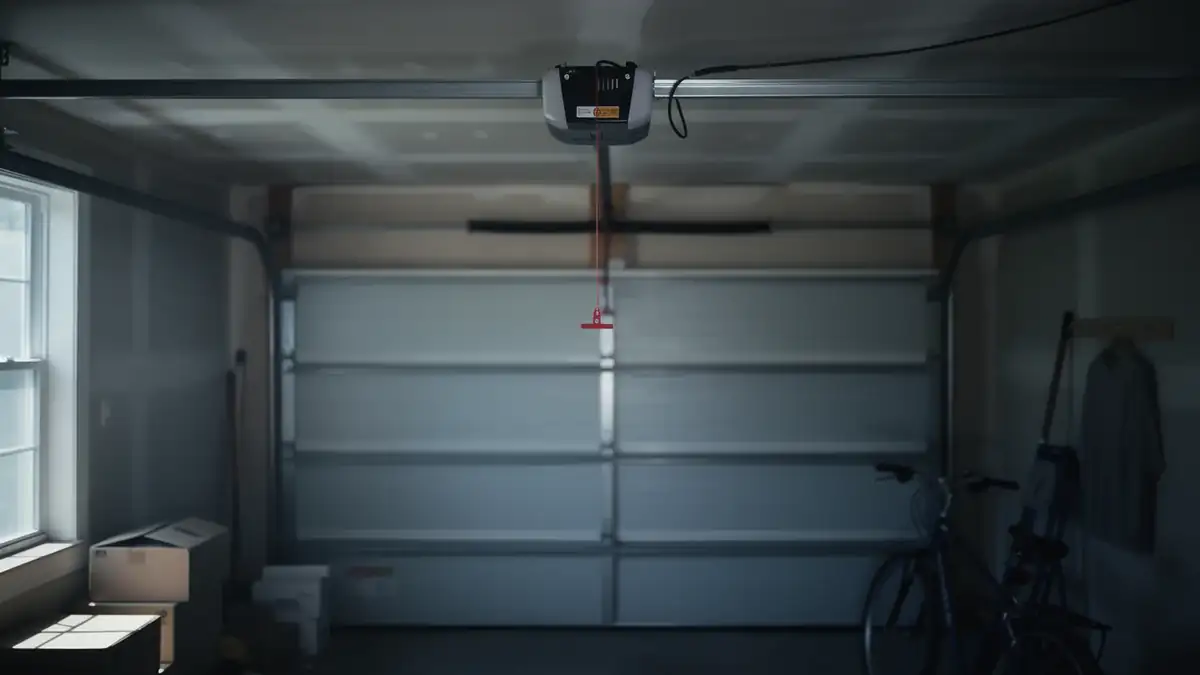
When the power actually cuts - breaker trip, utility outage, whatever the cause - a garage door opener should fail safe: the door stays wherever it was when it lost power, and you pull the manual release cord to operate it by hand. That's the design. What we actually find in a lot of these 1966-1977 houses is a manual release that's been painted over, a release cord that was cut short during a remodel, or a door heavy enough that one person can't lift it once it's disengaged from the opener.
Battery backup units help with short outages, but they're not designed to run an opener for days, and in a house this age the backup is often tied into the same undersized circuit as everything else - so it's charging poorly even when the power is on. Across the 44,335 households in this service area, roughly 18,776 are owner-occupied houses with a garage, and a meaningful share of those are running an opener installed decades after the house but still wired into the original 1970s circuit.
We don't do panel upgrades or new circuit runs - that's an electrician's job, not ours. What we do is tell you honestly when the opener problem is actually a wiring problem, so you're not paying us to replace a motor that was never the issue.
Season by Season
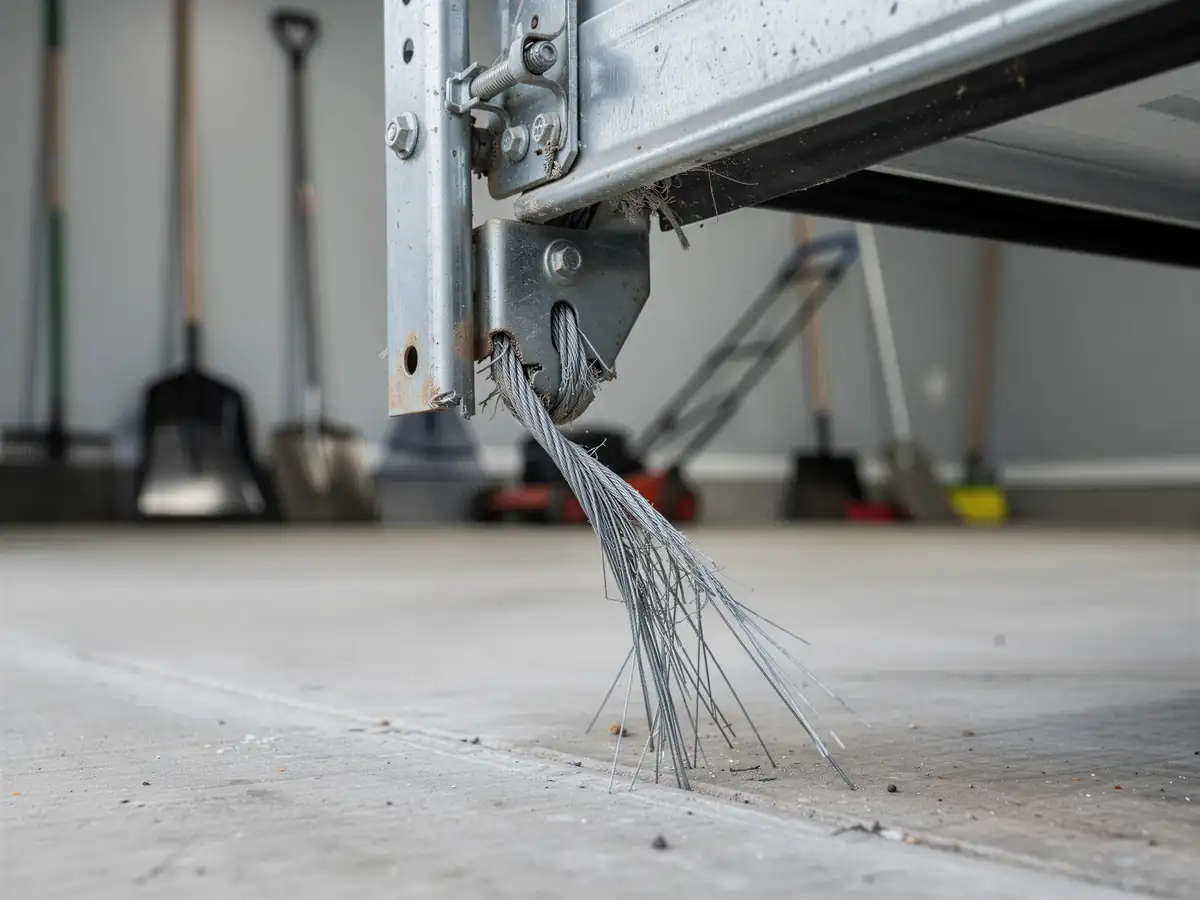
Winter is when cold-stiffened grease and a tired battery backup show up together, usually on the first hard freeze of the season. That's also when a weak torsion spring on a double door, fighting against a slow motor, finally gives out - the two problems compound.
Spring and early summer bring humidity swings that are harder on circuit boards than on motors. Condensation inside an opener's logic board housing, especially on units installed in detached garages without much airflow, can cause intermittent faults that look like a dead opener but aren't - the board is corroding at the contacts, not failing outright.
Late summer is steady for openers here; it's the season we get called out least for this specific issue. Storm season brings the power cuts themselves - short outages that test whether your manual release still works and your battery backup still holds a charge. If you haven't pulled that release cord in a year, that's the week to check it, not the week the power actually goes.
The Common Mistake
The mistake we see most in houses from this 1966-1977 build era is treating the opener and the wiring as one problem
An owner replaces the opener, the new unit works fine for a few months, then starts cutting out again - because the fault was never the motor. It was a breaker shared with three other circuits, or a connection in a junction box that's been loose since before the house had a second owner.
The honest version of this
If your opener keeps failing after a swap, we'll tell you to call an electrician before we sell you a second motor. We'd rather lose that job than have you pay twice.
The other common mistake is skipping the manual release check because "the power never goes out." Across the two areas closest in and sharing this same 1960s-70s housing stock, we've opened up more than a few garages where the release cord was structurally fine but nobody in the house knew it existed
That's a five-minute fix with zero cost, and it's the difference between a stuck door and a five-second workaround.