How Local Conditions Play In
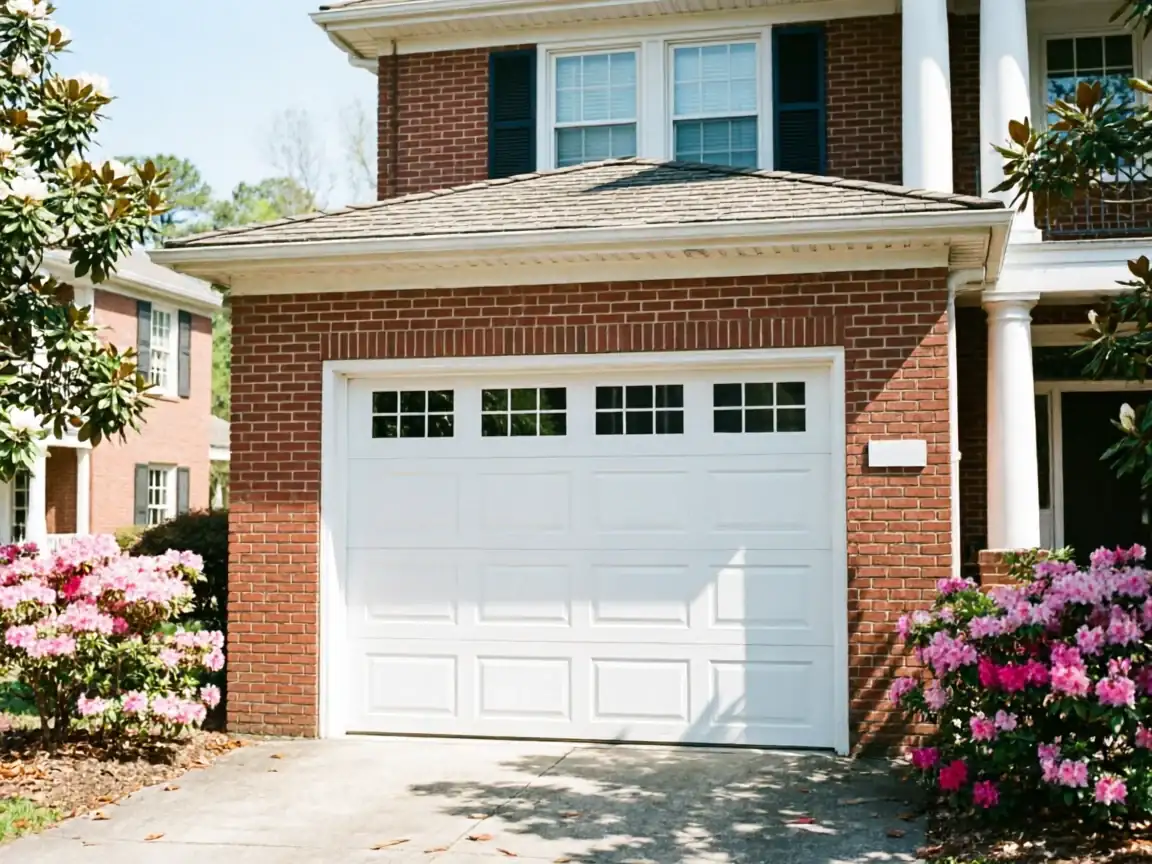
Most of the houses we get called to were built between 1966 and 1977
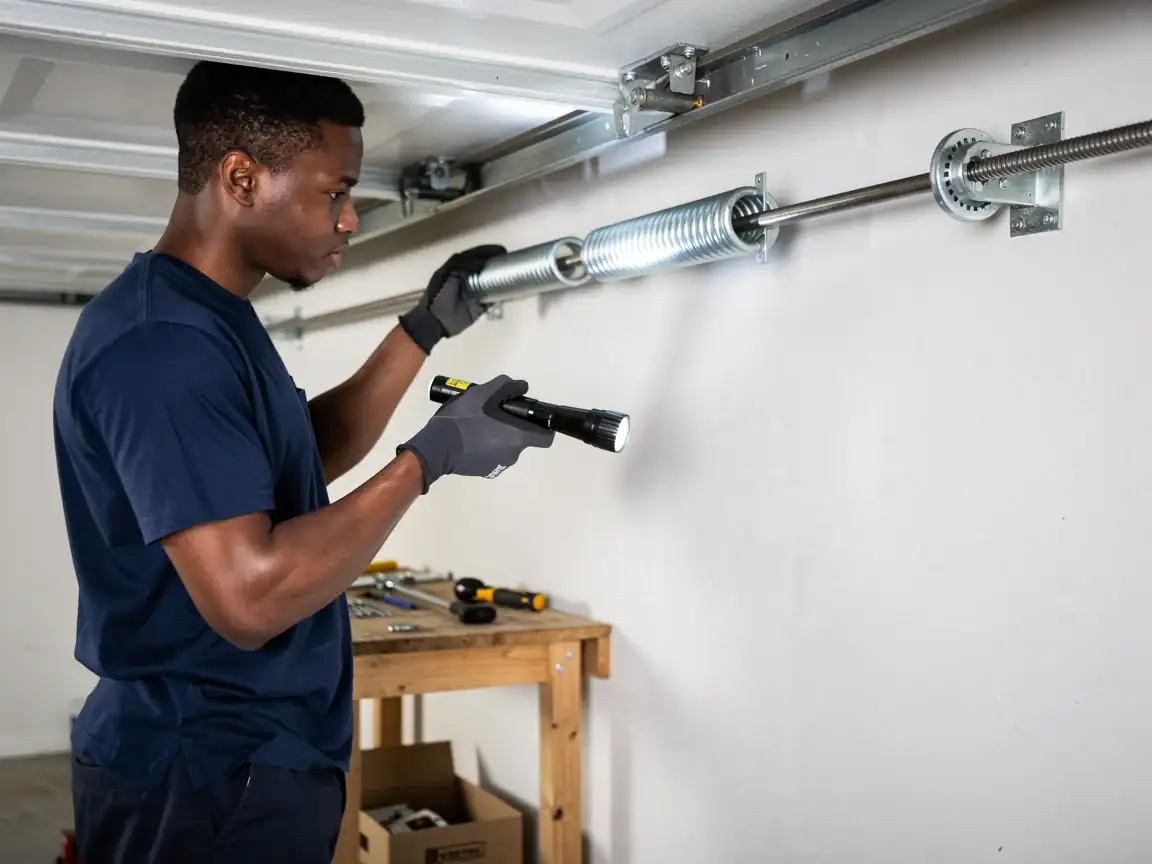
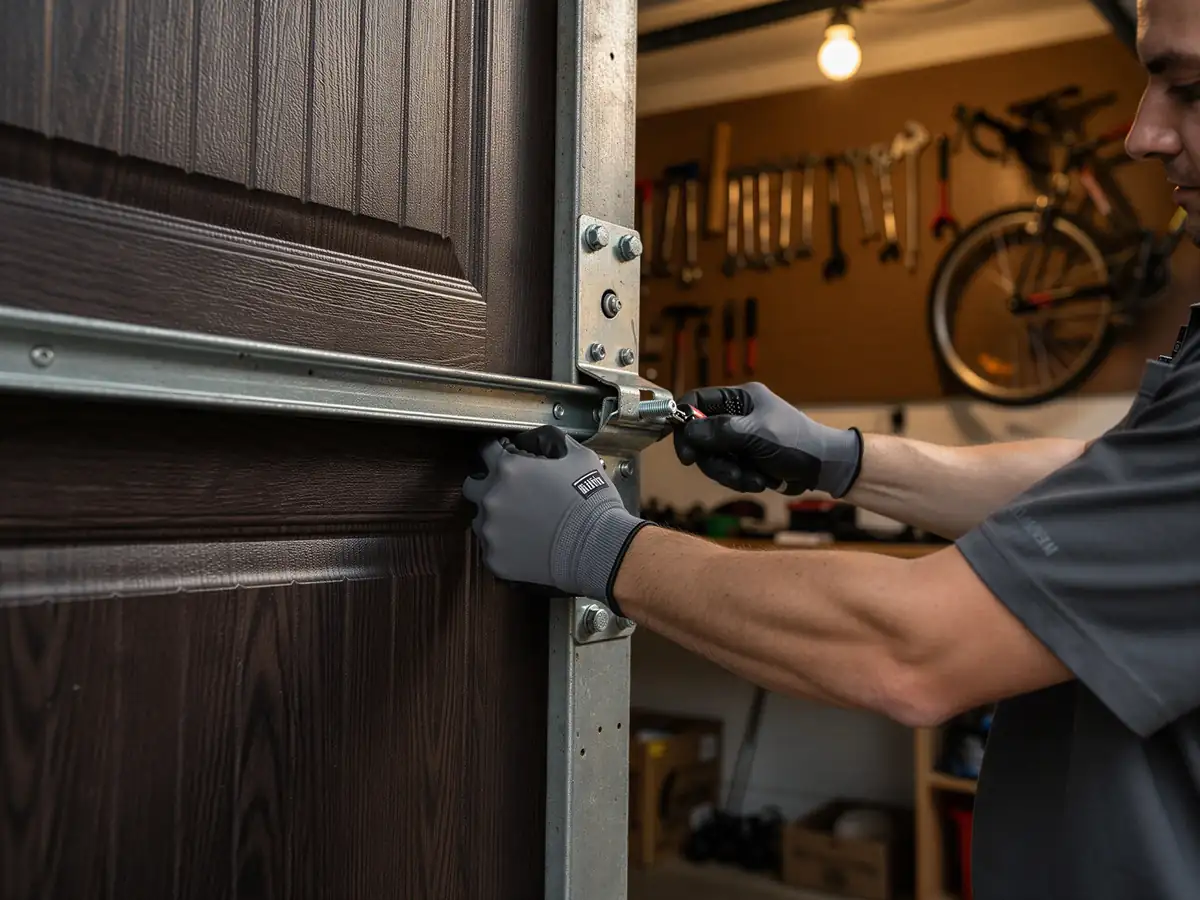
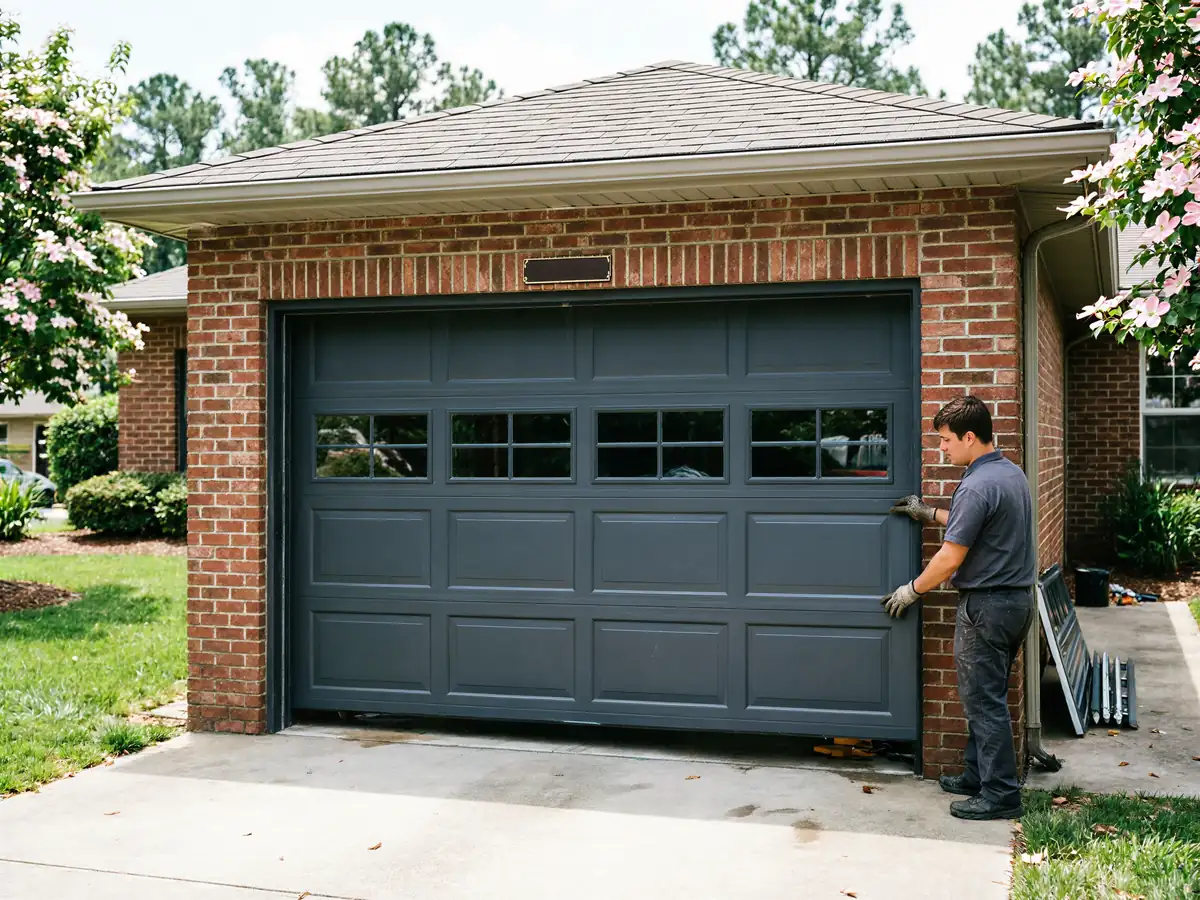
With 1971 sitting right in the middle of that run. That matters more than people think. A door from that era is almost always a single-layer steel panel on an extension or early torsion spring setup, hung on track that was galvanized once and hasn't seen a coat of anything since. Across the two older neighborhoods that make up most of this stock, we see the same three failure points over and over: hinges worn oval from decades of cycles, track brackets pulling loose from softened jamb wood, and springs that were never rated for the door's actual weight once a layer of trim or a new opener got added later.
Our climate band here runs cold-moderate, not the hard freeze-thaw you'd get further inland or further north
But enough seasonal temperature swing to work metal fatigue into springs and fasteners faster than a mild, steady climate would. On a door already near 50 years old, that's often the difference between a repair that holds and one that buys you six months. We look at the door in front of us, not just its age, before we tell you which side of that line it's on.
- 50 years
What Is Going On
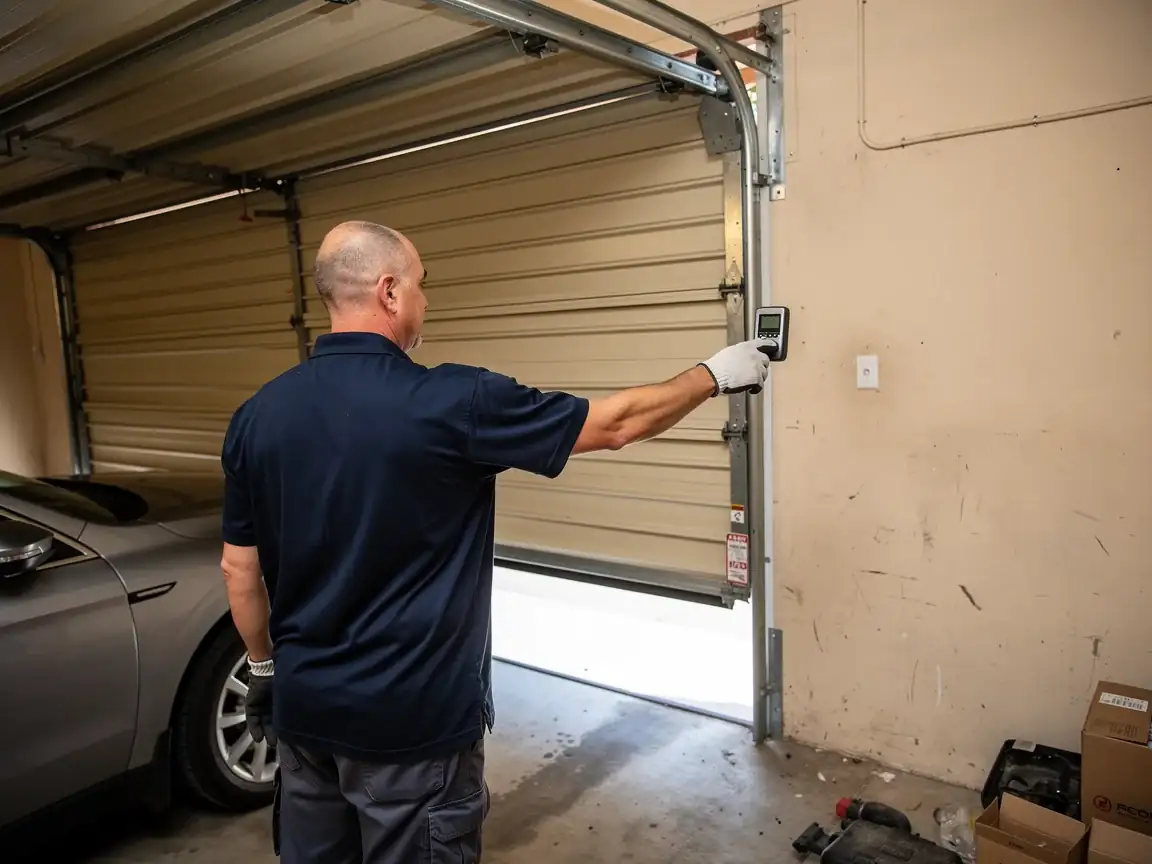
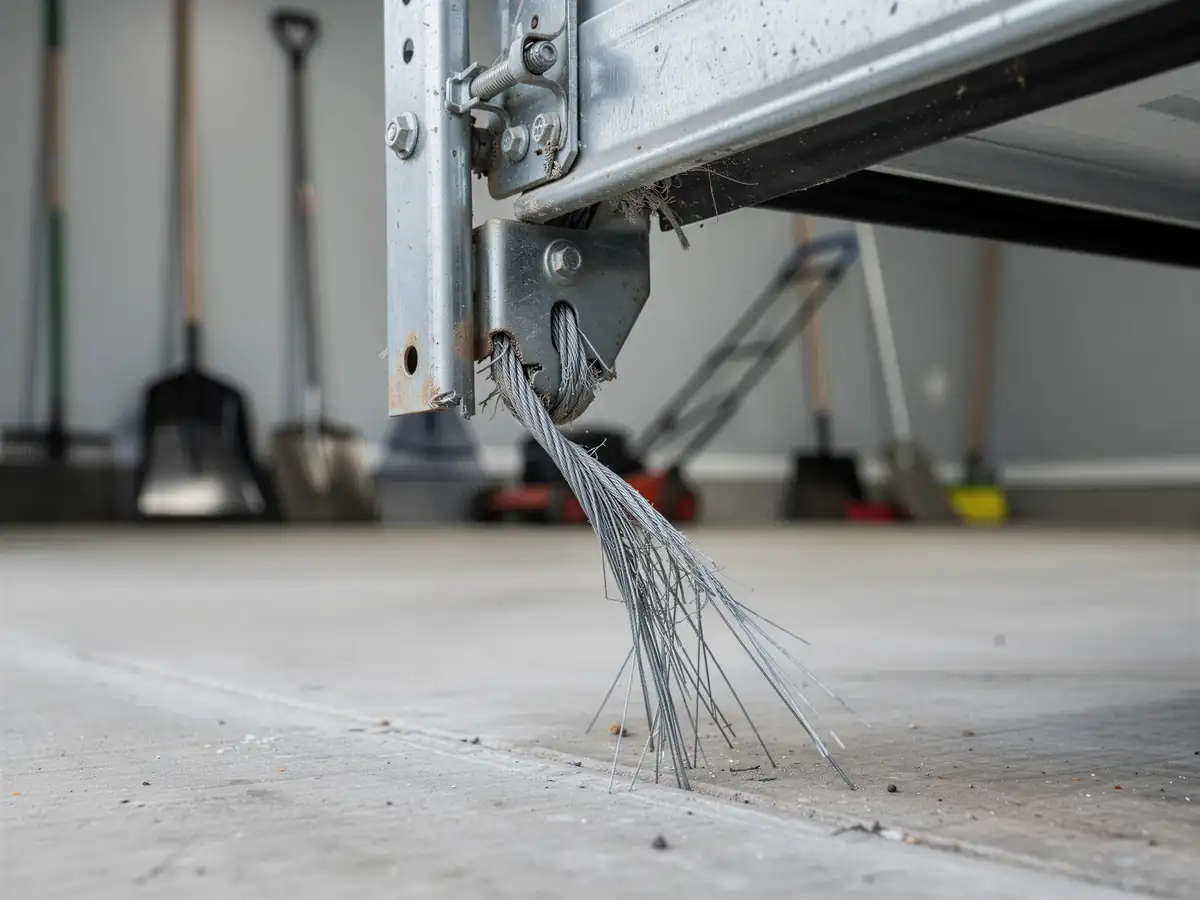
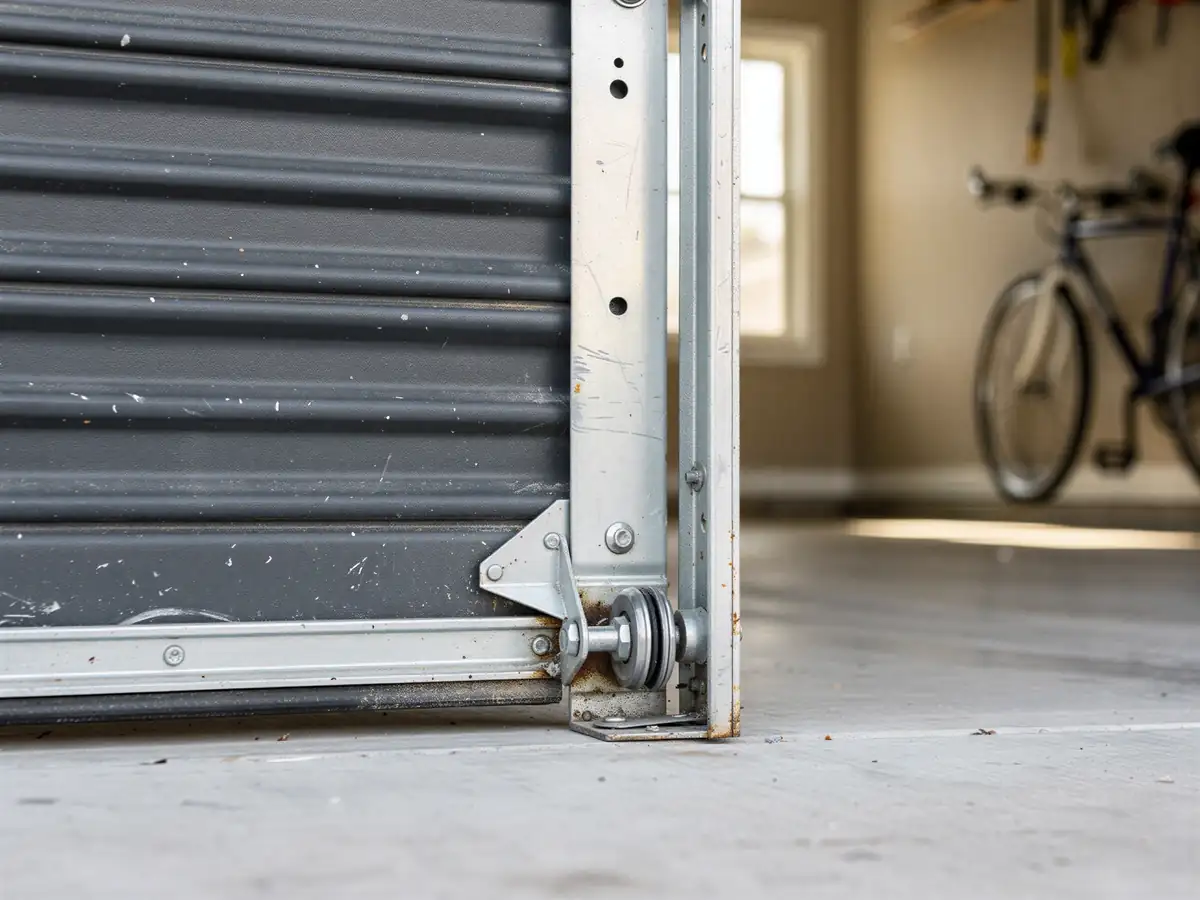
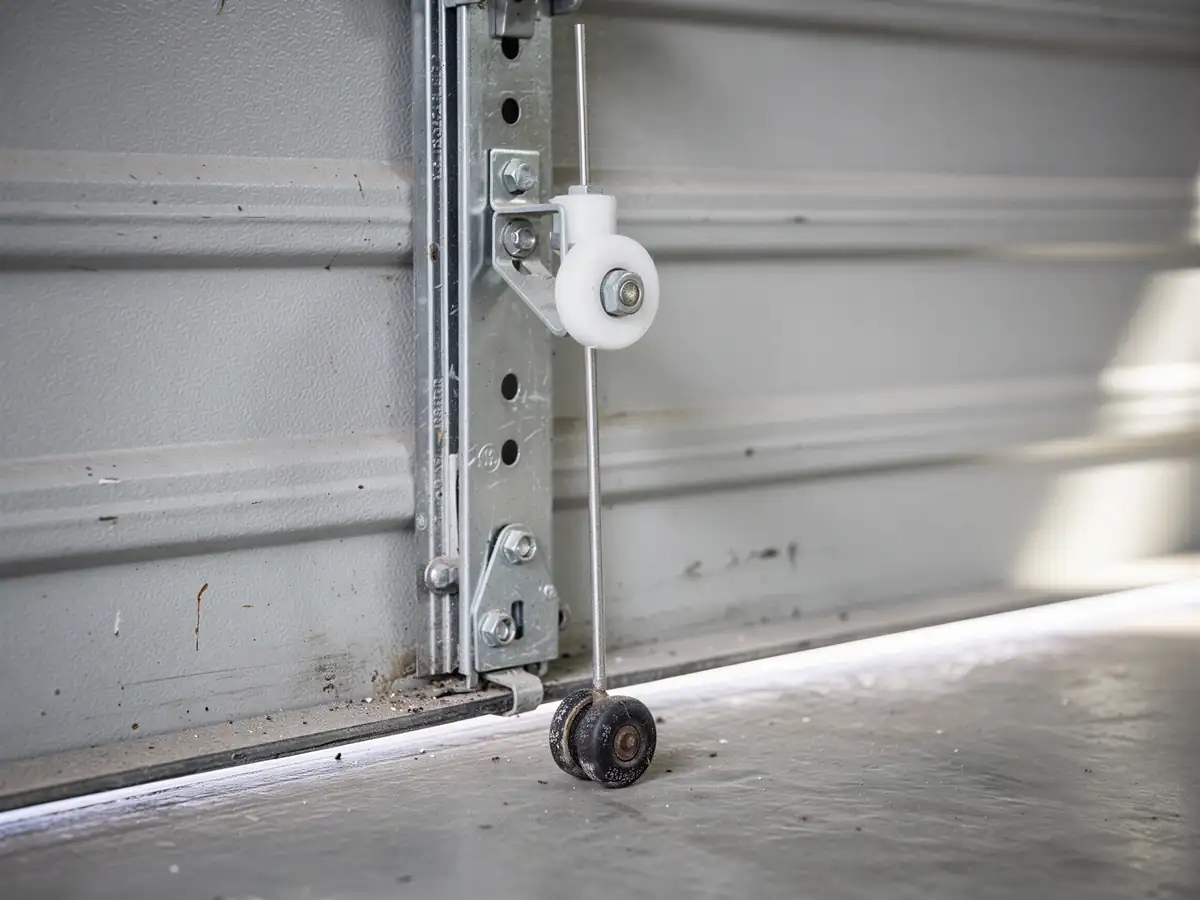
When a door from the 1966-1977 build era starts acting up, the cable or spring is usually the visible symptom, not the actual problem. The track alignment on houses from this period was set to a slab and frame that has since settled a half-inch or more, which puts side load on rollers that were never designed for it. That shows up as grinding, a door that binds a third of the way down, or a cable that jumps the drum.
The panels themselves are often still structurally fine. Steel from that period, even without insulation, holds up better than people expect if it hasn't been dented or rusted through at the bottom seam. What fails first is almost always hardware: springs, rollers, the opener's drive mechanism if one was retrofitted later. So the honest answer for most of these doors is that the skin is sound but the moving parts are at or past their service life, which is a repair job, not a replacement job, unless the bottom section has gone soft from standing water or the track brackets have torn out of rotted jamb.
Season by Season
In a cold-moderate band like ours, the stress on an older door isn't one big freeze, it's the repeated swing between warm afternoons and cold nights that works metal fatigue into a spring a little more every cycle. Spring and fall, when the daily swing is widest, are when we get the most calls for doors that were fine all summer and suddenly won't open past waist height. That's a spring losing its temper, not a door failing.
Summer heat doesn't do much damage directly, but it does make existing lubricant on rollers and hinges thin out and run off faster, which accelerates the same wear that temperature swings cause. Winter cold stiffens old lubricant and makes a marginal spring feel worse than it is; sometimes what looks like a dead spring in January is a spring that's actually fine once it warms up and gets greased. We factor the season into the diagnosis, not just the symptom, because a door that seems to be failing in February sometimes isn't failing at all.
The Common Mistake
The mistake we see most with doors from this build era is treating the opener and the door as one decision
People hear the motor straining or see the chain skip and assume the whole unit needs to go, when it's often a spring that's badly undersized for the door's actual weight, forcing the opener to do work the spring should be doing. Replace the opener alone and the new one burns out just as fast.
The other side of that mistake is the reverse
Assuming because a door is from 1971 it's automatically due for full replacement. With a median household income here near $89,945, a lot of owners can afford to replace and some should, but plenty of these doors have another decade in them with correctly sized springs and new rollers. We won't talk you into a repair that won't hold, and we won't talk you into tearing out a door that's still doing its job. If the bottom panel is rusted through or the track brackets have pulled out of rotted framing, though, that's past the point where patching makes sense, and we'll say so.