Garage Door Cable Repair for Norfolk's Older Housing Stock
Snapped or frayed garage door cables in Norfolk, VA homes built in the 1960s and 70s? We repair torsion and extension cable breaks across the service area.
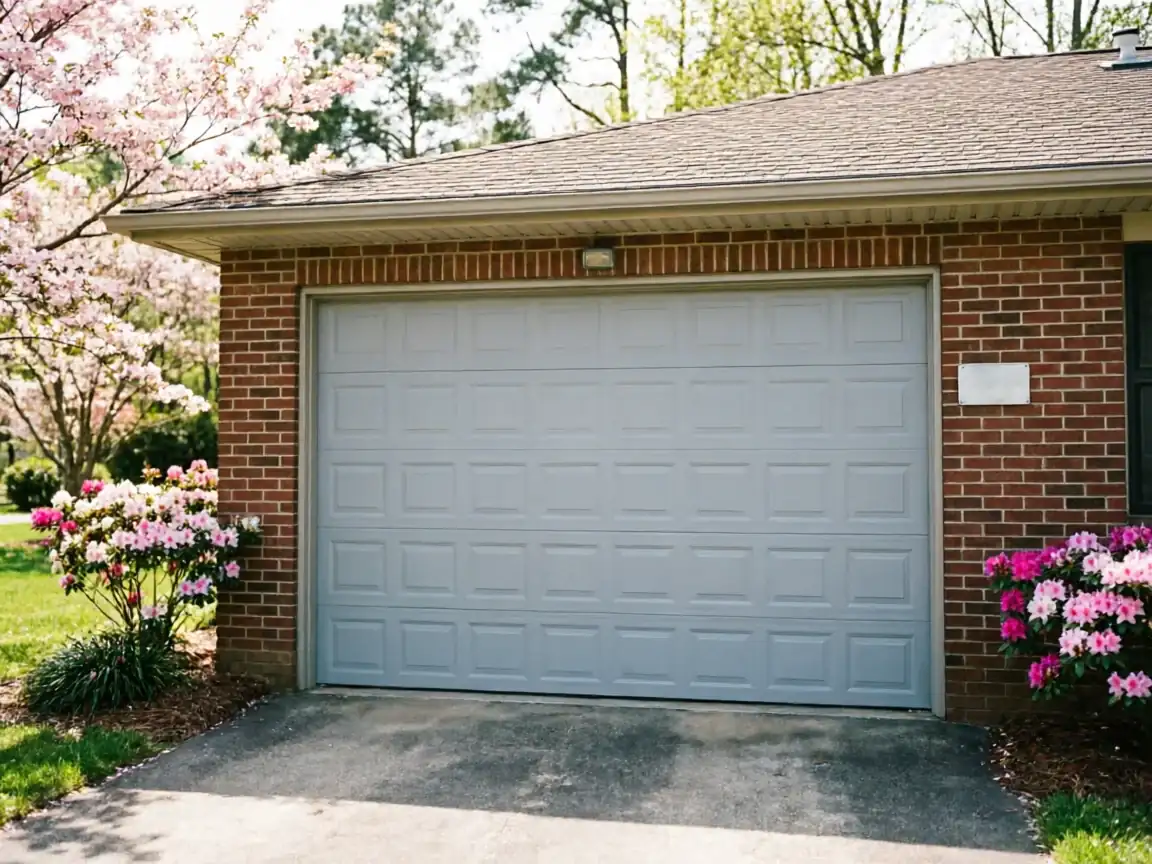
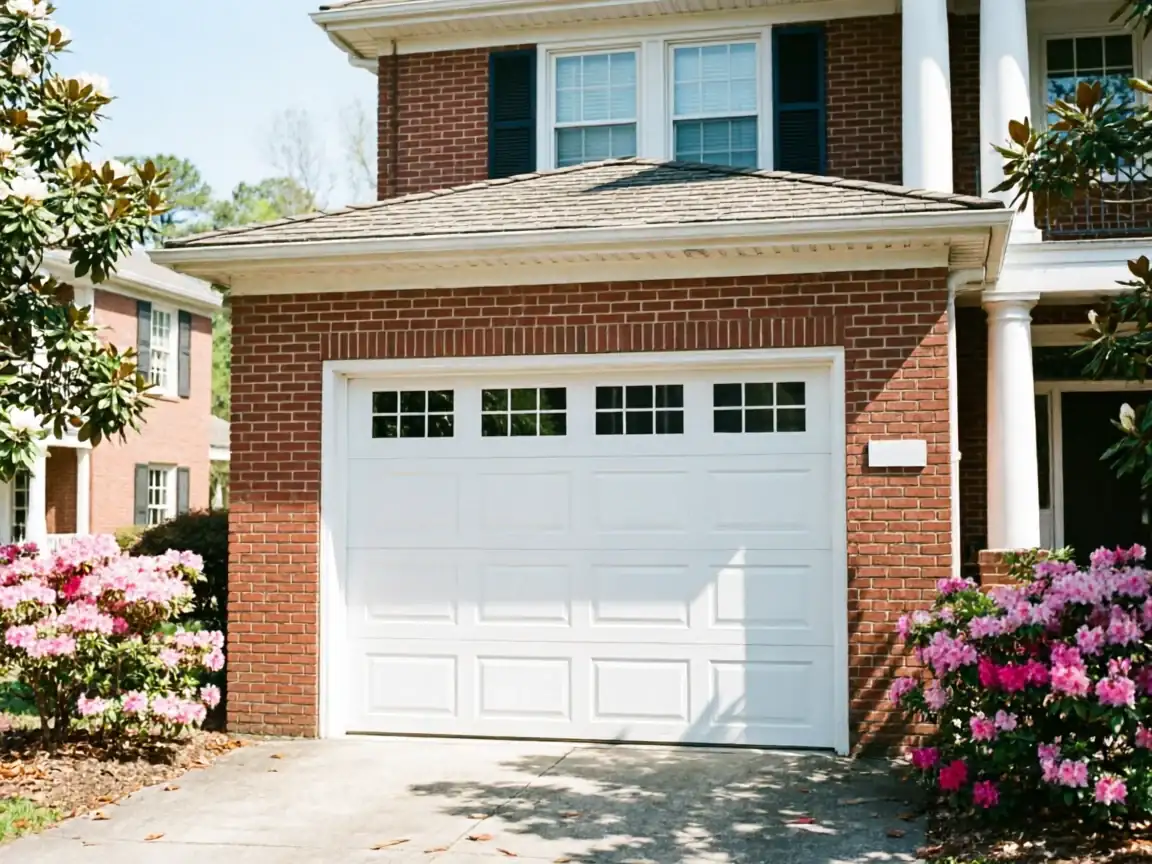
Most of the houses we get called to sit in neighborhoods built out between 1966 and 1977, with the bulk of that stock going up right around 1971. That's a specific problem for cables. The lift cables on a door from that era were sized and installed for lighter original panels, and over fifty years the galvanized coating on those cables wears thin at the drum and at the bottom bracket, which is exactly where the strands start to fray first. We see this across the two main pockets of 60s and 70s construction that make up most of the service area, not just one street or one subdivision. Add in a coastal-adjacent, cold-moderate climate with real swings in humidity through the year, and you get cycles of condensation and drying on steel hardware that was never stainless to begin with. Rust doesn't need a hard freeze to do its work here - it needs moisture sitting on a cable groove overnight, which is routine. None of this means every door is a ticking clock. A door that's had its cables swapped once already, or a newer door on original-era track, behaves differently than a 1971 door running its original hardware. The age of the house is a strong signal, not a guarantee.
What You Are Seeing
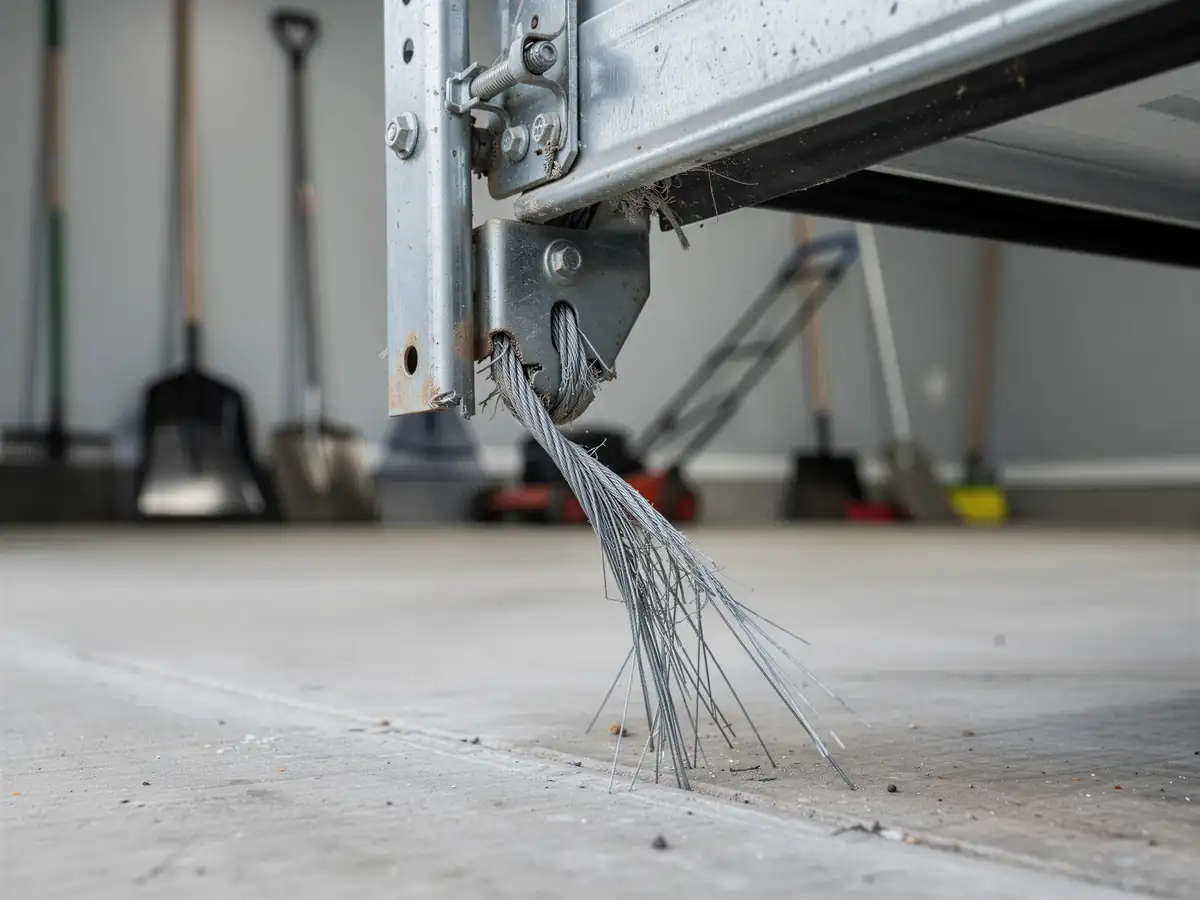
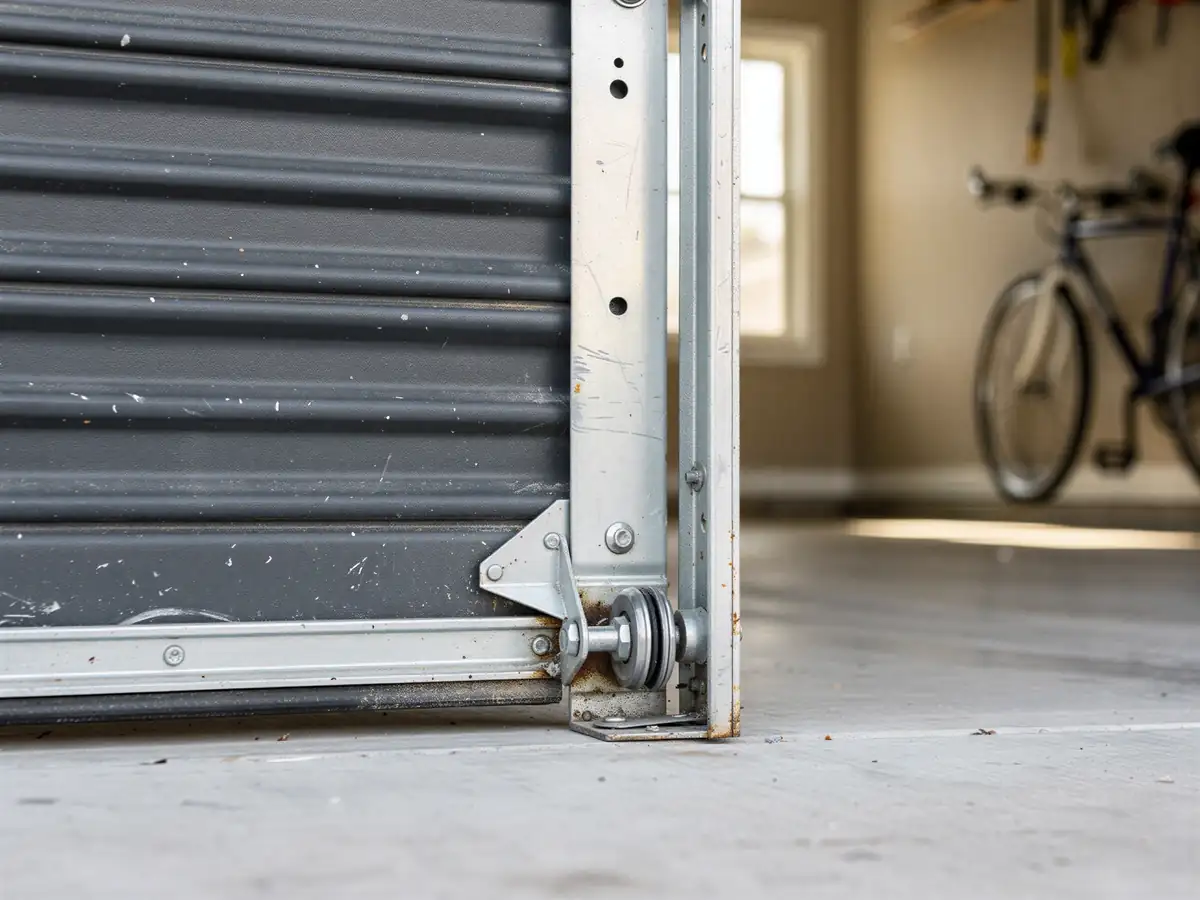
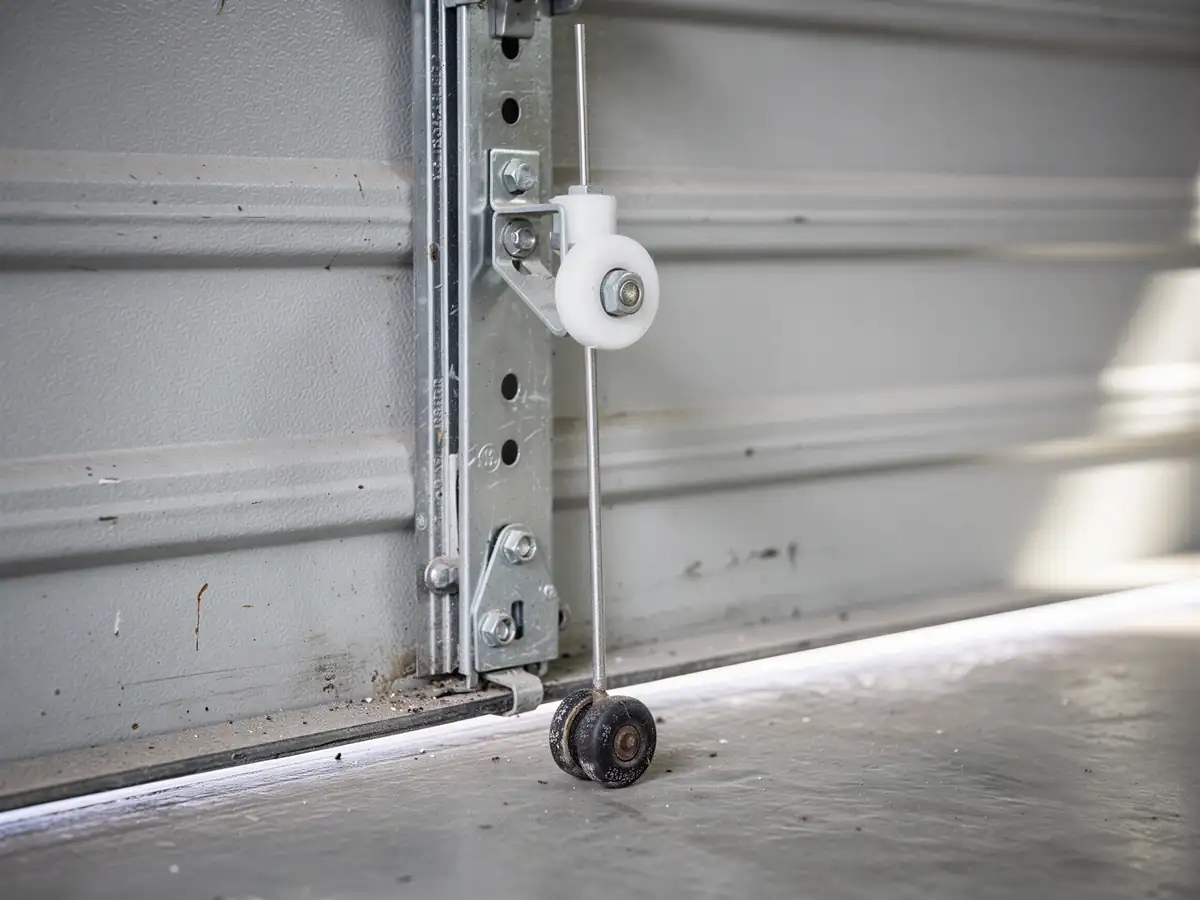
The classic sign is a door that's suddenly crooked in the opening - one side higher than the other, or the door stopped dead at an angle halfway up. That's usually one cable off the drum or one cable broken while the other is still holding. You might also notice the door closing unevenly for weeks before it fails outright: a soft grinding or popping near the bottom corners as a cable starts to lay wrong in its groove. If you can see the cable itself, look for broken strands sticking out like a frayed shoelace near the bottom fixture - that door is close to a full snap, not an emergency yet but close to one. A cable that's already parted will leave the door hanging on one side only, sometimes with the torsion spring still under load, which is the point where we tell people to stop pulling the manual release and just leave it alone until we're there. One thing we won't do is tell you a cable issue is actually a spring issue to pad the job - if the spring's fine and it's the cable, that's what gets replaced.
How Long You Are Without the Door
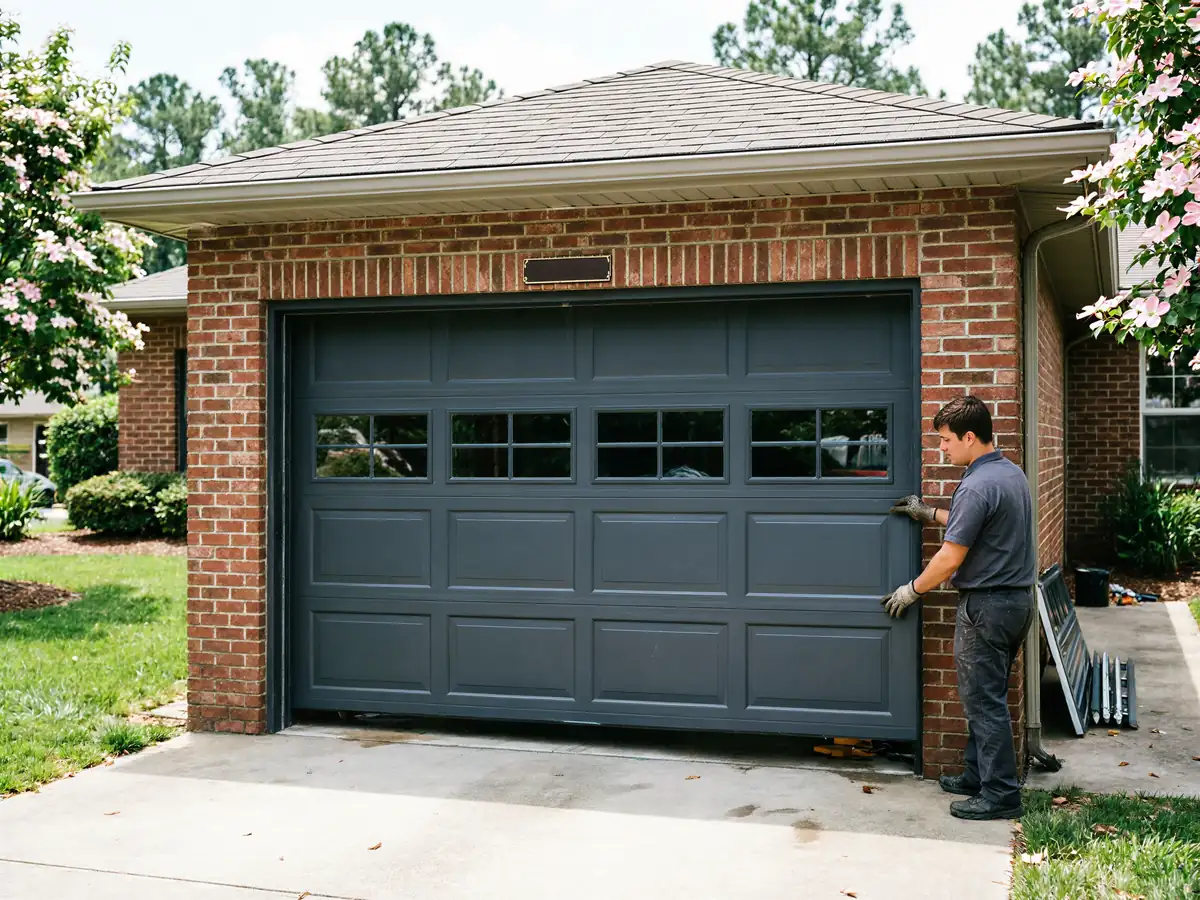
A straightforward cable replacement is usually a same-visit fix once we're on site - both cables get swapped as a pair, drums get checked for wear grooves, and the door gets balanced before we leave. Where it takes longer is when the original 1970s track or drum has worn in a way that a modern cable won't seat against cleanly, which does happen on doors that have never been touched since the house was built. In that case we're matching hardware, not just dropping in a part, and that can mean a return trip if something isn't in the truck. We won't guess at a timeline over the phone before we've seen the drum and the track in person - on a door this old, the cable is rarely the only thing that's tired. We cover the service area out from Norfolk, including the pockets near and out toward Downtown, and travel time plays into same-day scheduling more than the repair itself does.
How We Fix It
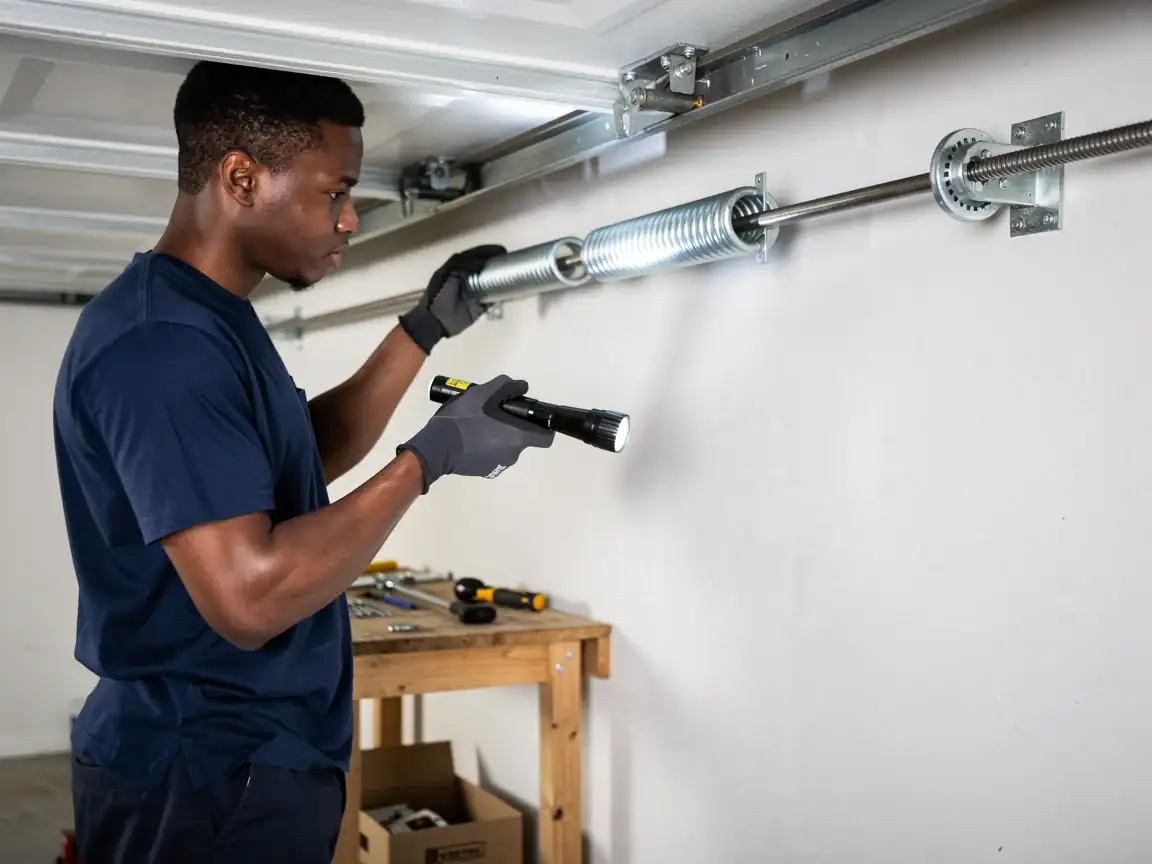
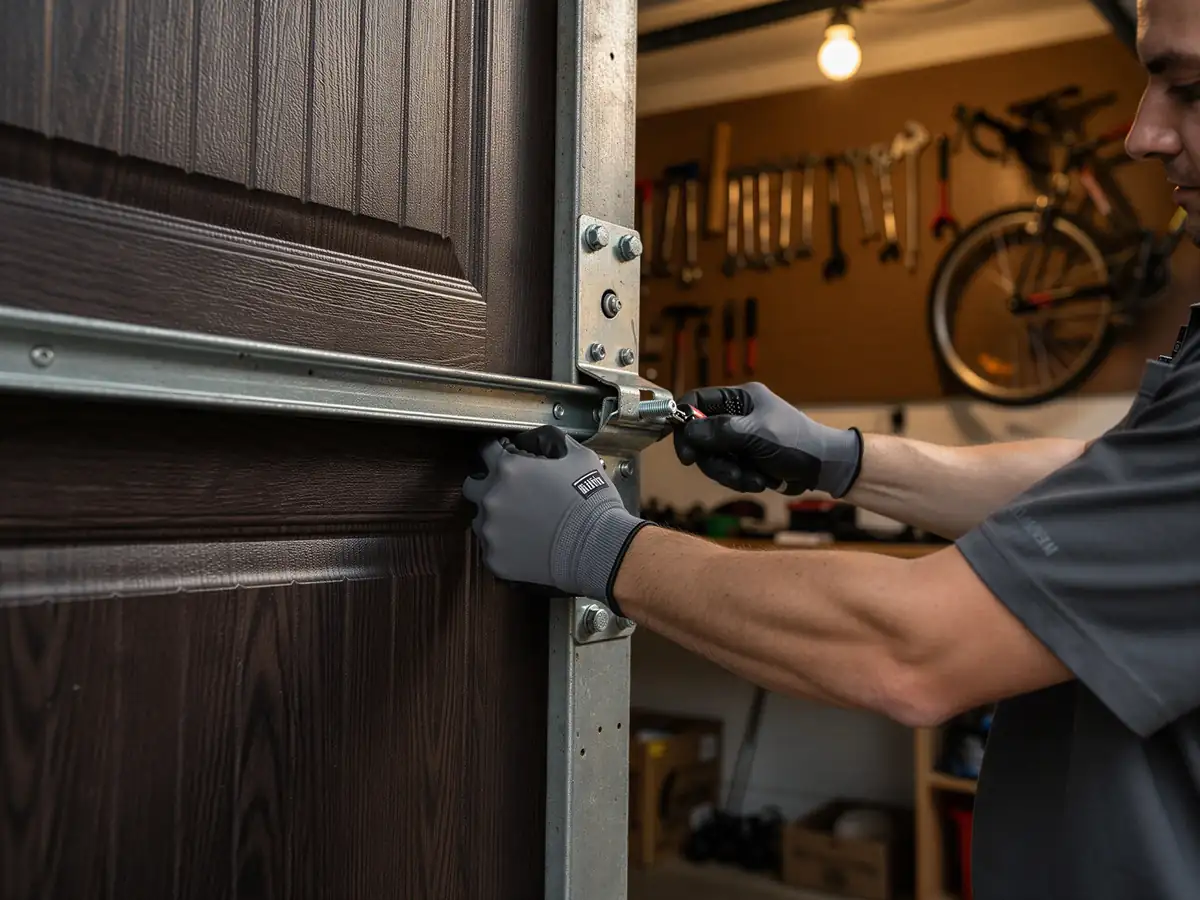
We replace lift cables in pairs, even if only one has failed, because the other one is the same age and under the same load history - replacing one and leaving its twin is a callback waiting to happen. Before anything goes back together we check the drums for grooving, the bottom brackets for bend or rust pitting, and the torsion spring for correct tension, since a cable job on a door with a tired spring just fails again faster. We re-cable using hardware rated for the door's actual weight, not whatever came off the shelf first, and we run the door through a full open-close cycle under load before calling it done. What we don't do is patch a frayed cable with a clamp or a shortened splice - on a torsion system that's carrying real spring load, that kind of fix is how people lose fingers, and we'd rather say no to the quick version and do the full swap.
How it works
From “it’s stuck” to “it’s fixed”
01
Tell us what’s wrong
Describe the symptom - won’t open, loud bang, opener runs but the door won’t move.
02
On-site diagnosis
A technician tests the door under power and by hand and finds what actually failed.
03
Clear, up-front plan
You get the fix that’s needed and what drives the cost - before any work starts.
04
Repaired & tested
The repair is done, the door is set true and tested, and the work area left clean.
Not sure which repair your door needs in Norfolk, VA? Describe what it’s doing - every job starts with a diagnosis.
Why did my garage door cable snap with no warning?
Usually it wasn't no warning - it was slow fraying at the drum or bottom bracket that wasn't visible from the house side. On doors from Norfolk's main building era in the 1960s and 70s, decades of rust and flex at those contact points weaken the strands gradually until the last few give out at once.
Can I drive on a door with one broken cable?
No. With one cable gone, the door is hanging unevenly and the torsion spring may still be loaded on one side only, which can let the door drop or twist in the track. Leave it where it is, don't use the opener or the manual release, and call to get both cables replaced as a pair.
Do you replace one cable or both?
Both, as a pair. The cable that hasn't broken yet is the same age as the one that did and has carried the same load for the same number of years - replacing only the failed side just means a second service call soon after.
Is a cable repair different from a spring repair?
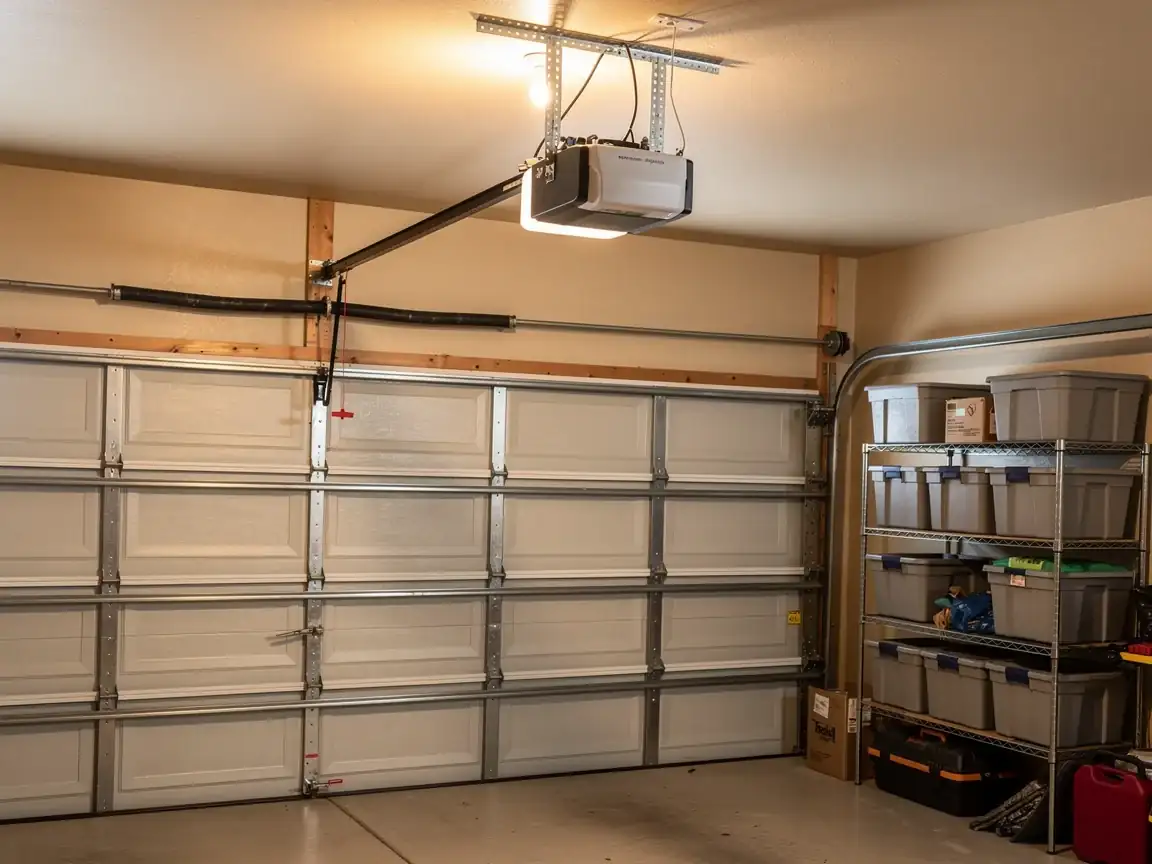
Yes, and they're often confused because both leave the door stuck or crooked. Cables are the braided lines running from the bottom bracket up to the drum; springs are what store the lifting force. We check both, but we only replace the part that's actually failed.
Ready to get your garage door sorted?
Tell us what it’s doing and where you are in Norfolk - we’ll take it from there.