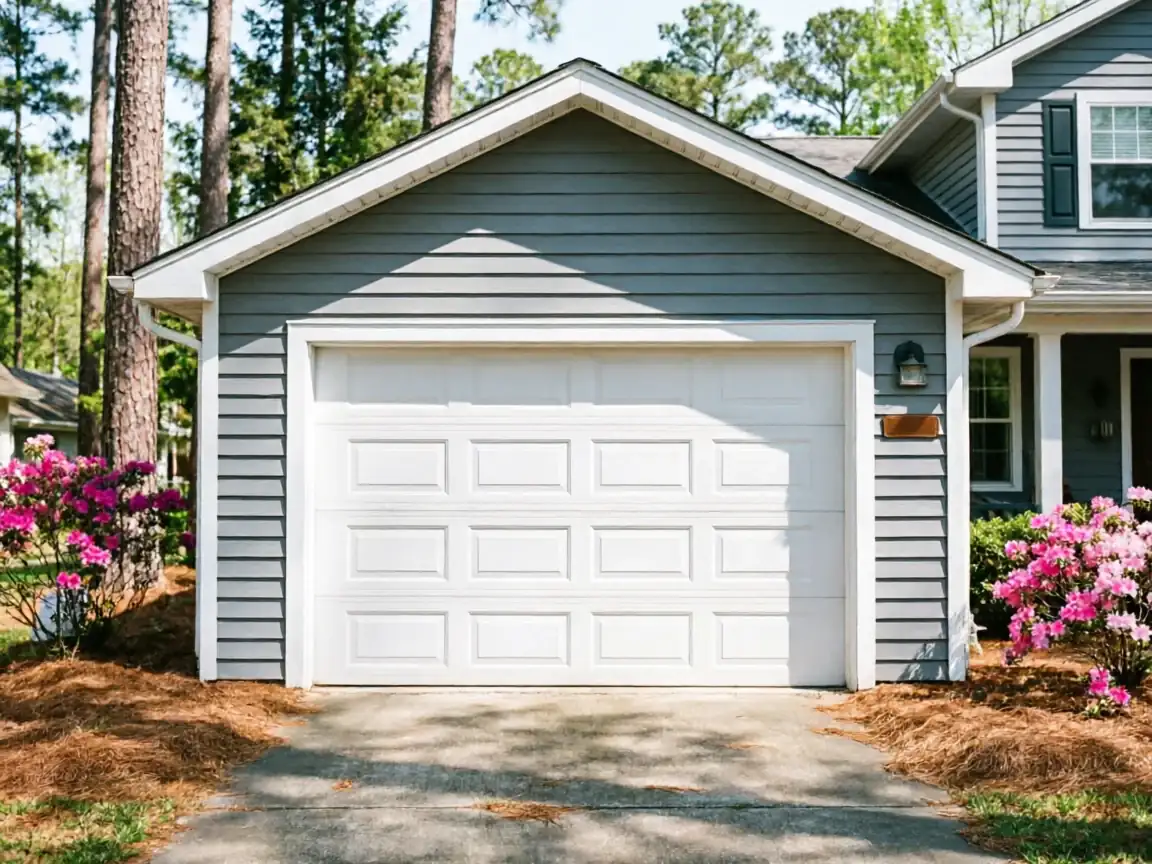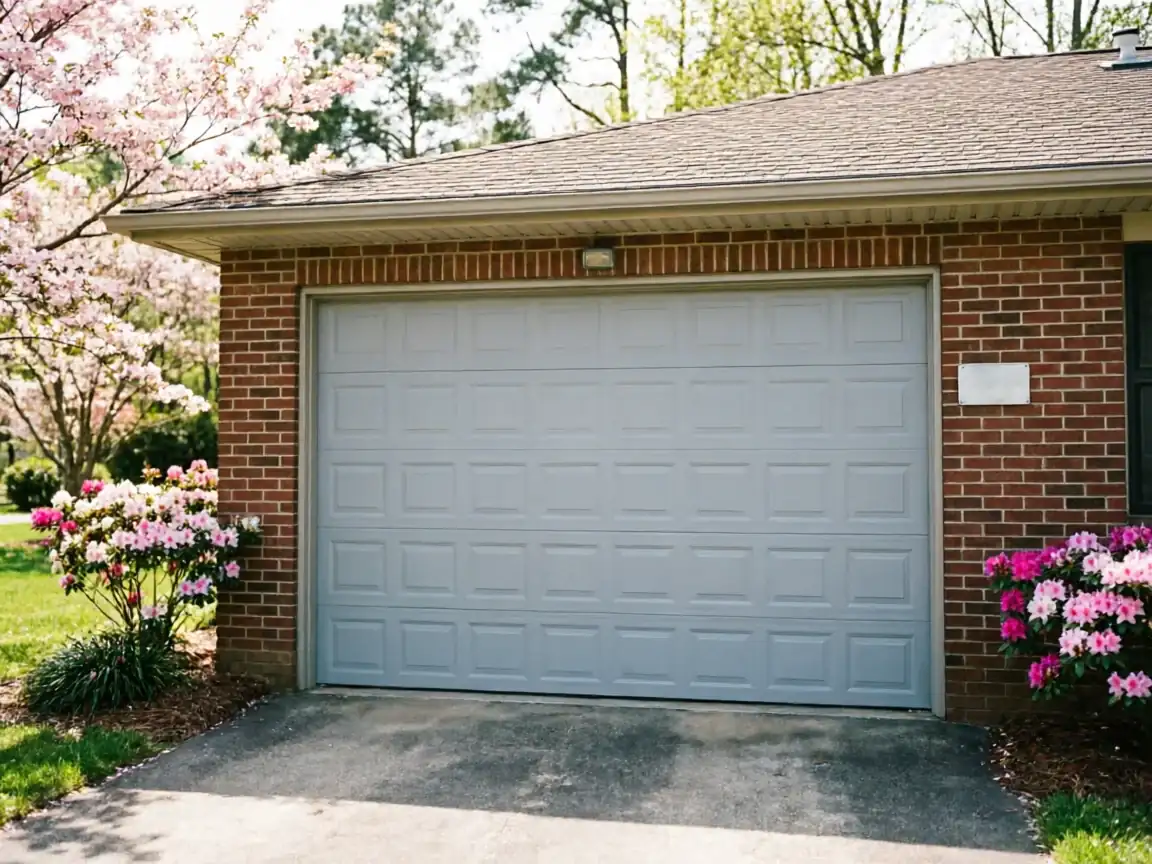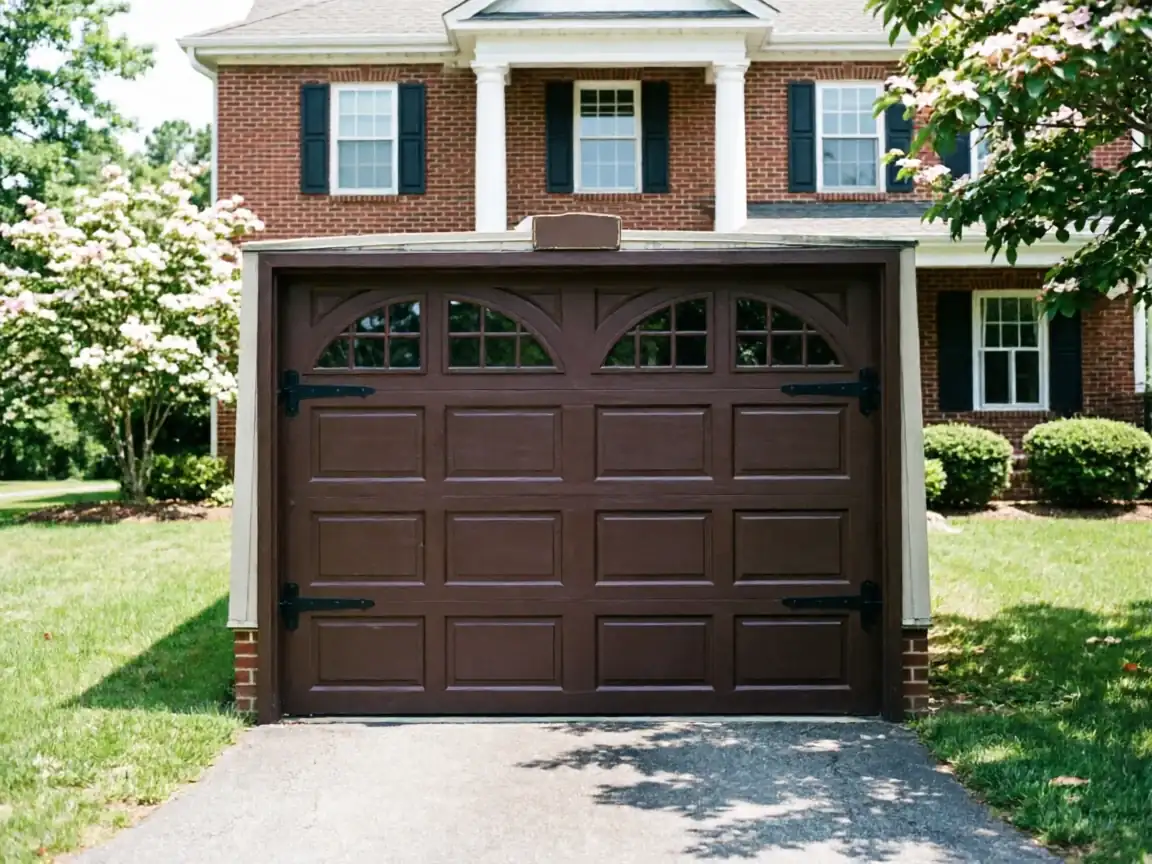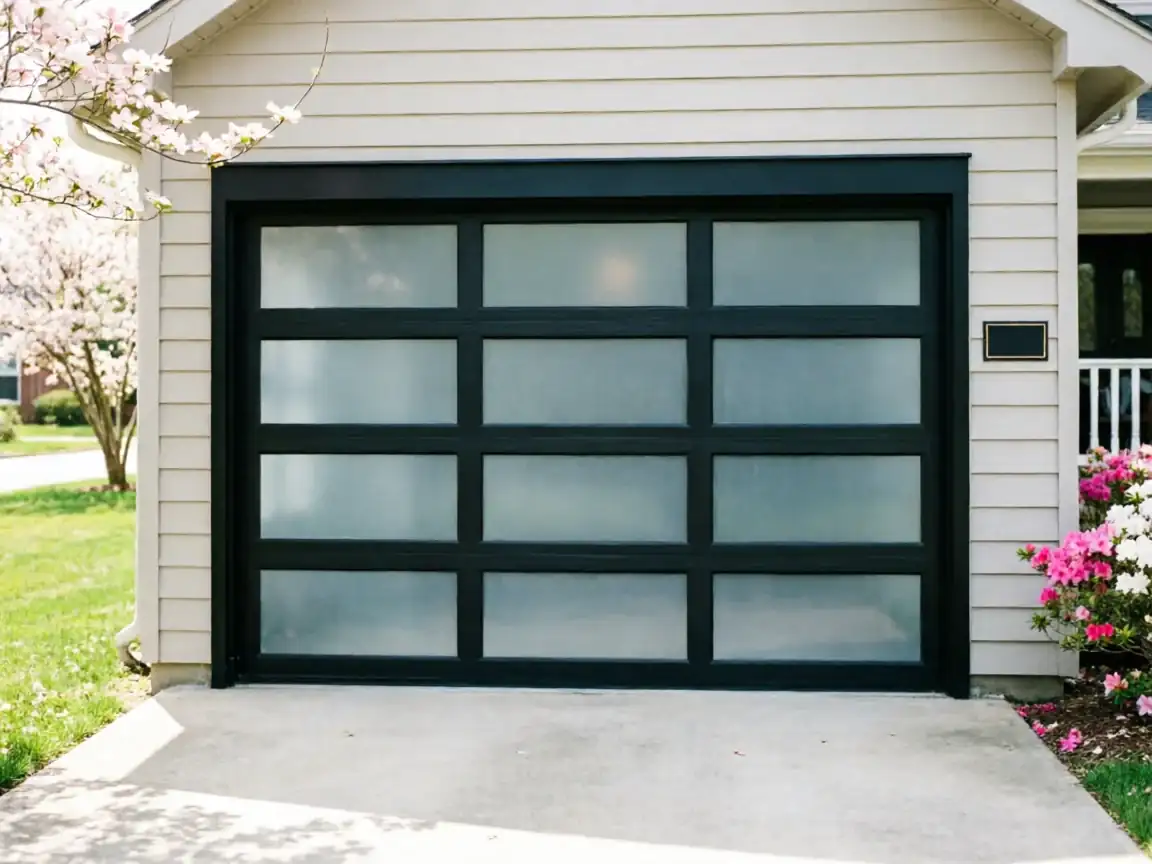
Why It Happens Here
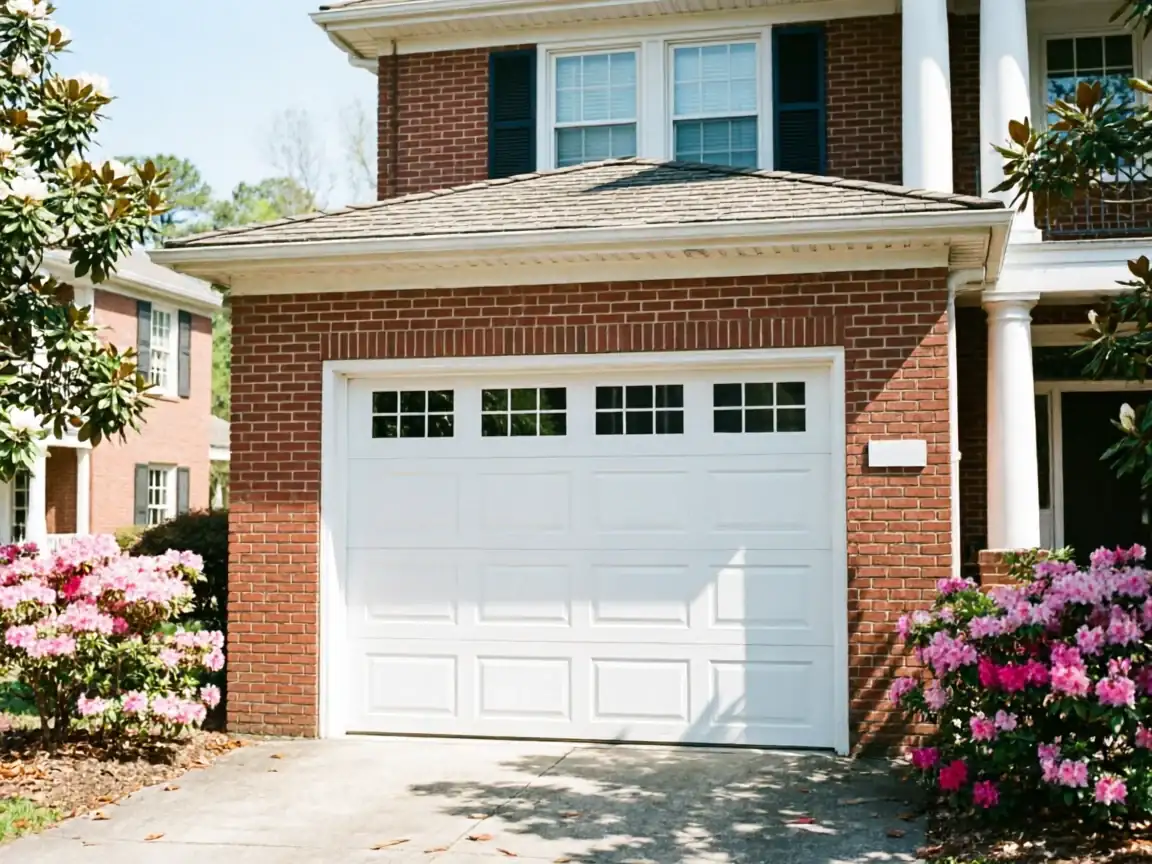
Most of the houses on this side of Norfolk
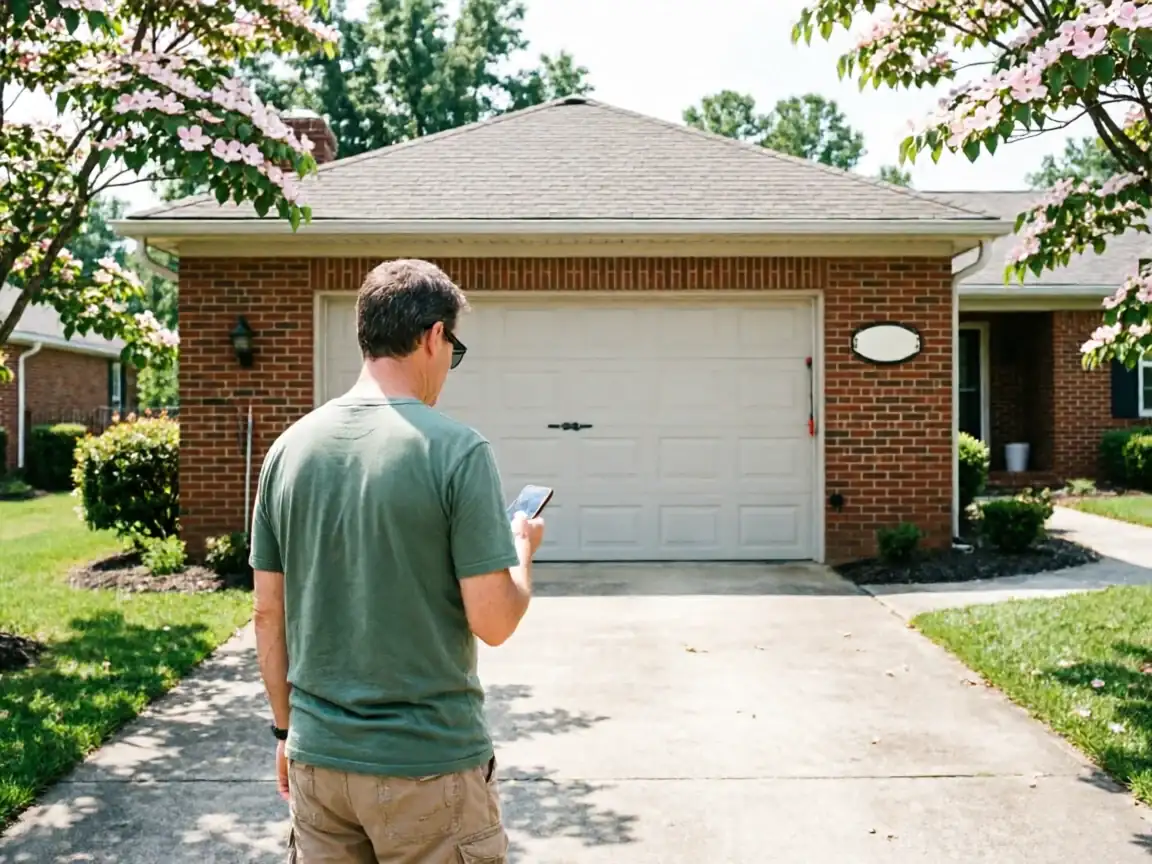
Including the stretch around went up between 1966 and 1977. That's a narrow window, and it means a lot of garages were framed to the same rough opening sizes and the same single-wall steel doors that were standard for that era. Those original doors are now pushing fifty years old. Steel from that period wasn't insulated the way doors are built now, and the tracks and jamb brackets were sized for lighter panels than what's sold today.
On top of the age, Norfolk sits in a cold-moderate climate band
Which means the garage door takes real temperature swings and damp salt air across the year without the extreme heat or extreme cold that would force a faster replacement cycle elsewhere. The result is a lot of doors that don't fail suddenly - they just slowly stop sealing, stop balancing right, and stop being worth another patch repair. That's when installation, not repair, is the honest answer. We can't make a 1971 opening behave like new construction, but we can get a door and track set that fits what's actually there.
What You Are Seeing
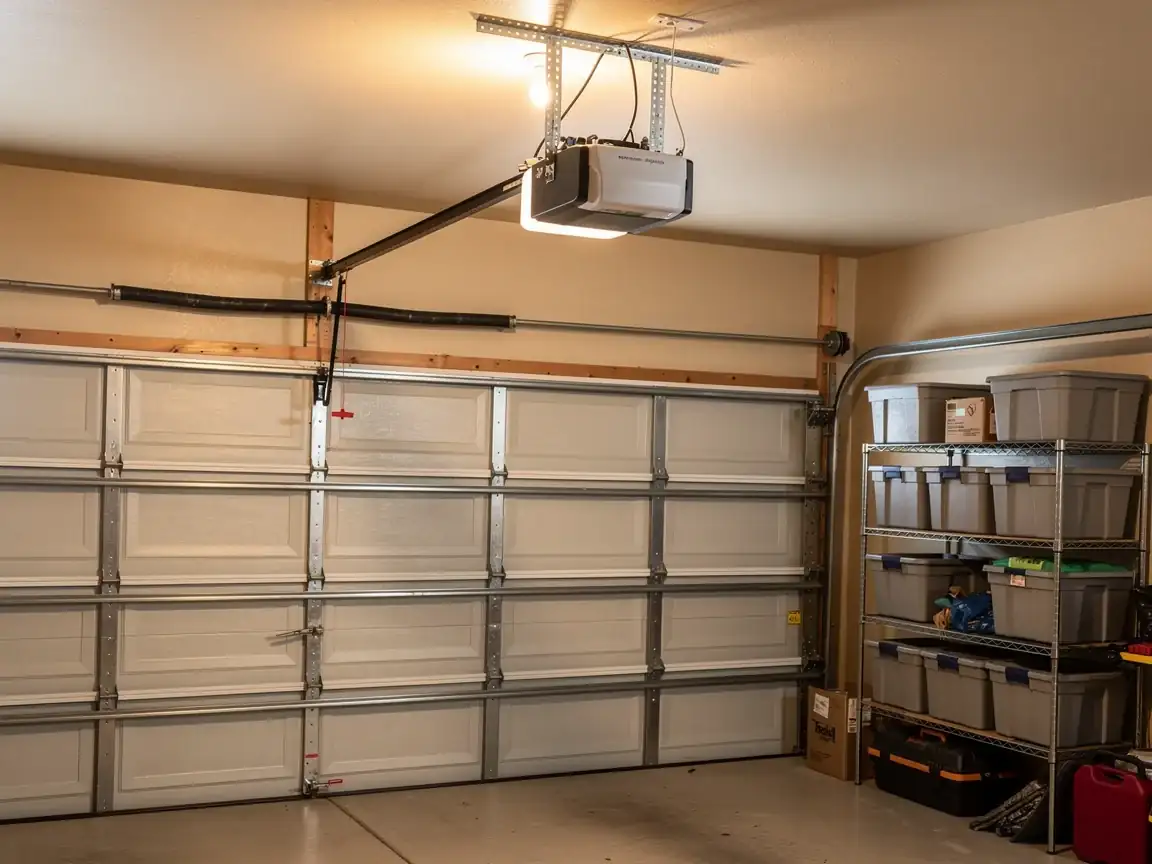
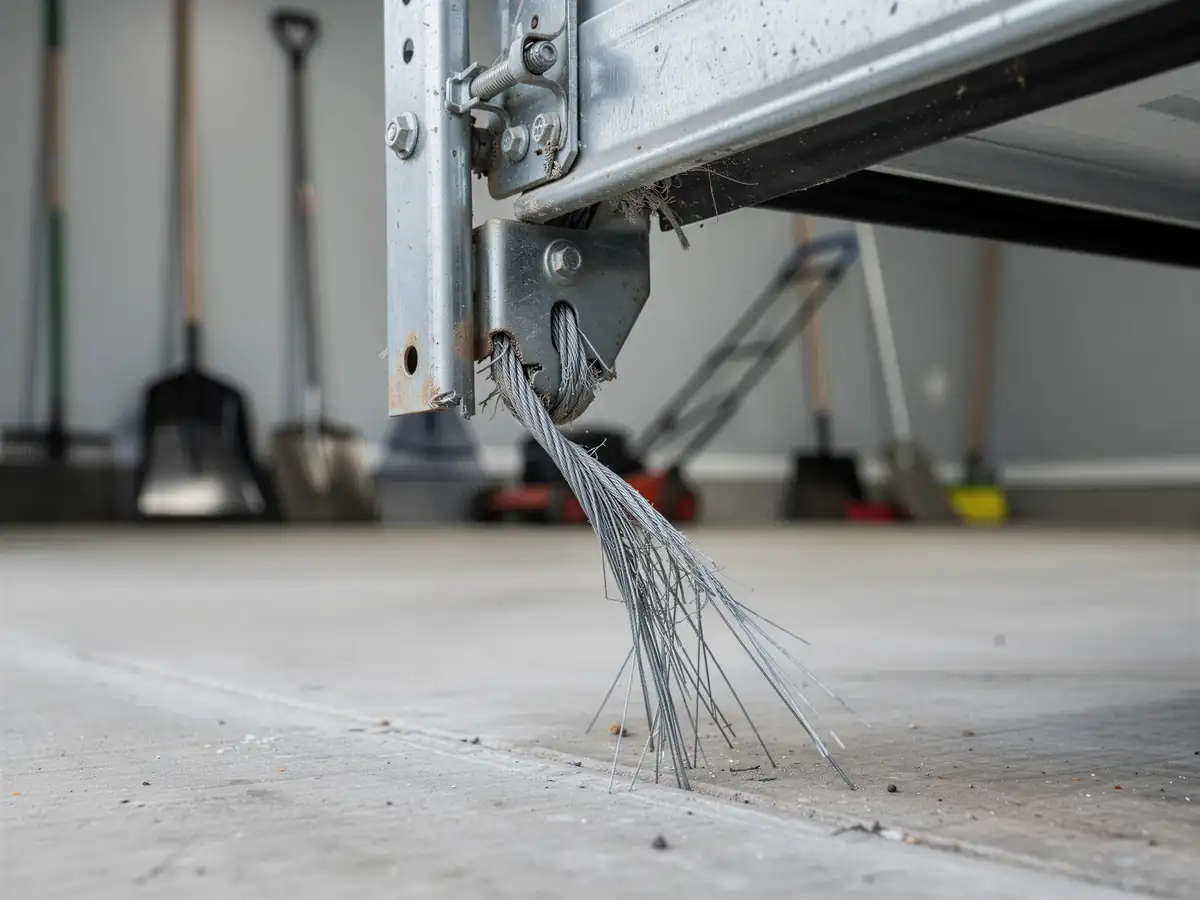
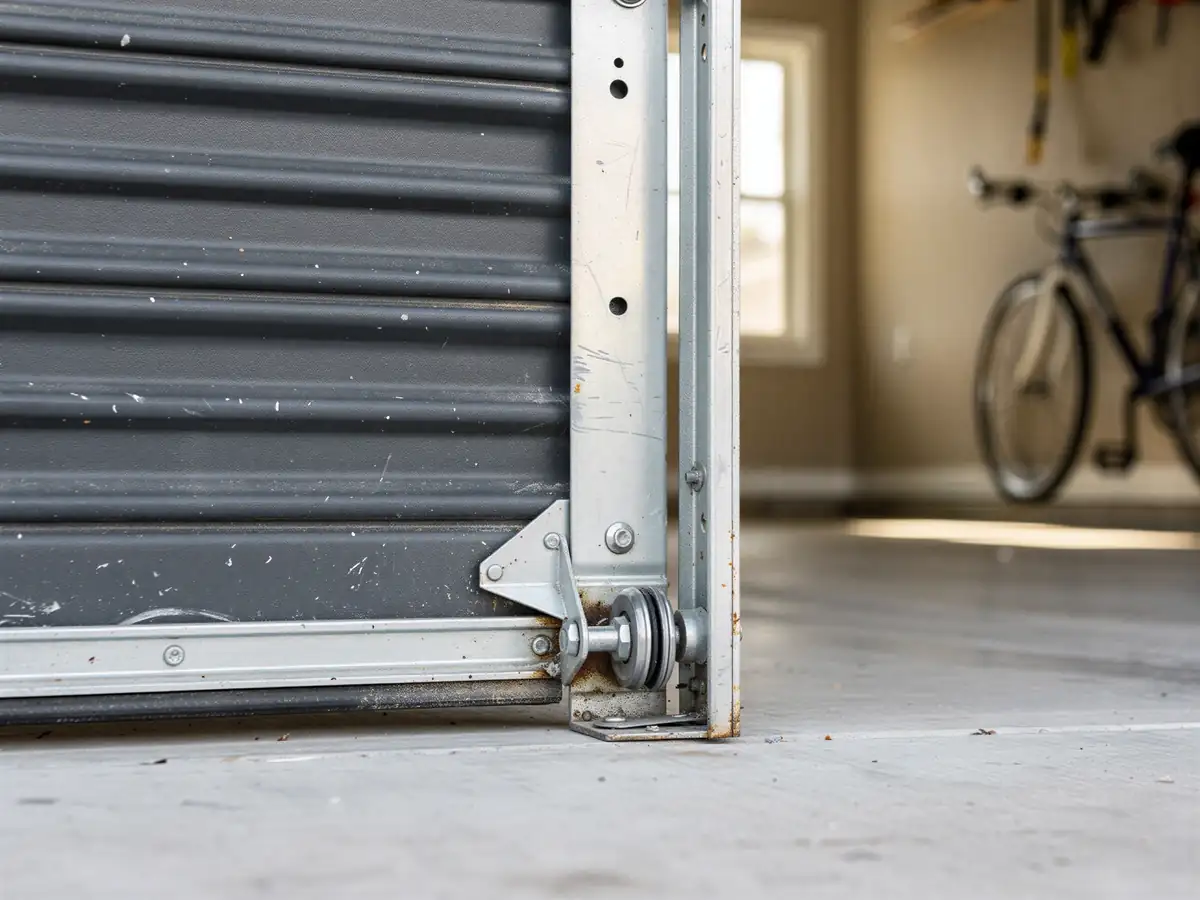
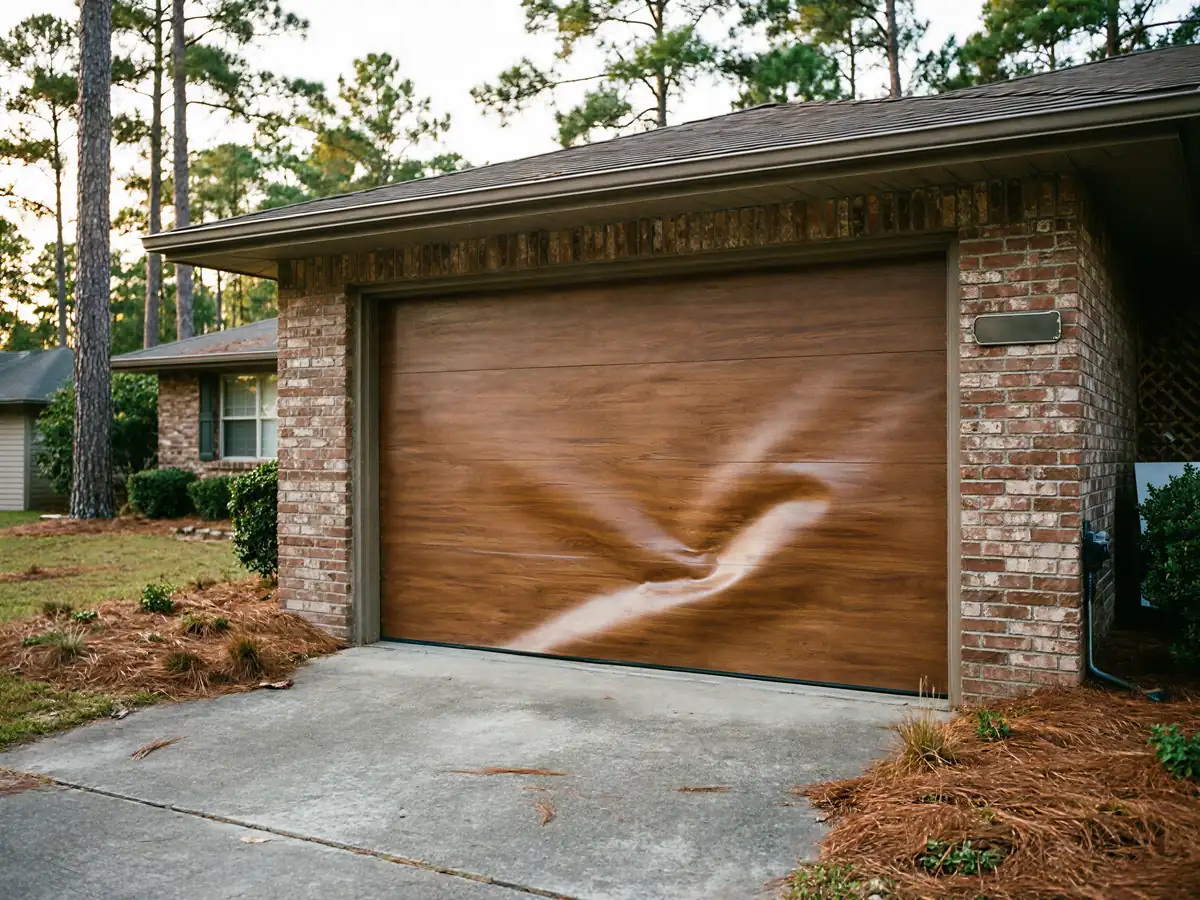
If your house falls in that 1966-1977 build range, the signs usually show up the same way: the door looks fine closed but daylight shows at the bottom corners, the panels have started to bow or dent from decades of use, or the opener runs louder than it used to because it's fighting a door and track that have drifted out of square over the years. Weatherstripping on original doors from that period is often long gone or brittle, which lets in both drafts and moisture given the coastal damp here.
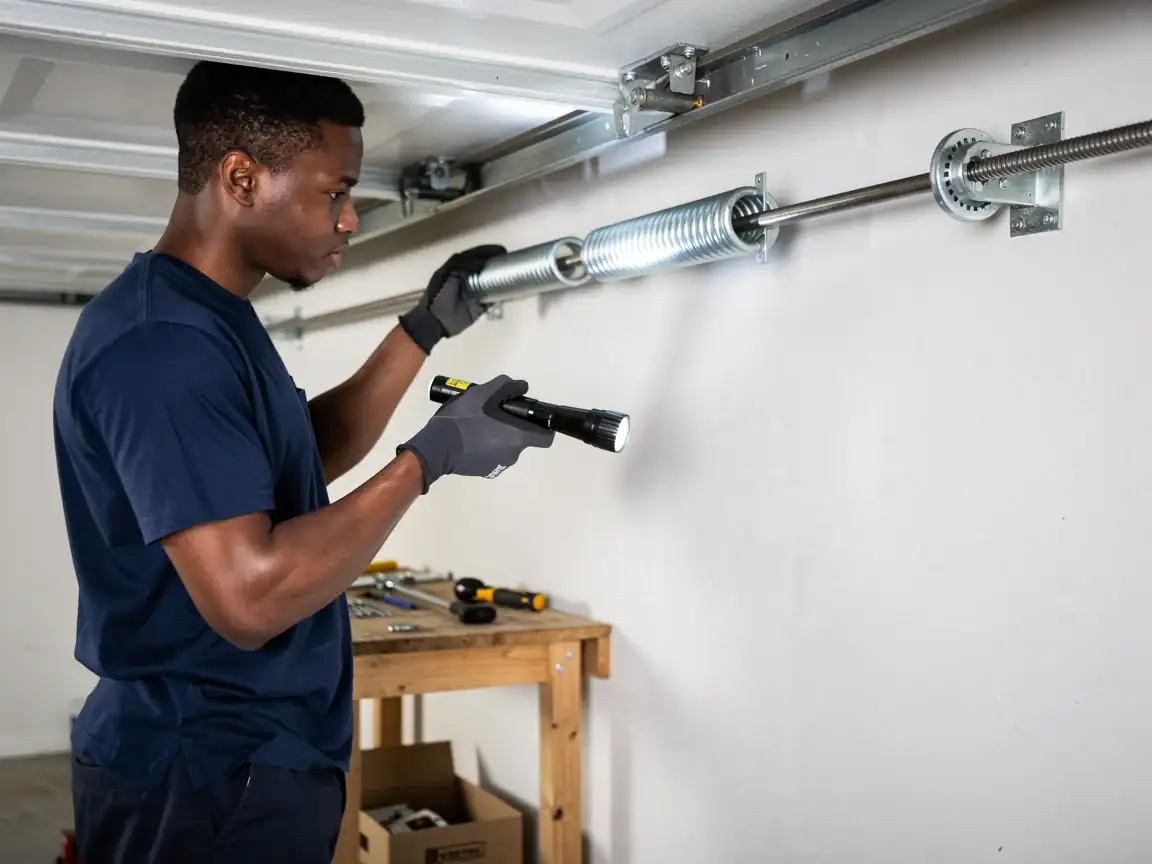
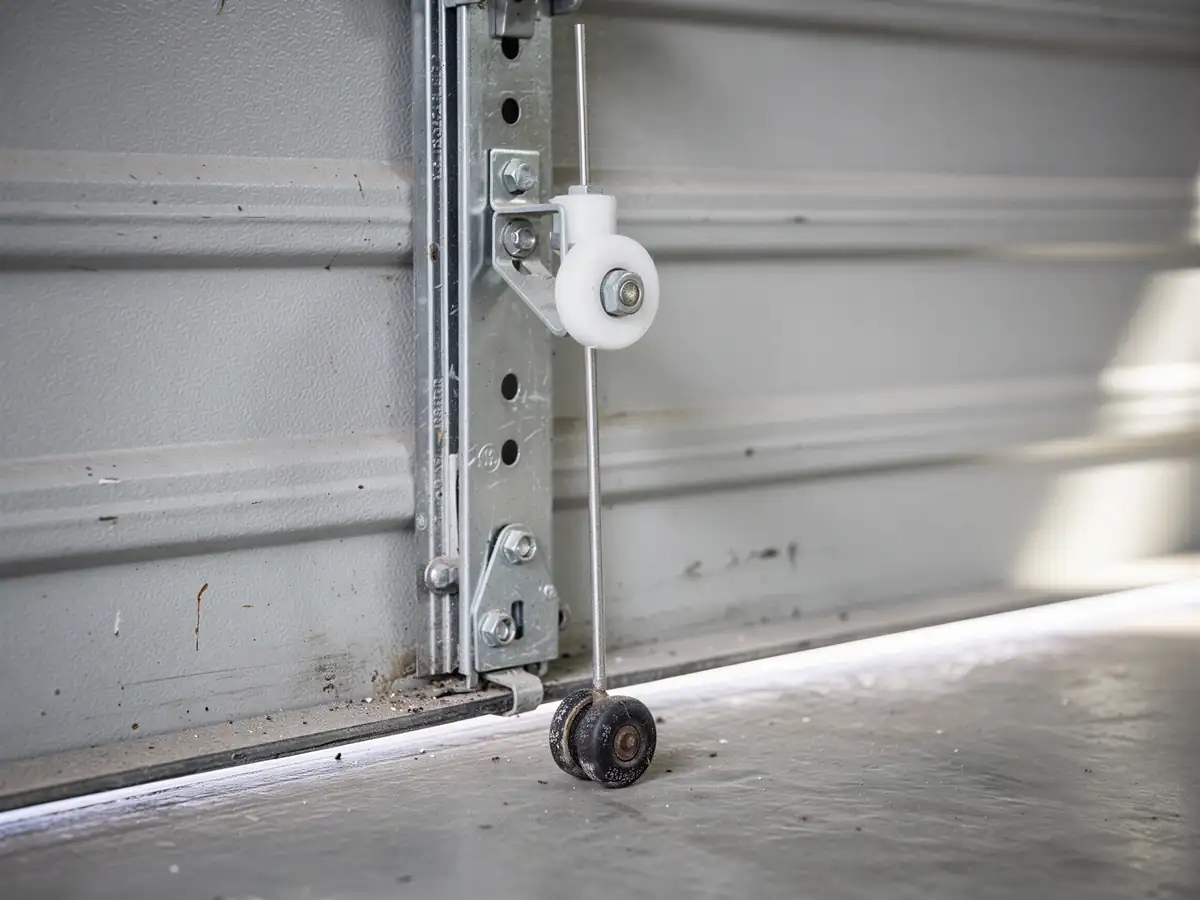
Sometimes it's simpler than that - the door is original steel, it's rusting at the bottom panel where water sits, and no amount of spring adjustment or roller replacement is going to buy you more than another year. We'll tell you straight when a door's done. A repair that costs most of what a new door costs isn't a favor to you, it's just delaying the same decision with your money spent twice.
How Long You Are Without the Door
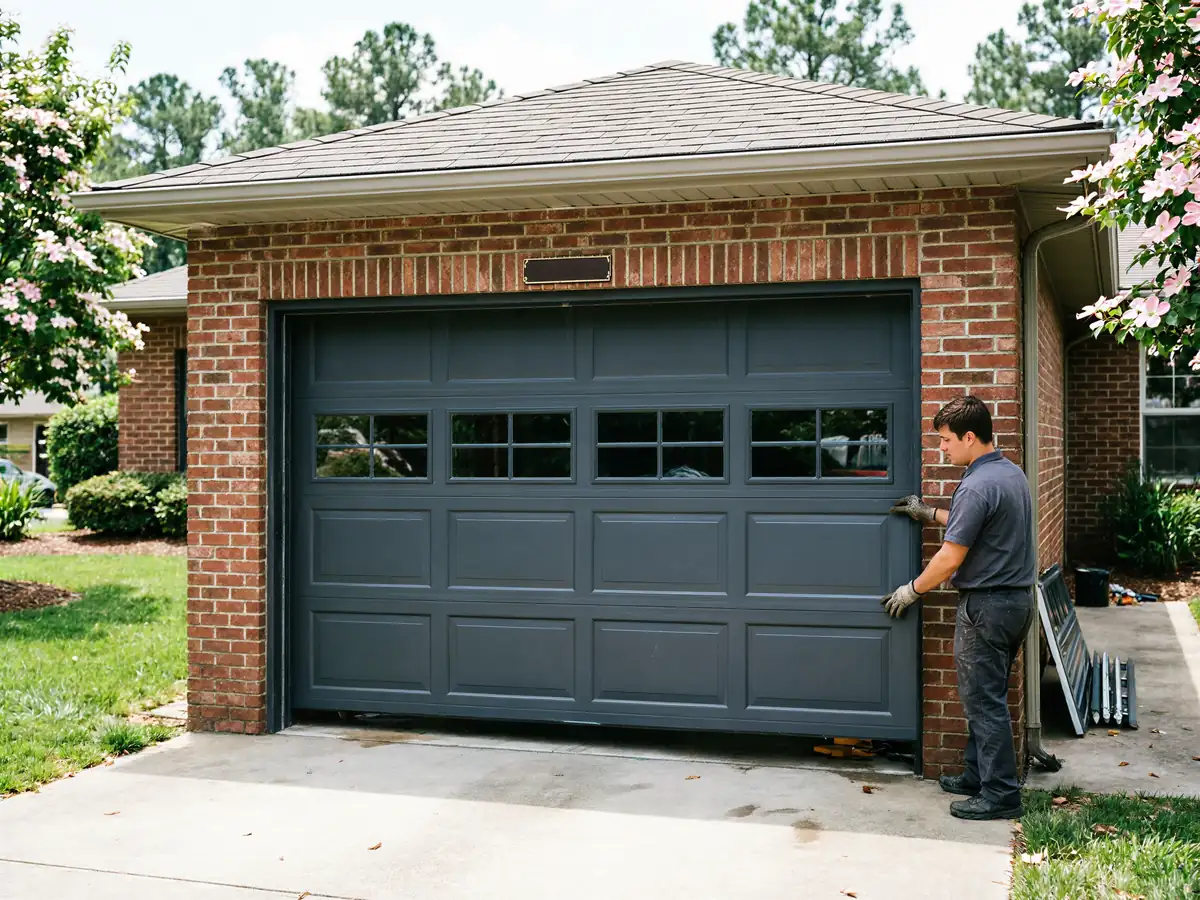
We don't have a fixed job-length figure to quote you here, and giving you one would be guessing. What we can tell you is that most installations on these older Norfolk openings take longer than a straight swap because the rough opening, header, and track mounts were built for a door spec that doesn't exist on the shelf anymore. That means more time squaring the frame and adjusting mounting points before the new door ever goes up, not more time standing around.
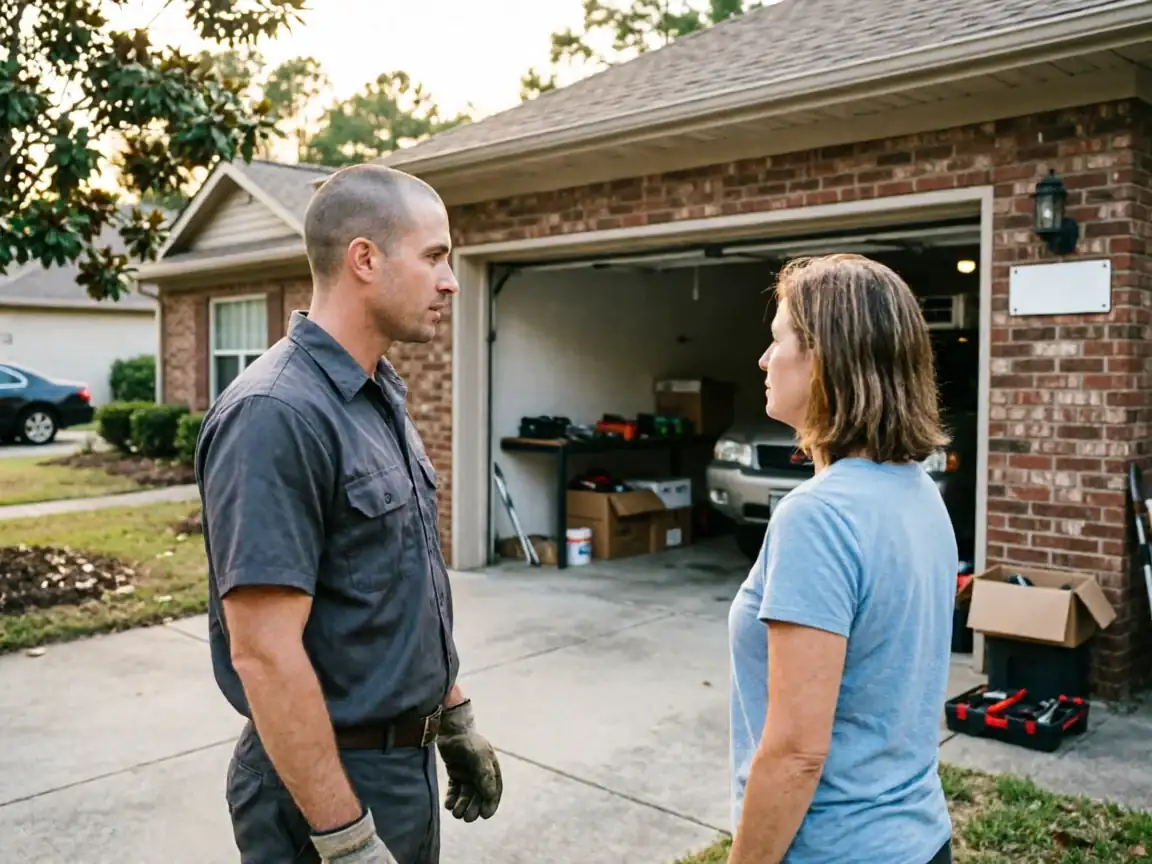
If your garage is attached and used daily, we'll walk you through what stays open and what doesn't during the swap before we start, so there's no surprise about access to the space.
How We Fix It
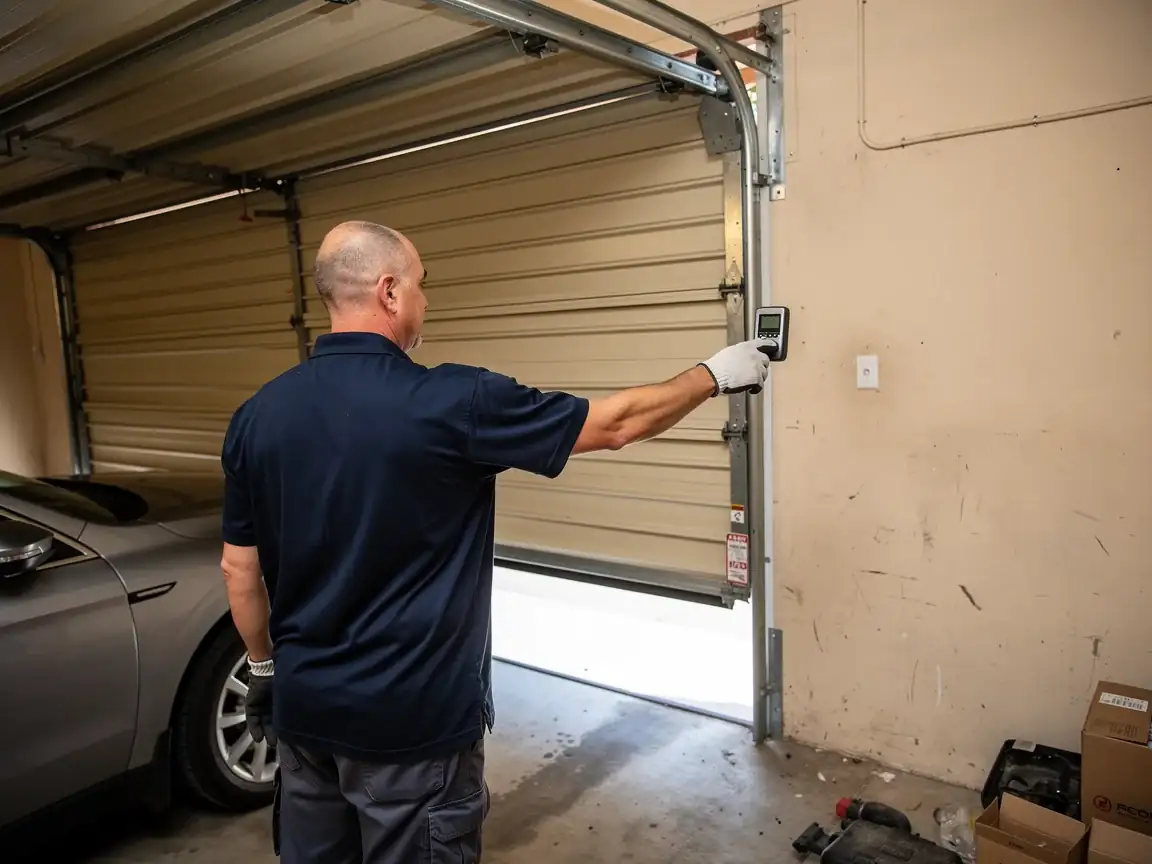
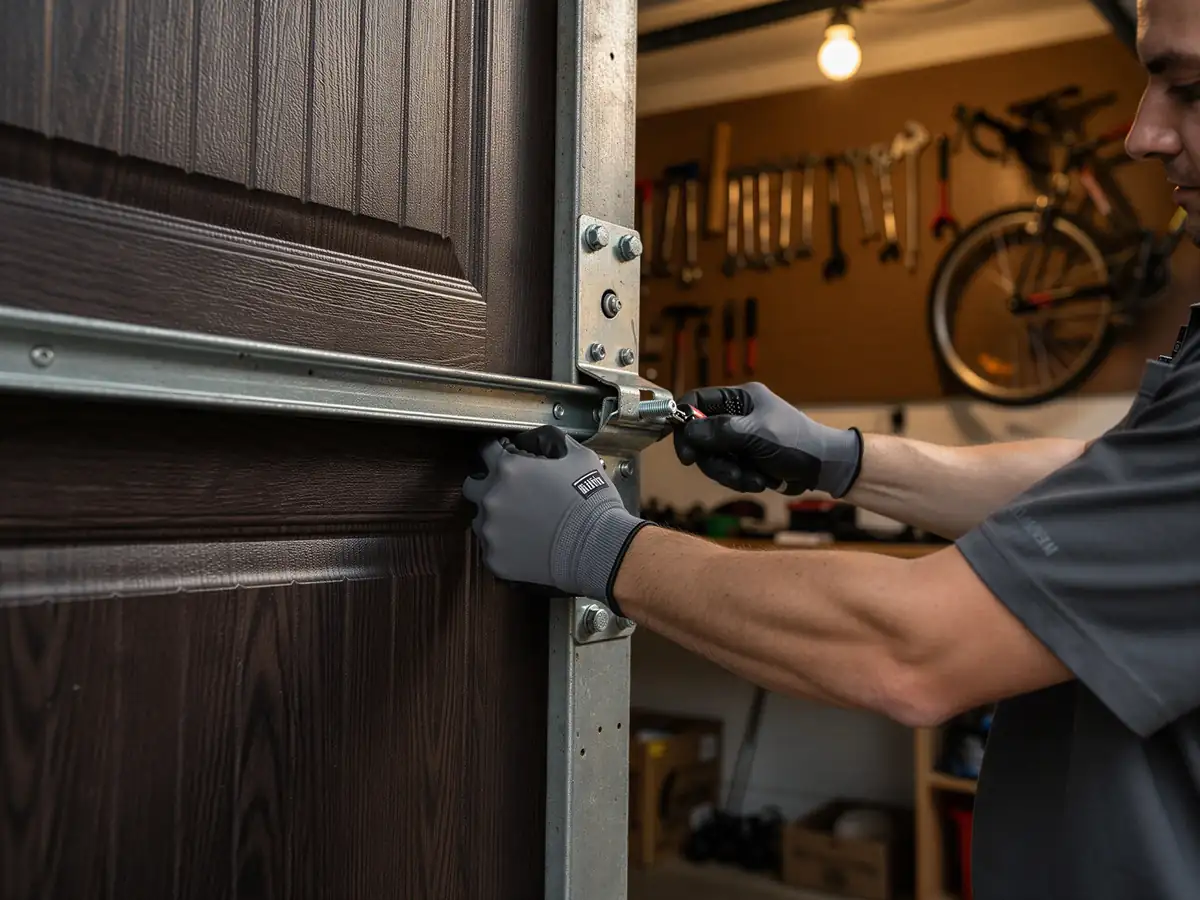
We measure the actual opening, not the nominal size stamped on the old door
Because on 1960s and 70s construction those two numbers are often off by enough to matter. From there we fit a door and track set built for how the opening actually sits now, including any settling that's happened over fifty-plus years. For houses near the water side of Norfolk, like we pay particular attention to the bottom seal and hardware finish given the coastal air works harder on exposed steel than it would further inland.
We're straightforward about scope
If the framing around the opening needs carpentry beyond the door itself, that's outside what we do and we'll tell you so before we start, not after you've paid for a door that still won't hang right.