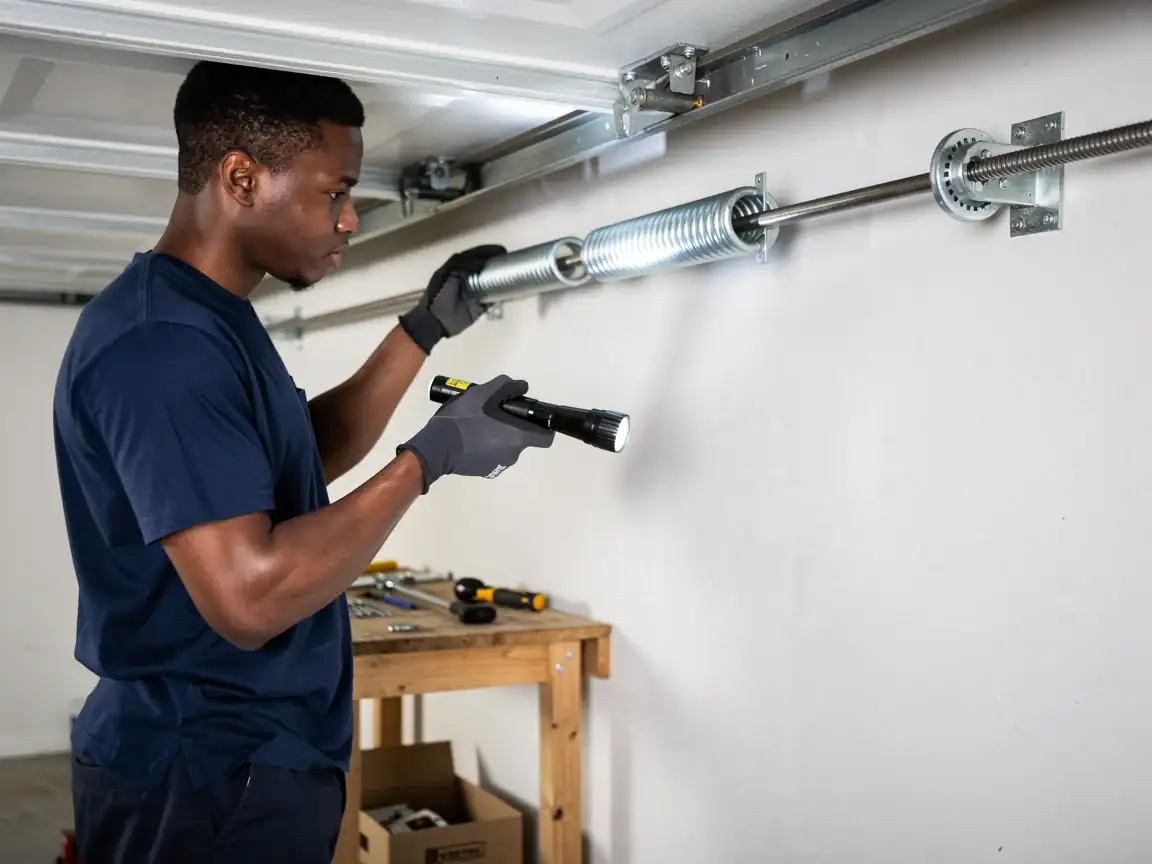
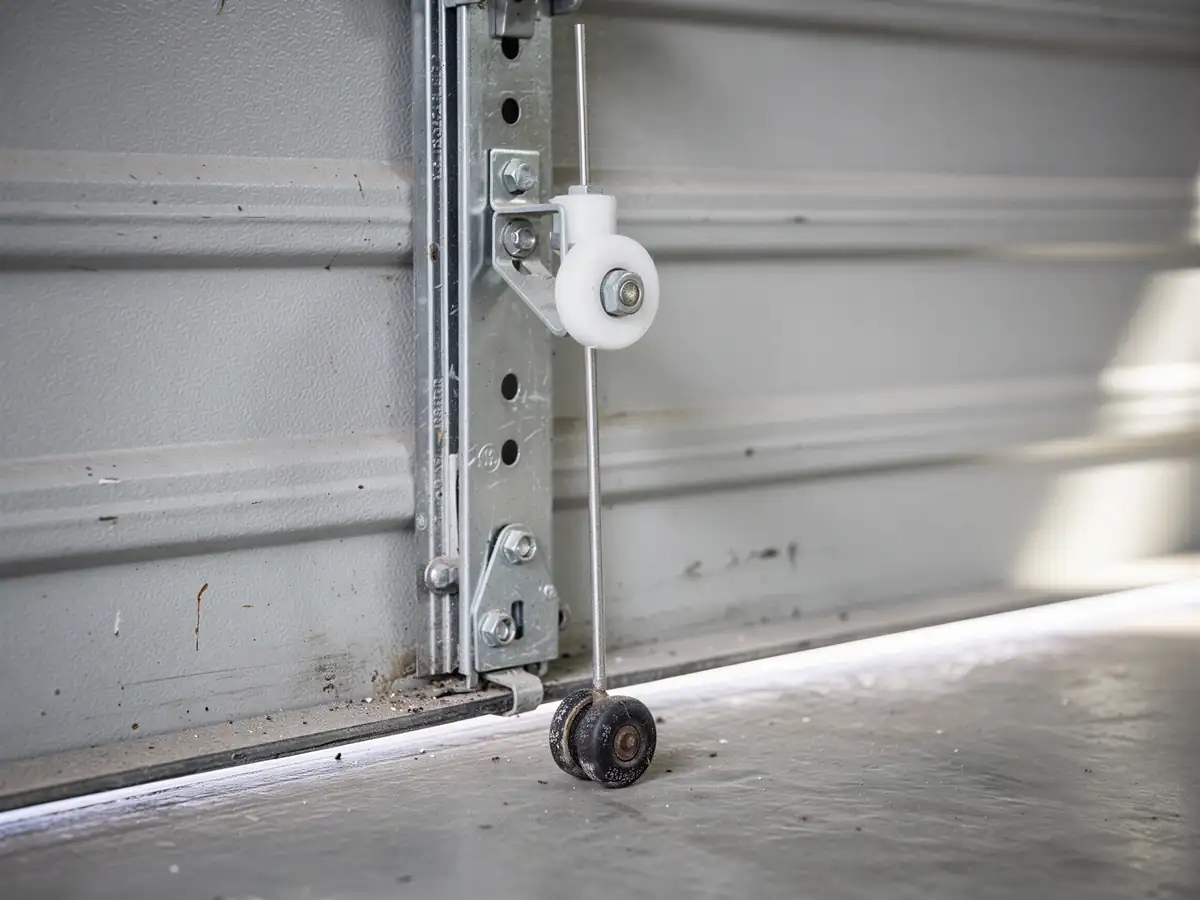
Most of the houses we work on here went up around 1977, a little later than the 1966-1977 window that covers the rest of the service area. That matters for parts. A door from the tail end of that run is more likely to be an early steel sectional panel on a torsion spring system than the older one-piece doors we still see closer to Norfolk's center. We carry standard torsion springs, 2-inch and 2-inch EZ-set cones, nylon and steel rollers, and galvanized track in the sizes that fit a 1970s single and double opening. What we don't carry on the truck is anything custom - oversized openings, odd-width doors, or panel profiles that stopped being made decades ago. If your opening is non-standard, the door itself is special-order, and that's a lead time we tell you up front rather than guess at. The climate here sits in a cold-moderate band, not the extreme swings you get further inland, so we're not pushing thick insulated cores as a must-have the way we would in a harder climate. It's a real option, not a code requirement, and we'll say so rather than upsell it.
How We Fix It
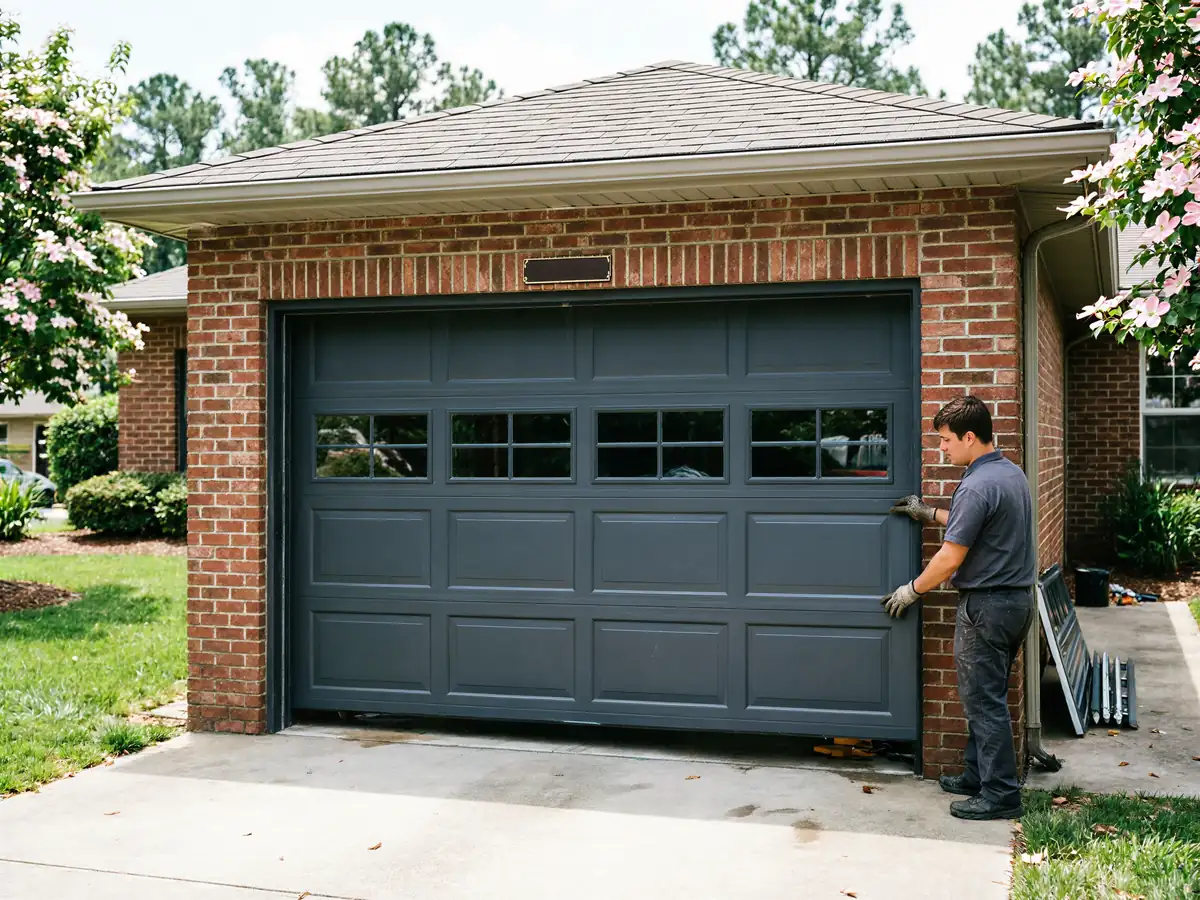
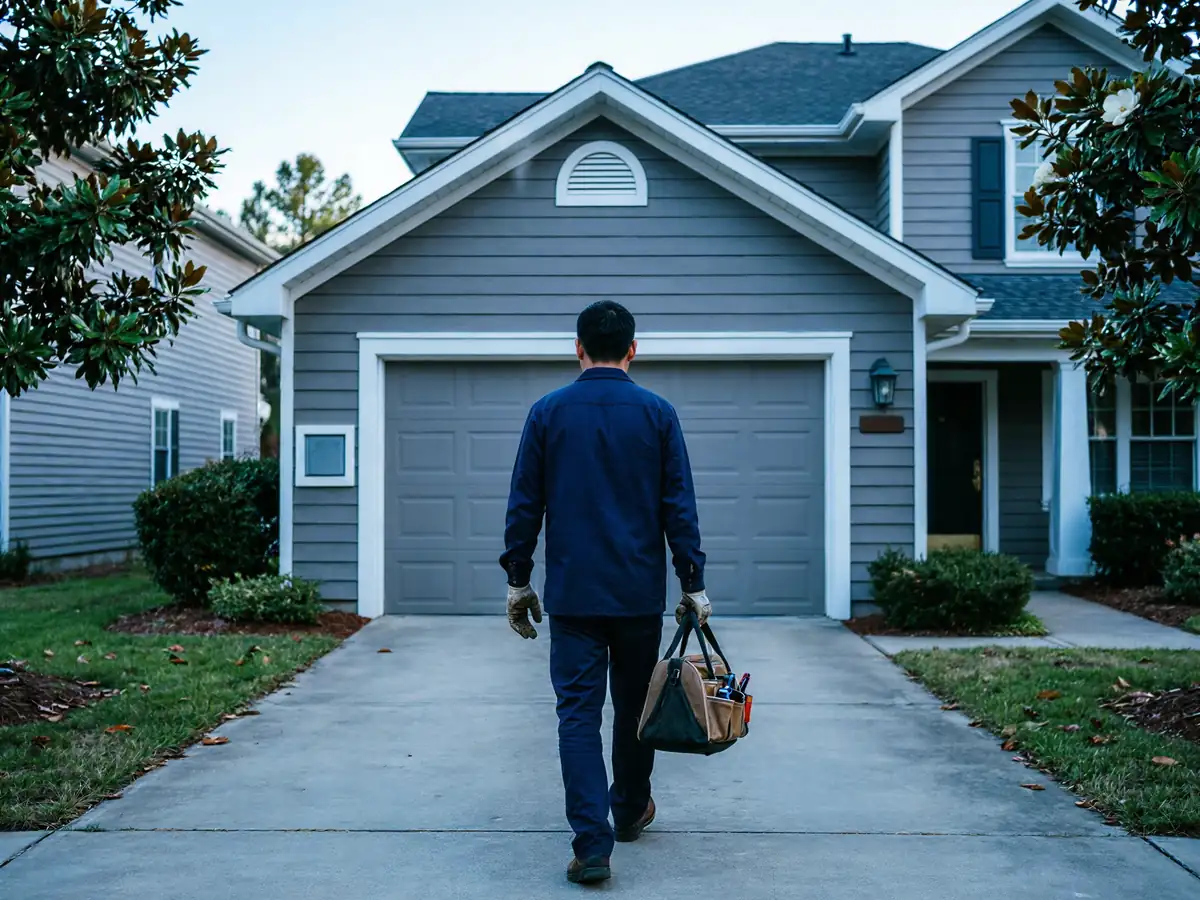
We come out from Norfolk, about fifteen miles, so the visit is built around getting everything done in one trip rather than two. That means confirming the opening size, the track configuration, and whatever's failed on the old door before the truck leaves the shop, not after we're standing in your driveway. For a straight install - same size opening, same general hardware layout - that's a one-visit job: old door and track out, new door and springs set and balanced, opener reconnected if it's being reused. Where it gets longer is when the opening itself needs framing work, which shows up more on the handful of older builds in this part of the service area than on the newer stock. We'll tell you on-site if that's what we're looking at rather than quote a standard install price and then change it later. One honest limit: we don't do the framing carpentry ourselves. If the jamb or header needs rebuilding before a new door will hang square, that's a separate trade, and we'll say so instead of forcing a door into an opening that isn't ready for it.
How Long You Are Without the Door
Start with the number that actually drives this decision: median household income here runs $120,919, well above the $89,945 figure for the wider service area. That gap changes where the repair-or-replace line sits. On a lower-income block, a cracked panel or a dead opener often gets patched because a full replacement is a stretch. Here, the math tips sooner - if a door is already showing its age, a full new install often pencils out cheaper over time than a second and third repair call on the same hardware. That's not a sales pitch, it's arithmetic you can run yourself against a repair quote. As for timeline, a standard new install on an existing opening is a same-day job once parts are on the truck; it's the special-order situations - non-standard sizing, a custom color or panel style - that stretch the wait, because that's time sitting with a supplier, not time we control. We'll give you the honest number for your specific door before you commit, not a generic range.
What You Are Seeing
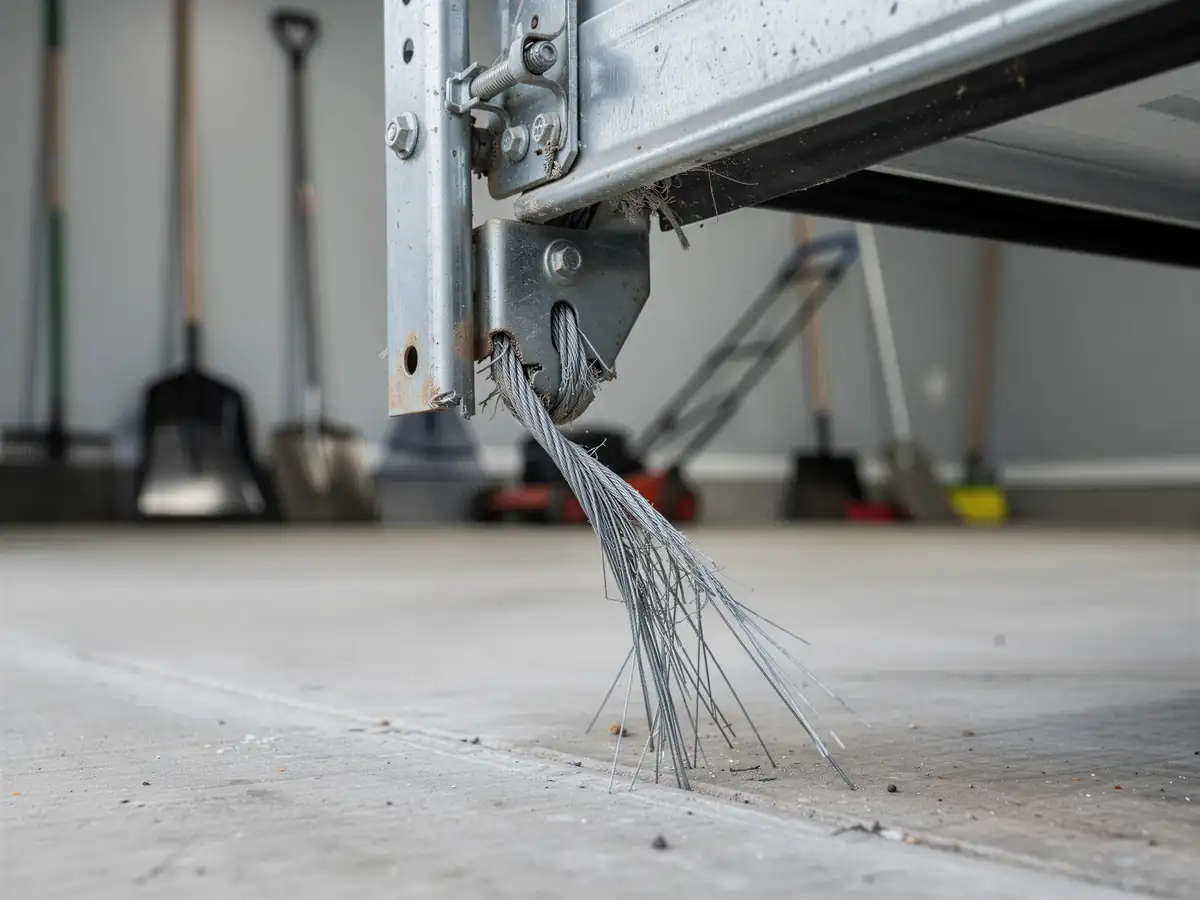
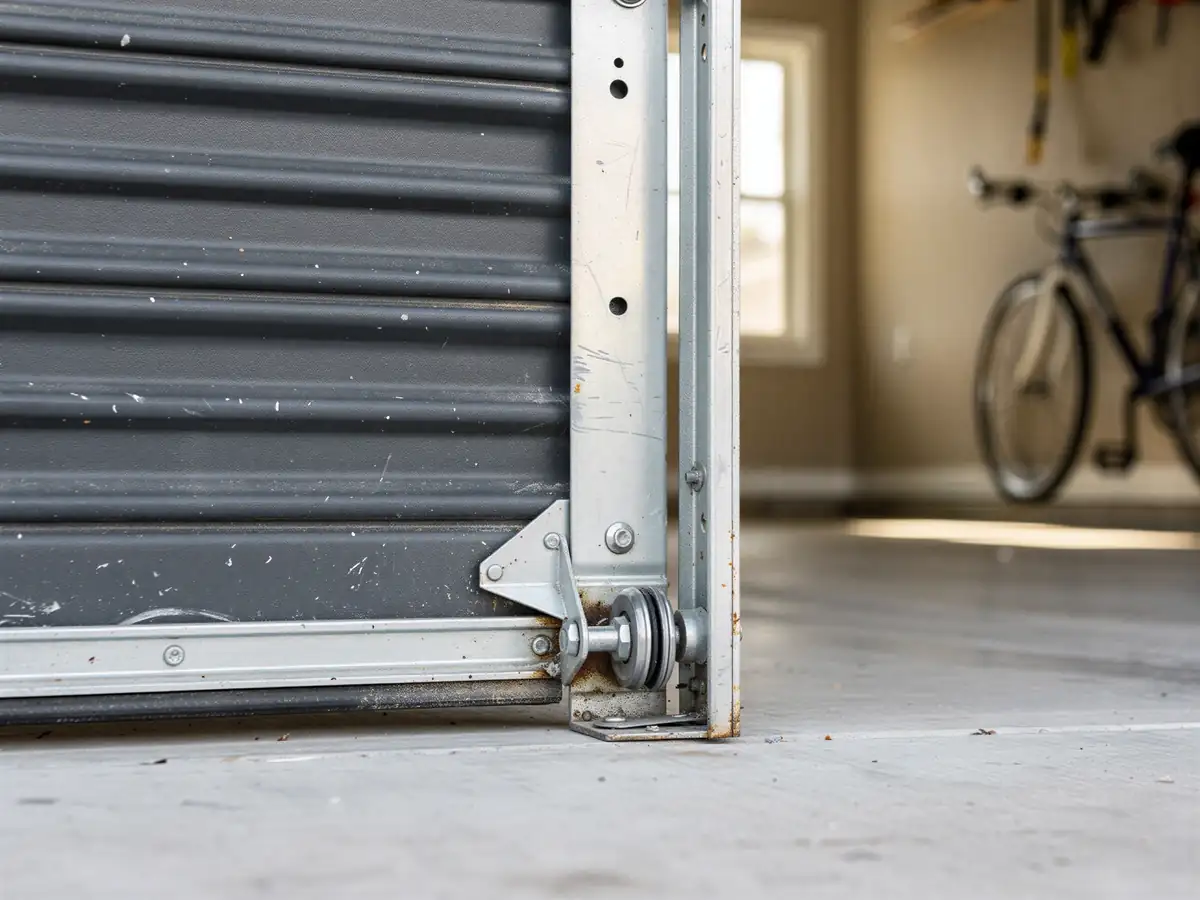
On a door that's been in place since the 1970s build-out of this area, the failure usually isn't dramatic - it's gradual. Springs that have cycled for decades start sagging the door an inch or two when it's down, or the opener strains and groans on lift because it's doing work the spring used to do. Track that was fine for thirty years starts showing surface rust at the bottom sections, especially where moisture collects, and rollers that were steel from the factory get loud before they fail outright. None of that is specific to this address, but it's exactly the profile you'd expect from a door matching the 1977 median build year across this part of the service area - not a brand-new failure mode, just hardware reaching the end of a long, ordinary life. If what you're seeing is a door that won't open at all, that's usually a snapped spring and it's a same-visit fix, not a replacement decision. If it's a door that labors, sags, or has started pulling away from the track, that's worth a look before it becomes an emergency call.
How it works
From “it’s stuck” to “it’s fixed”
01
Tell us what’s wrong
Describe the symptom - won’t open, loud bang, opener runs but the door won’t move.
02
On-site diagnosis
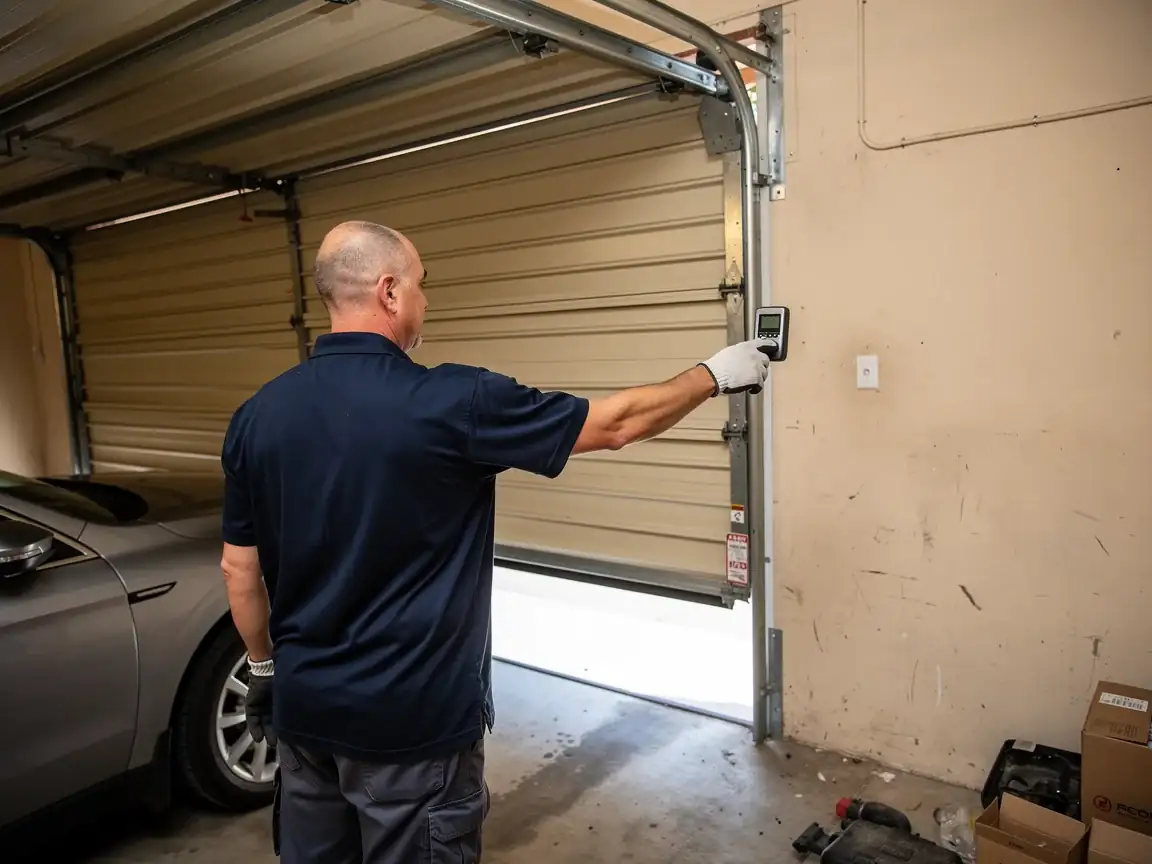
A technician tests the door under power and by hand and finds what actually failed.
03
Clear, up-front plan
You get the fix that’s needed and what drives the cost - before any work starts.
04
Repaired & tested
The repair is done, the door is set true and tested, and the work area left clean.
Not sure which repair your door needs in Norfolk, VA? Describe what it’s doing - every job starts with a diagnosis.
No. The truck comes from Norfolk, about fifteen miles out, and we schedule the trip as one visit - measuring, parts, and install worked out ahead of time rather than guessed at on-site. See /near/poquoson/ for how we cover this part of the service area.
Does a higher household income here change what door I should get?
It changes the math more than the door itself. At the income level typical here, a full replacement often costs less over time than repeated repairs on an aging door, where that calculation looks different in lower-income parts of the service area. We'll run the actual numbers for your door, not a rule of thumb.
Will a new door need extra insulation for this climate?
This area sits in a cold-moderate band, not an extreme climate zone, so insulated panels are a comfort upgrade here rather than something code requires. We'll tell you the real difference it makes to your garage before you pay for it.
How long will a new install take?
A standard size, standard hardware install is usually a one-day job. What stretches it is a non-standard opening or a special-order panel style, which is supplier lead time, not labor time - we'll tell you which situation you're in before you book.
Ready to get your garage door sorted?
Tell us what it’s doing and where you are in Norfolk - we’ll take it from there.