Stocked Parts
A lot of Poquoson sits on housing stock that went up through the 1970s
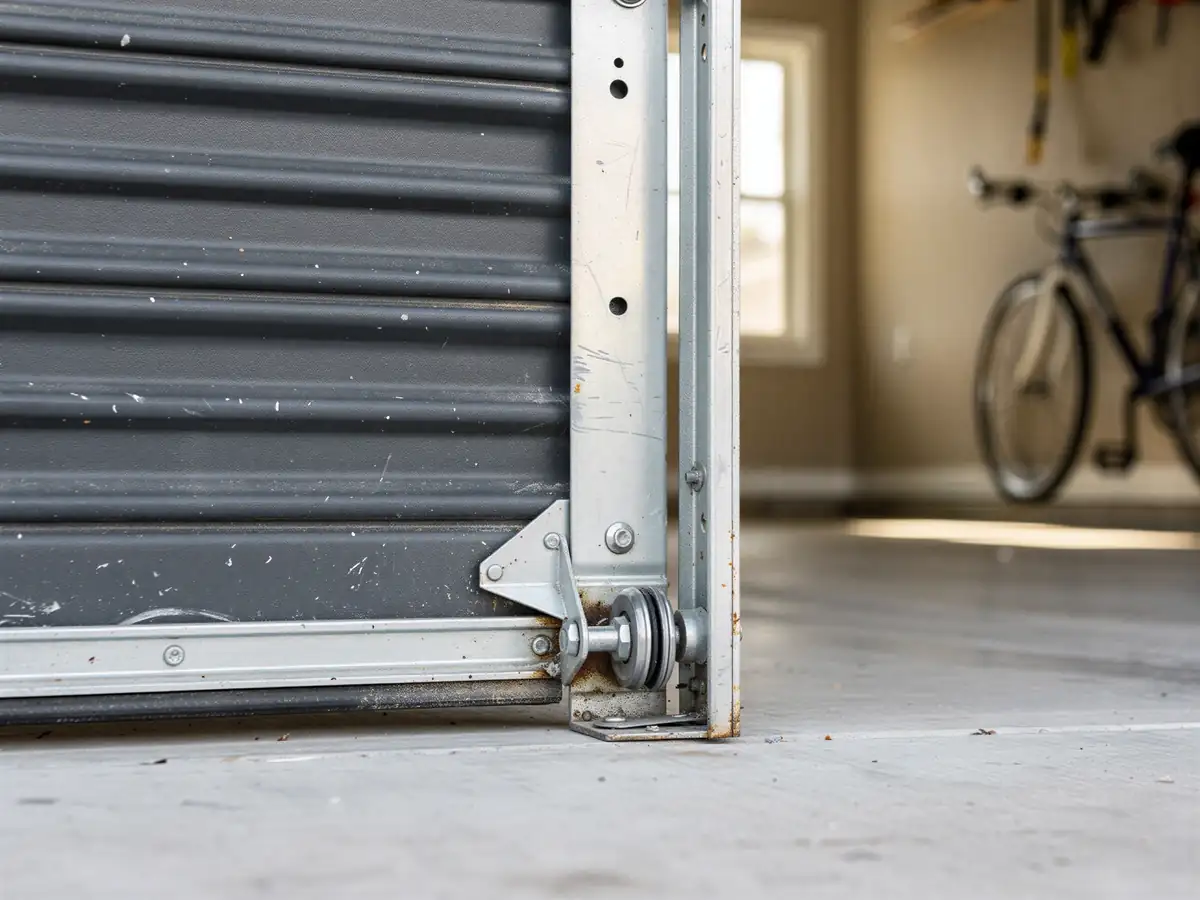
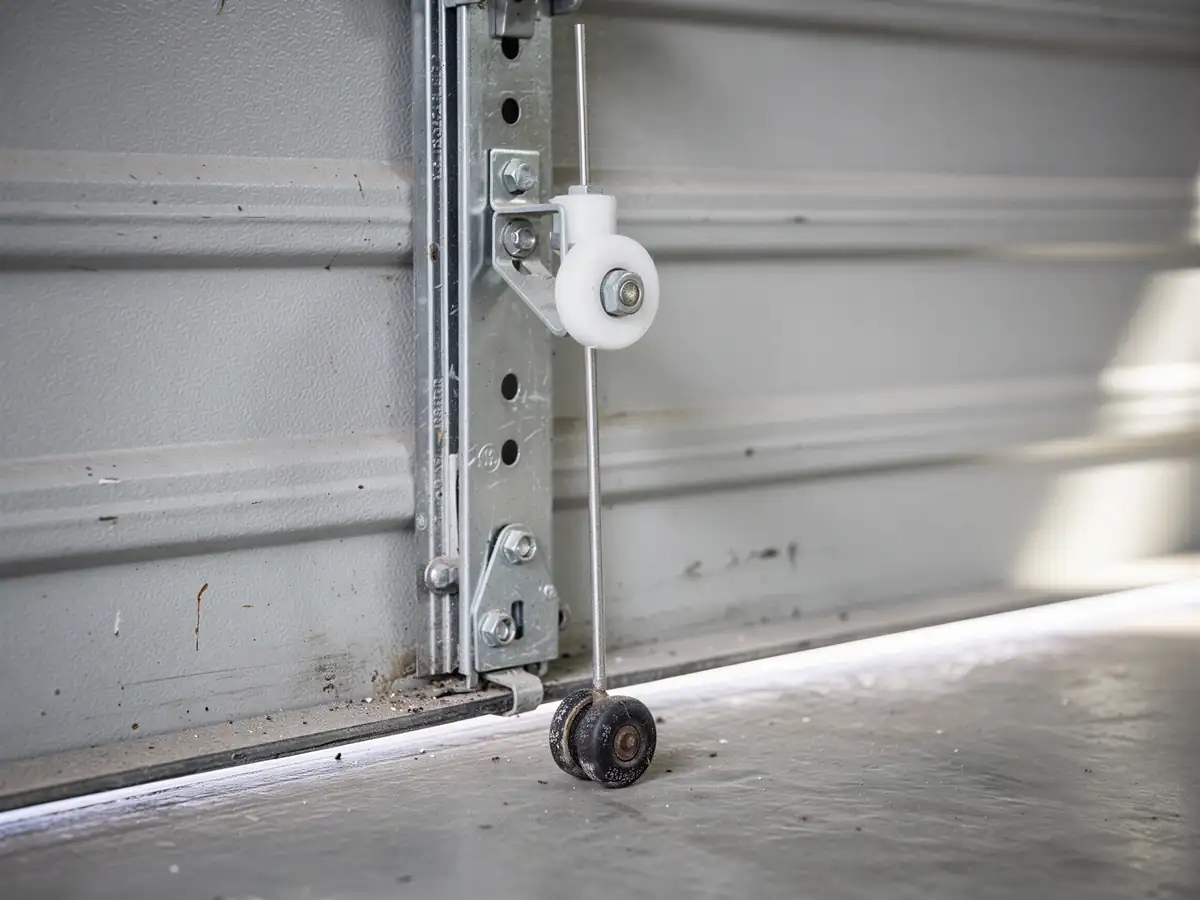
With the median build year landing around 1977. Doors from that era shipped with plain steel rollers riding in steel track - no nylon, no sealed bearing, just a steel stem and a hinge plate. That hardware works fine for a decade or two, then the roller wheel itself wears a flat spot and starts hammering the track every time the door moves.
We carry sealed 10-ball nylon rollers on the truck in the stem lengths that match 1960s-70s track widths
Since that's what most of the doors out this way were built around. We also carry the short-stem steel rollers for the rare case where a homeowner wants to match original hardware rather than upgrade it. What we don't carry is every obscure stem length for custom or commercial track - if a door turns out to need something unusual, that's a return trip, not a same-visit fix, and we'll tell you that up front rather than guess.
How We Fix It
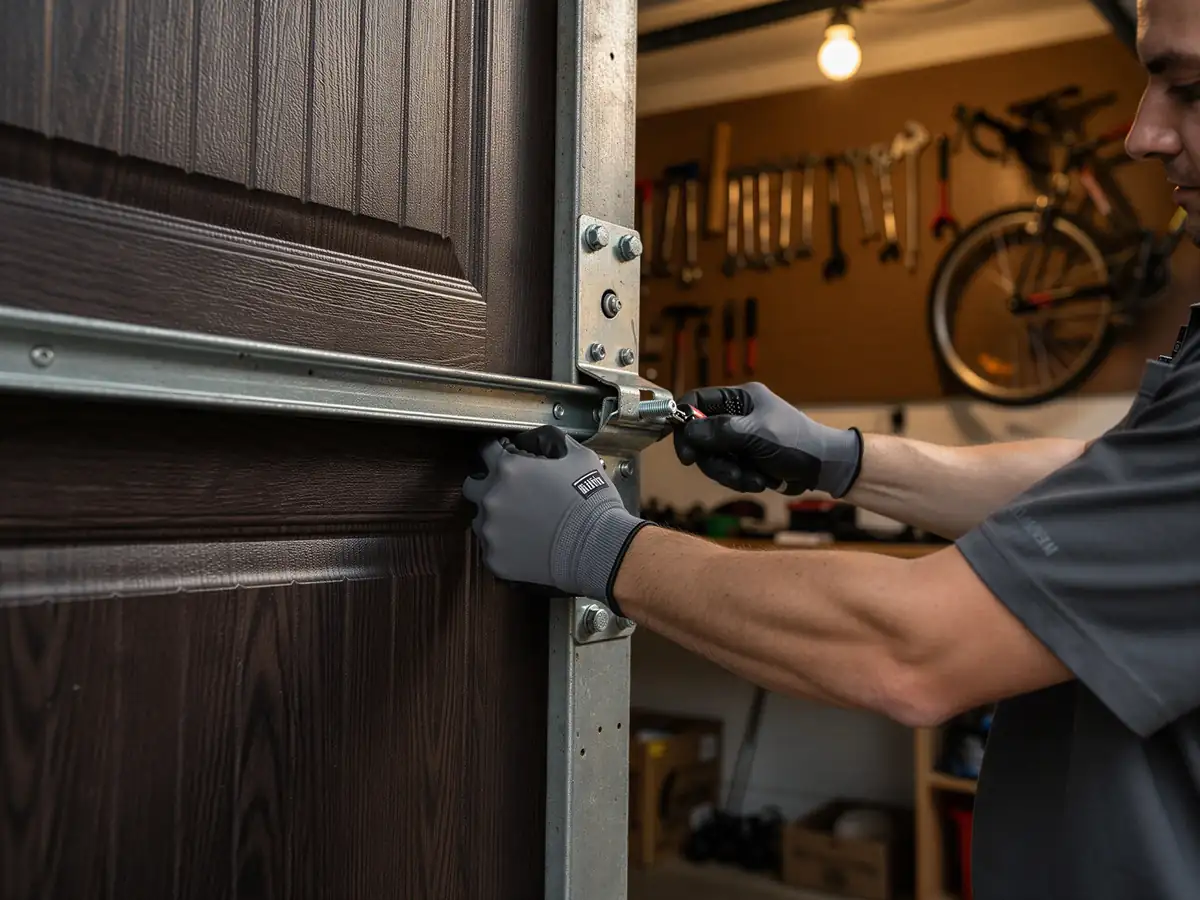
Roller replacement on a door this age is usually a track job, not a spring job. We release tension on the door, pull the roller out of its track channel one hinge at a time, and swap the roller without pulling the whole door apart. On most 1970s doors the retainer brackets are original steel too, and those often get replaced along with the rollers since the bracket holes have usually worn oval from forty-plus years of the same roller riding in the same spot.
If the track itself is bent - which happens more on the bottom roller near the floor, where a car bumper or a dropped bike pedal does the damage - we straighten or replace that section before the new roller goes back in. A new roller in a bent track just wears the same way the old one did, faster. That's the one call we make on-site that changes the job: rollers alone, or rollers plus a section of track.
How Long You Are Without the Door
A straight roller swap on a single door, all rollers replaced in one visit, doesn't put the door out of service for long - it's hinge-by-hinge work with the door supported, not a teardown. The door goes up and down on the old rollers right up until each one is pulled, so you're never standing there with an open bay and no way to close it.
Where it runs longer is if we find the track bent beyond a quick adjustment, or if one of the original steel rollers has worn its bracket enough that the bracket needs replacing too - common on doors from the 1970s that have never had the rollers touched. That adds time on-site but it's still a same-visit repair in most cases. The one thing that stretches it past a single visit is a non-stock track width, which we carry on the truck from Norfolk, roughly fifteen miles out, so if what's needed isn't on board it means a second trip rather than a wait at the house.
What You Are Seeing
The classic sign on a house this age is noise that's gotten steadily worse over months
Not something that started overnight - a grinding or clunking as the door travels, loudest right where a worn roller hits the bend in the track near the top. Steel rollers develop flat spots as the metal wears, and a flat spot thumps once per rotation, so the noise has a rhythm to it that a smooth roller doesn't make.
In a cold-moderate climate like this one, grease on an old steel roller stem stiffens in winter
And a door that runs fine in August can start sticking or jerking at the bottom of the track by January, even with nothing mechanically broken yet. That stiffness is often the first warning before a roller actually fails. If you're also seeing the door catch and jump rather than slide, or small metal shavings at the base of the track, those rollers are past due - worn steel sheds metal before it finally lets go.