The Complications
Portsmouth is its own size problem, not a small add-on to Norfolk
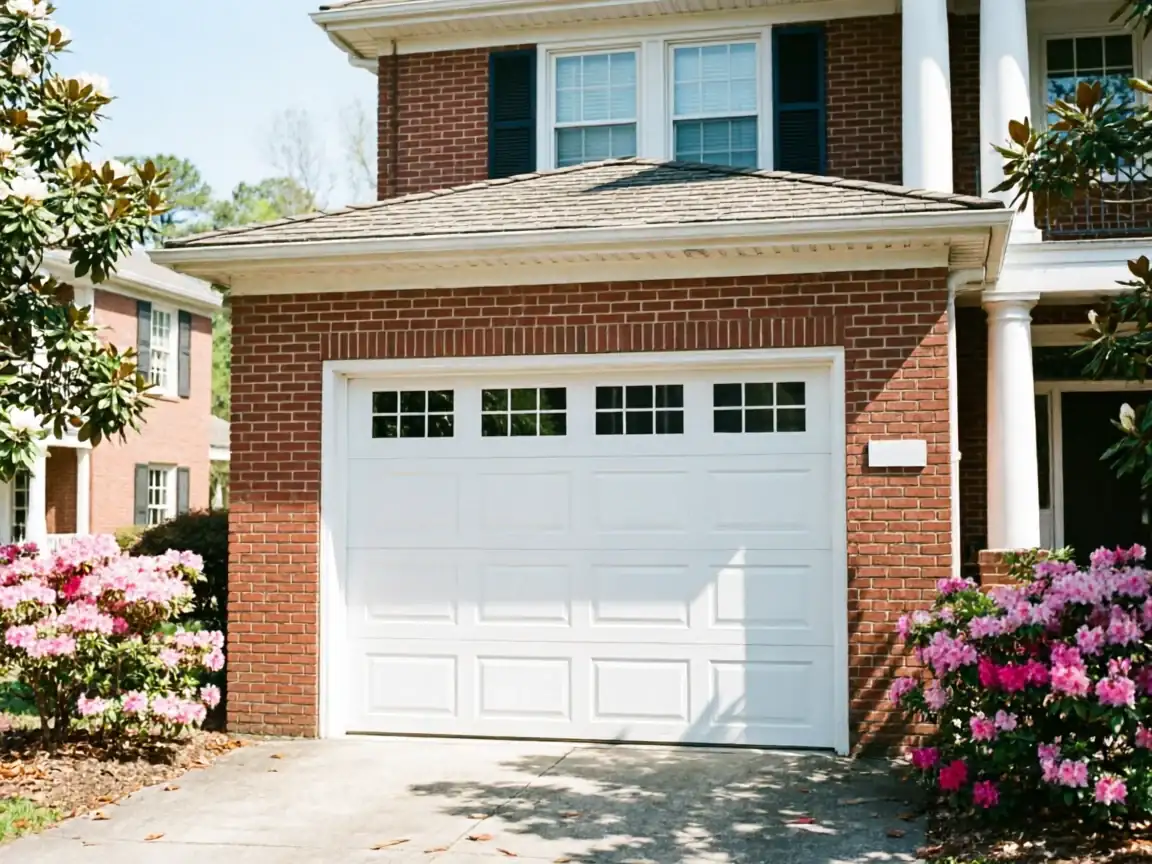
With 39,678 households, you're looking at a town large enough to have its own patterns of wear, not a handful of driveways we swing by on the way somewhere else. Most of those houses were built around 1966, which means a lot of garage doors here are either the original units or a first replacement from decades back, paired with hardware nobody stocks on the truck as a default anymore.
- 39,678 households
The complication isn't finding a part - it's knowing which part
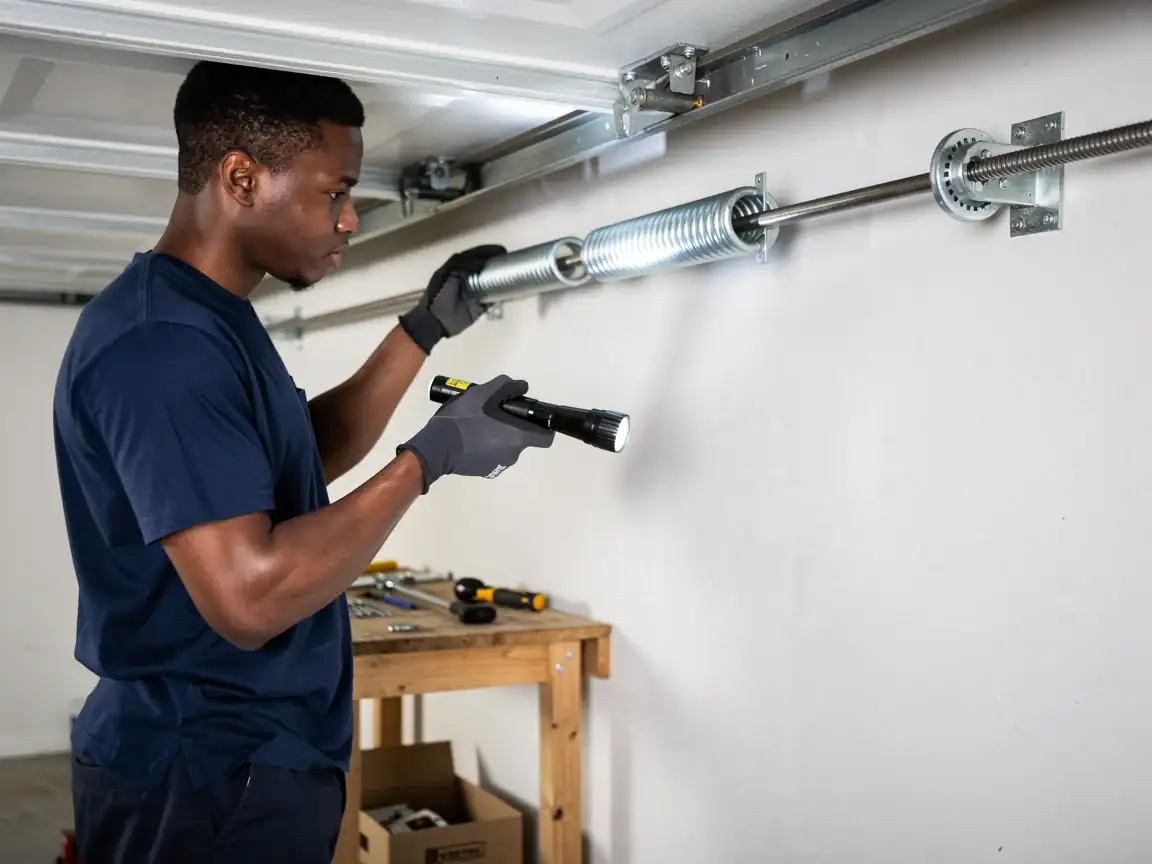
A door from 1966 construction might still have its original torsion spring sized for a lighter panel, or it might have been swapped out in the '90s for something that doesn't quite match the track. We carry a range of common spring sizes and cable gauges because guessing wrong on an emergency call means a second trip, and nobody wants that when the door's stuck shut over the car.
We're honest about one limit here
If your opener or track hardware is a discontinued model from that era, we may need to order the exact part rather than swap it on the spot. We'll tell you that on-site rather than stringing you along.
Booking a Visit
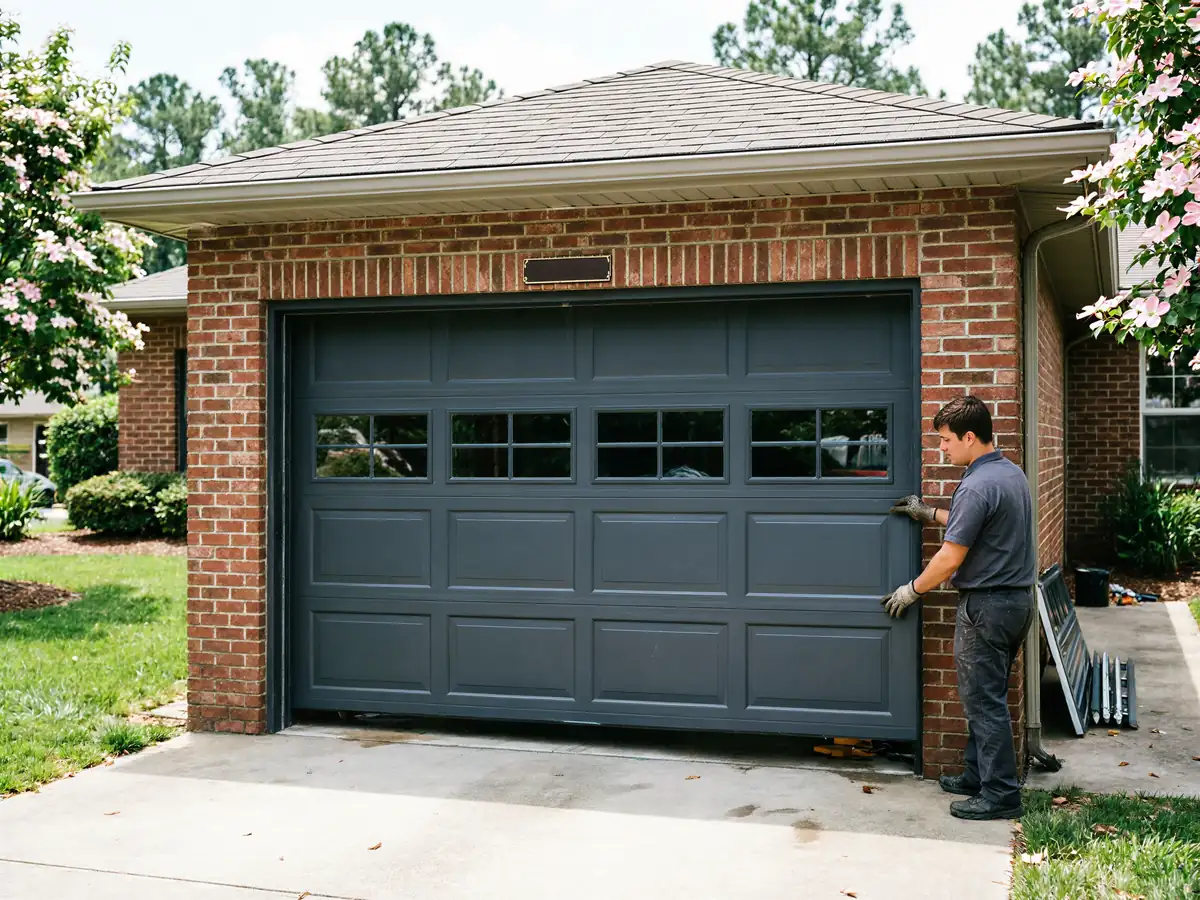
We run this call from Norfolk, 8 miles from Portsmouth, so when you call for an emergency, we're not starting from across town - we're starting from the next town over. That distance matters less for timing promises (we don't make response-time guarantees we can't back with local facts) and more for what we bring: knowing that an 8-mile run means loading the truck for 1960s hardware before we ever leave the yard.
Tell us what you're seeing when you call - door won't move, opener runs but nothing happens, cable hanging loose, door stuck halfway. That detail helps us bring the right spring size and the right tools instead of showing up and diagnosing from scratch. If you can, check whether anyone's tried the manual release or the wall button already; it saves time once we're there.
If your situation isn't actually an emergency - a noisy roller, a door that's just slow - we can still take the call, but we'll be upfront if it makes more sense to schedule you for a regular visit instead of treating it like a lockout.
What You Are Seeing
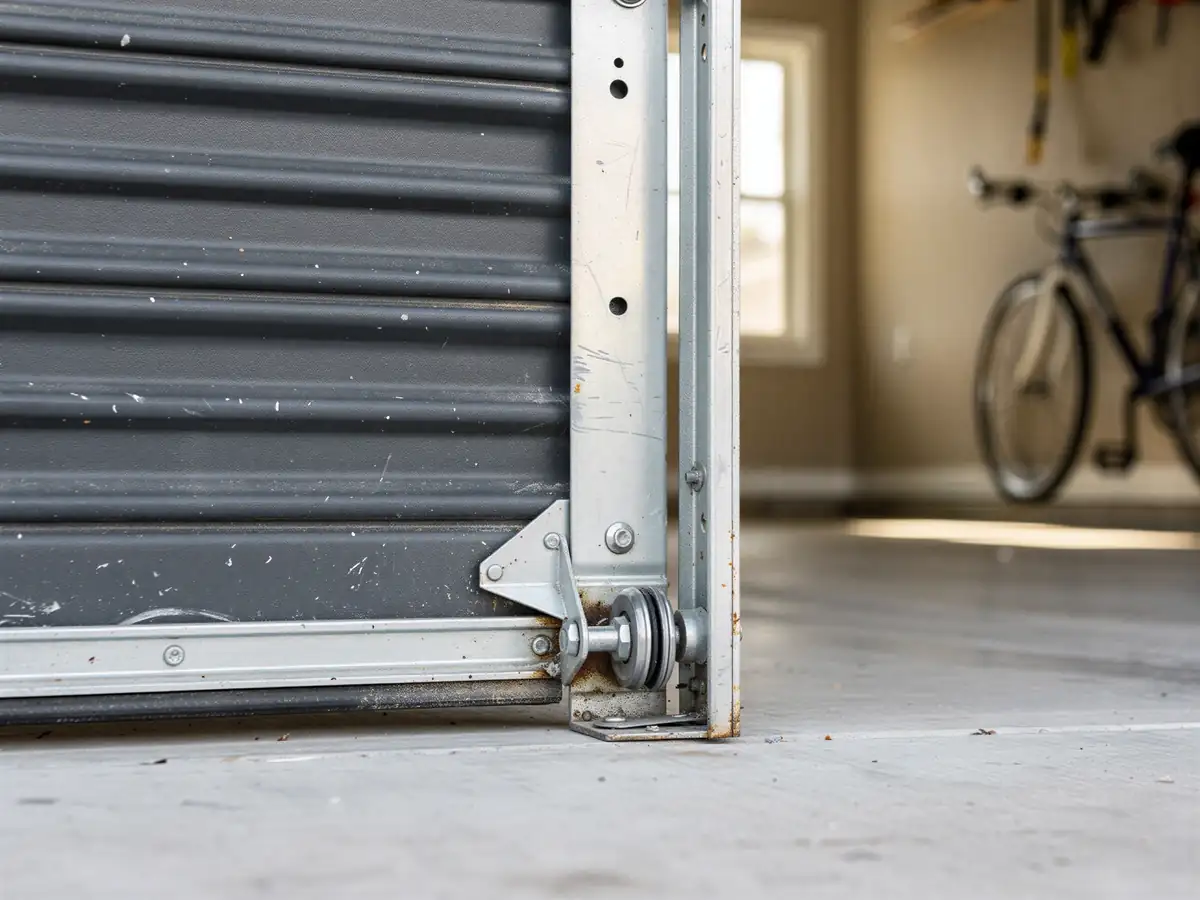
A door that won't lift at all, with the opener motor humming but the door not moving, is almost always a broken torsion spring - common on doors from the 1966-era stock where the spring has simply outlived its cycle count. A door that lifts a few inches and reverses is usually a safety sensor misaligned or blocked, not a spring issue, and that's a five-minute fix most of the time.
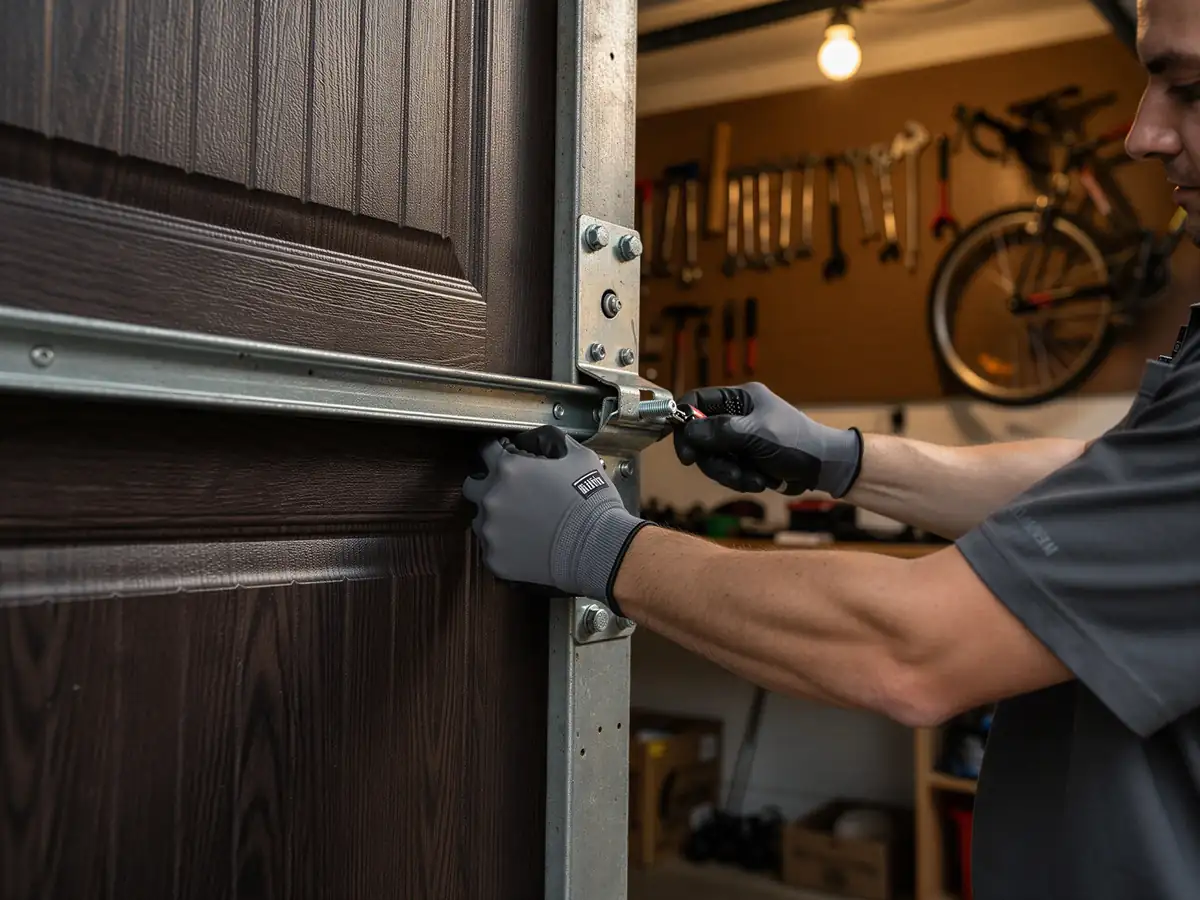
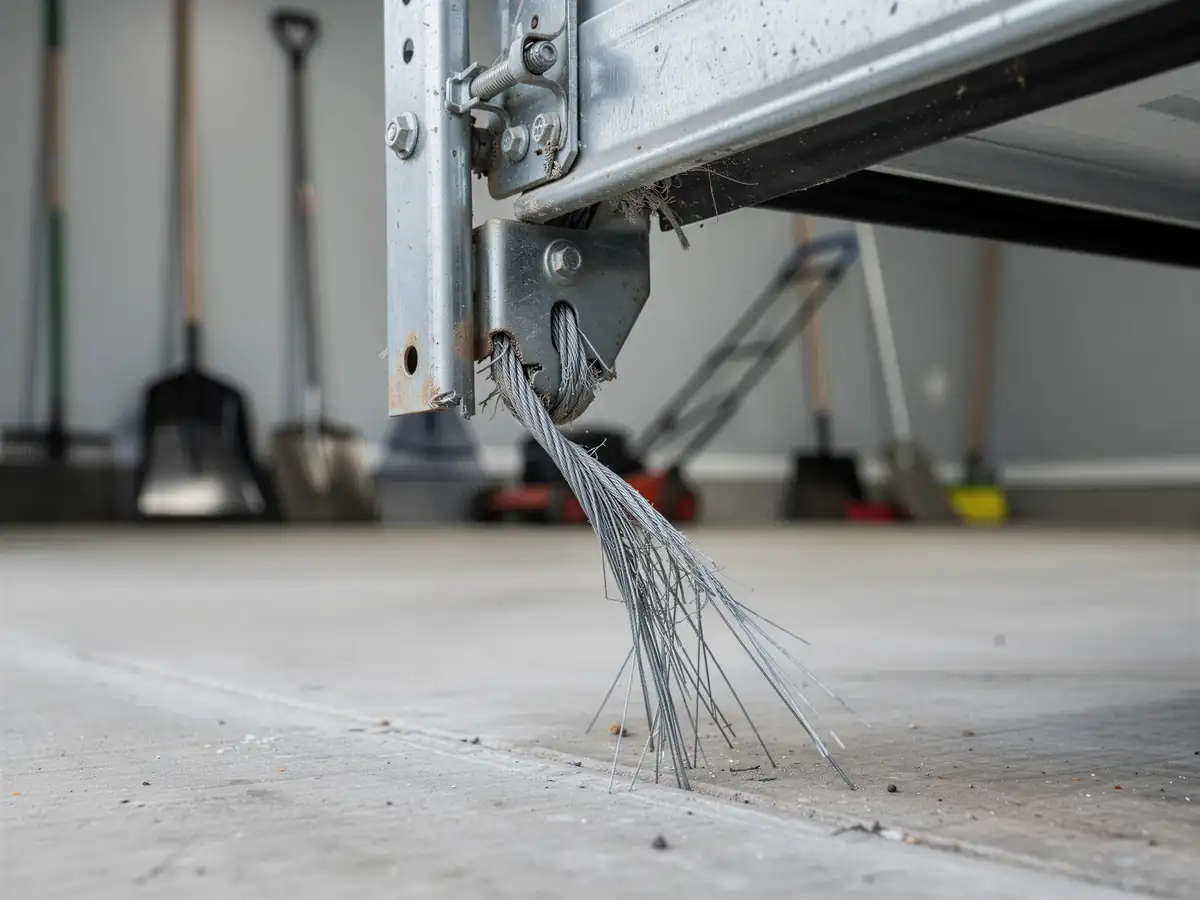
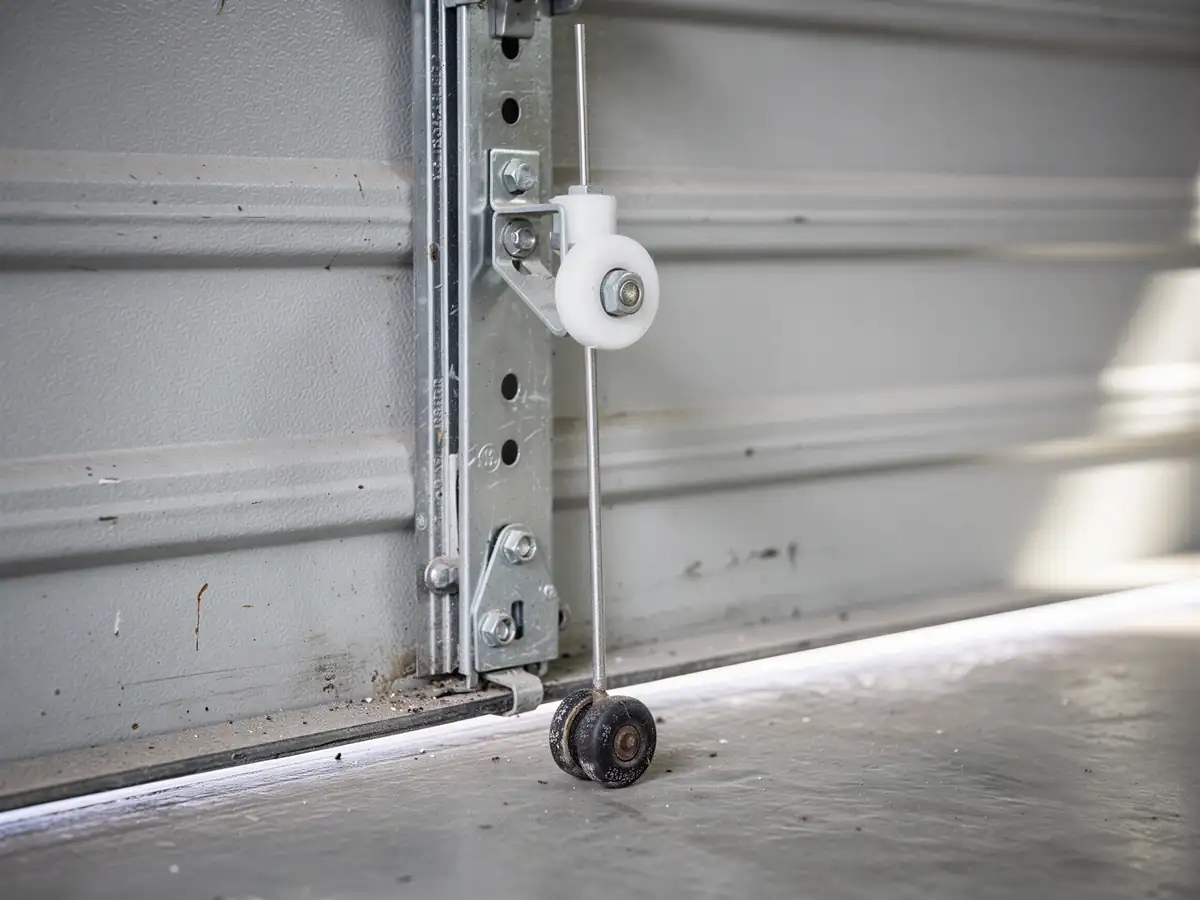
Cables hanging slack on one side of the door, with the door hanging crooked, point to a snapped cable or a cable that's jumped the drum - don't force the door further, since that can bend the track. A door that's completely silent, no motor noise at all, often comes down to the opener itself rather than the door, which is a different repair than a spring or cable job.
If the door is off its track entirely, stop trying to move it by hand. On older one-piece or sectional doors common to this build era, forcing a door back onto a bent track usually turns a repair into a replacement.
Why It Happens Here
Houses in Portsmouth mostly date to around 1966
Putting a lot of garage doors and openers at an age where springs have cycled well past their rated lifespan and original hardware is harder to source than it was. That's the mechanical story behind most of the emergency calls we see from this part of the service area.
The economics matter too
Portsmouth's median household income runs around $58,972, noticeably below the broader service area figure near $89,945, and that gap shows up in repair decisions - more owners here are stretching a door's working life rather than replacing early, which means more springs and cables running right up to failure instead of being swapped out ahead of time.
Across the wider service area, housing generally dates from the mid-1960s to late 1970s
And that broader pattern of aging stock is part of why hardware mismatches and worn parts are a routine call, not a rare one, wherever we're dispatched.