The Complications
Portsmouth's housing stock centers on 1966
The early edge of the 1966-1977 window that covers the wider service area we work in. That matters for panel work because a door built right at the start of that run often carries hardware and panel profiles that got phased out a few years later. When a Norfolk job from 1974 needs a panel, there's a decent chance a near-match exists on a newer design. When a Portsmouth job needs a panel off a 1966 door, we're hunting the older end of that production run, and the match gets tighter.
The other complication is money, not metal
Median household income in Portsmouth runs $58,972, well under the $89,945 figure for the broader service area. That gap shows up in the phone call: more owners here ask us to replace the single dented or rusted-through panel instead of swapping the whole door, because a full door isn't in the budget and the other three panels are still sound. We'll tell you straight when that math doesn't work - if the track is bent or the remaining panels are thin enough to flex, a single panel swap just buys you a second call.
Booking a Visit
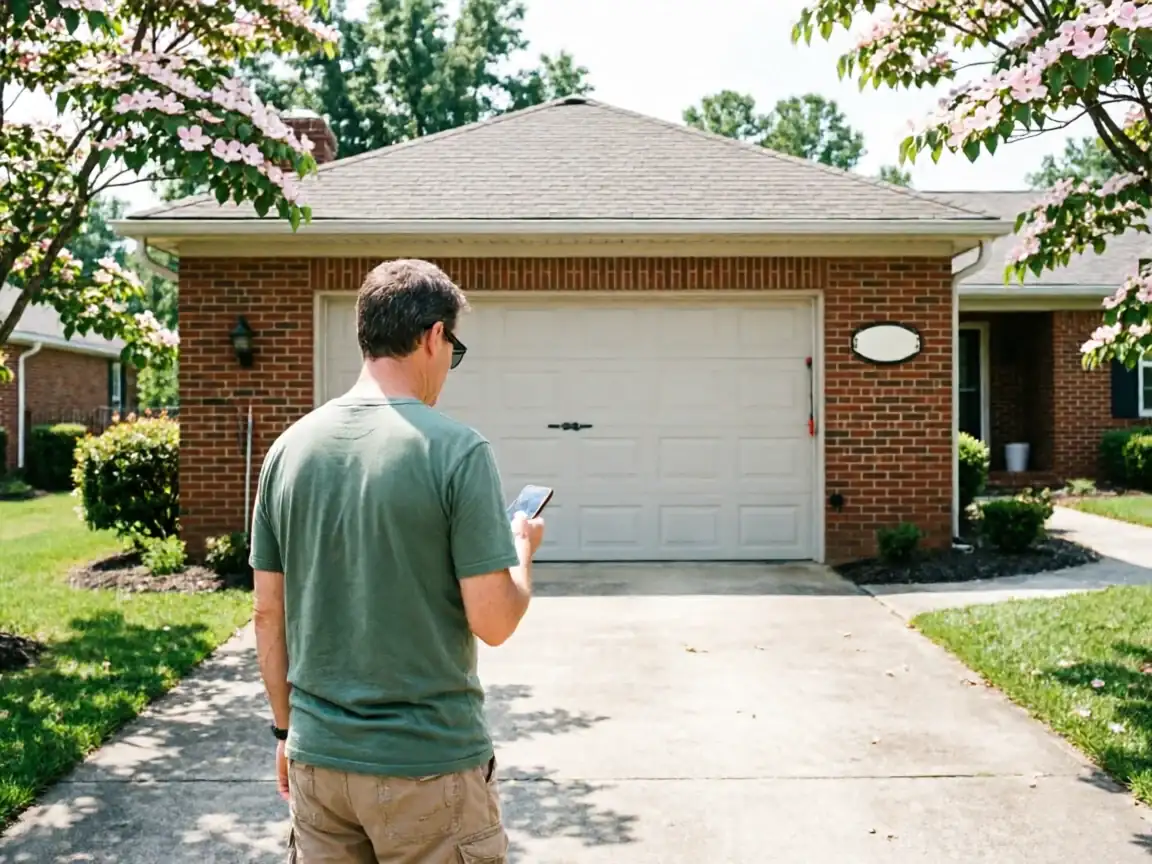
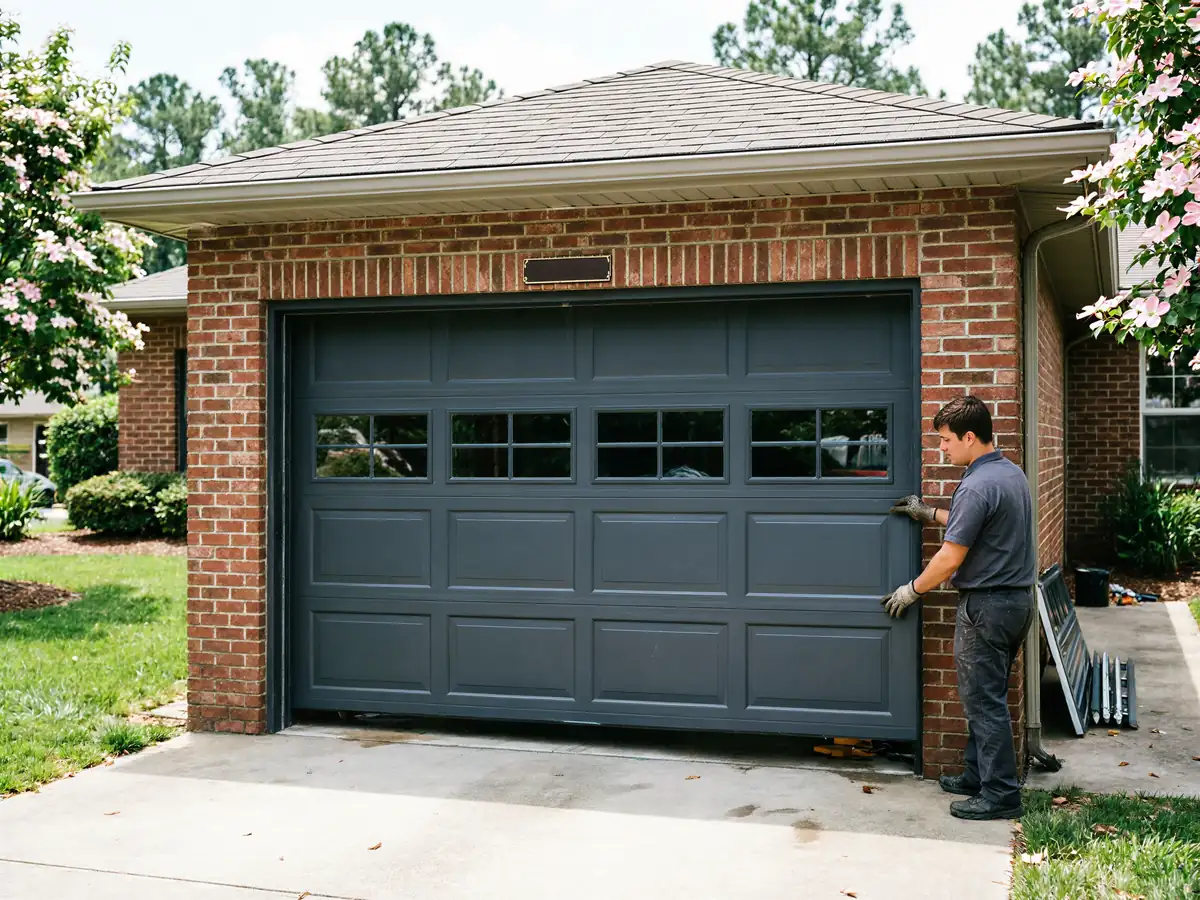
We run this job out of Norfolk, about eight miles out to Portsmouth, so there's no walk-up counter here and we're not pretending otherwise. What we need before we drive out: the door's brand and model if it's on a sticker inside the top panel, a photo of the damaged section, and the width of the door - single or double. That's usually enough to pull a near-match panel before we're on site, which saves a second trip.
If the panel is a style we can't source new, we'll say so on the call, not after we've driven out. Some older galvanized steel sections from this era are no longer made in the original rib pattern, and in that case the honest answer is a full door rather than chasing a part that doesn't exist anymore.
What You Are Seeing
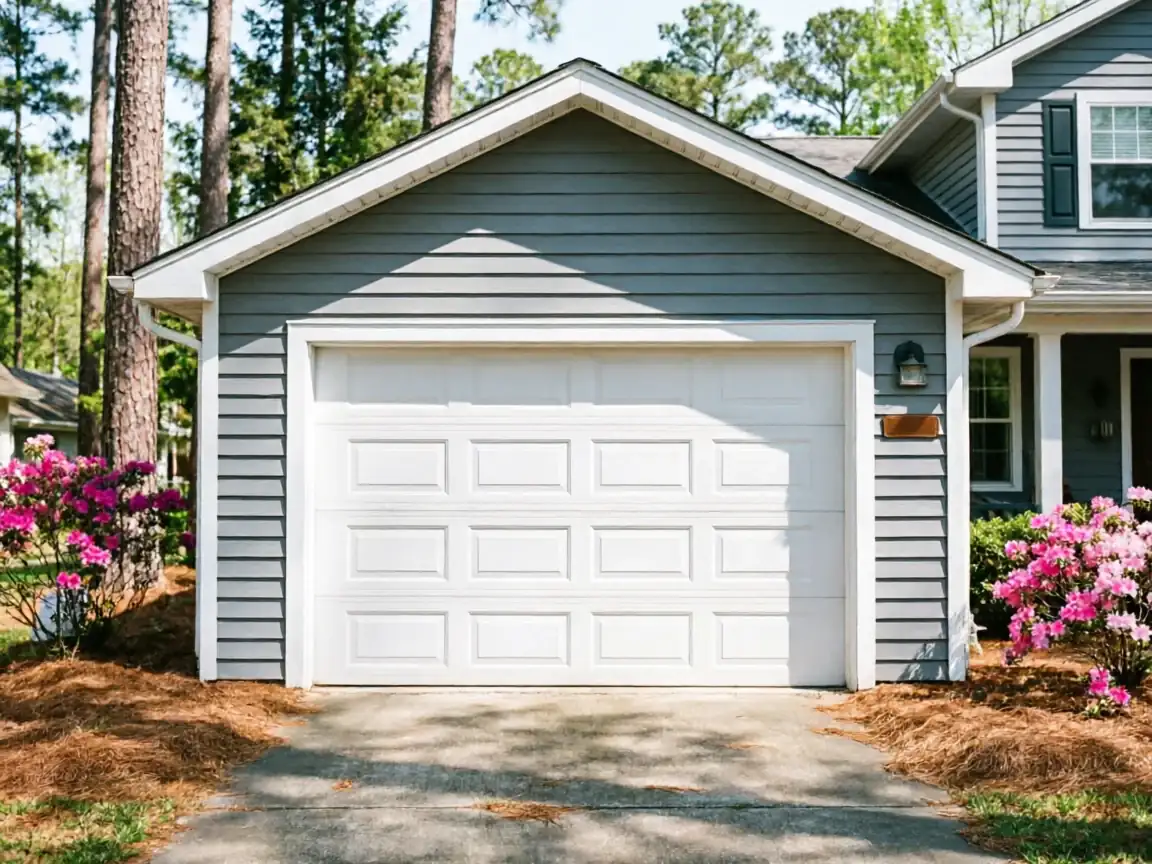
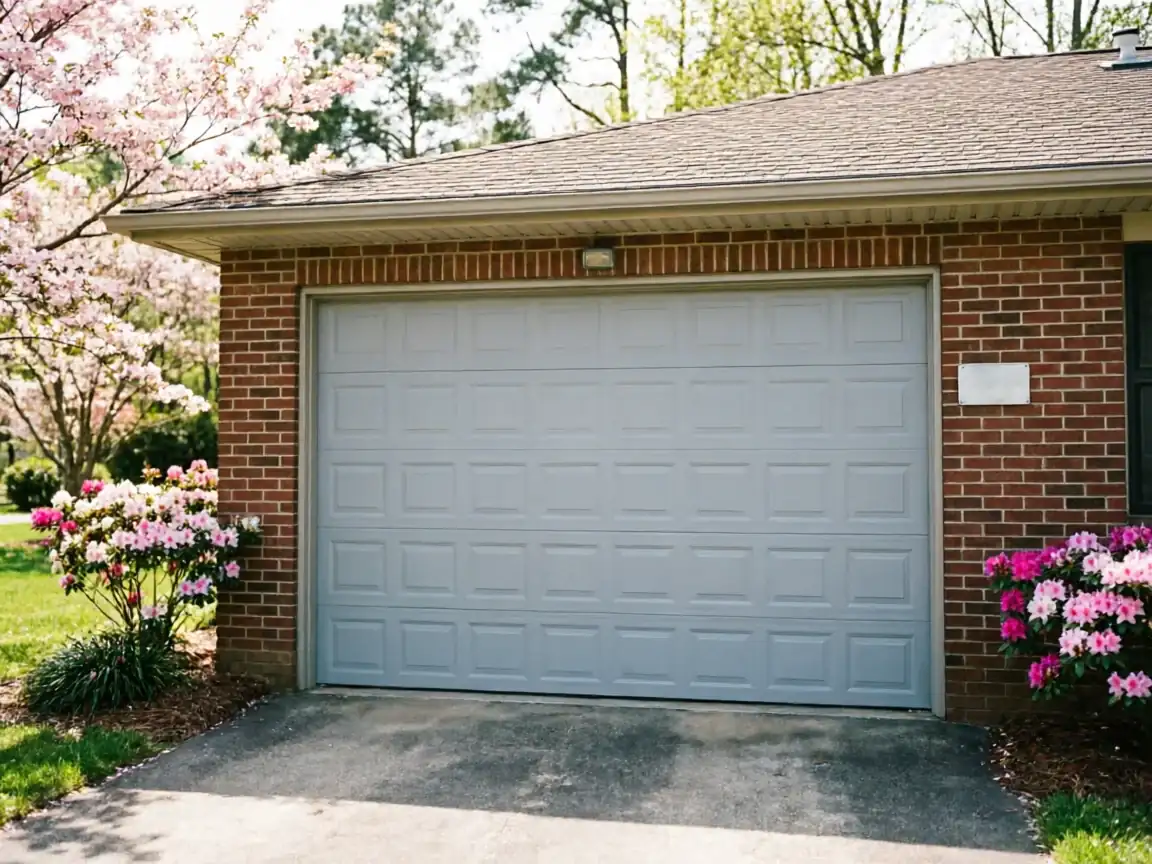
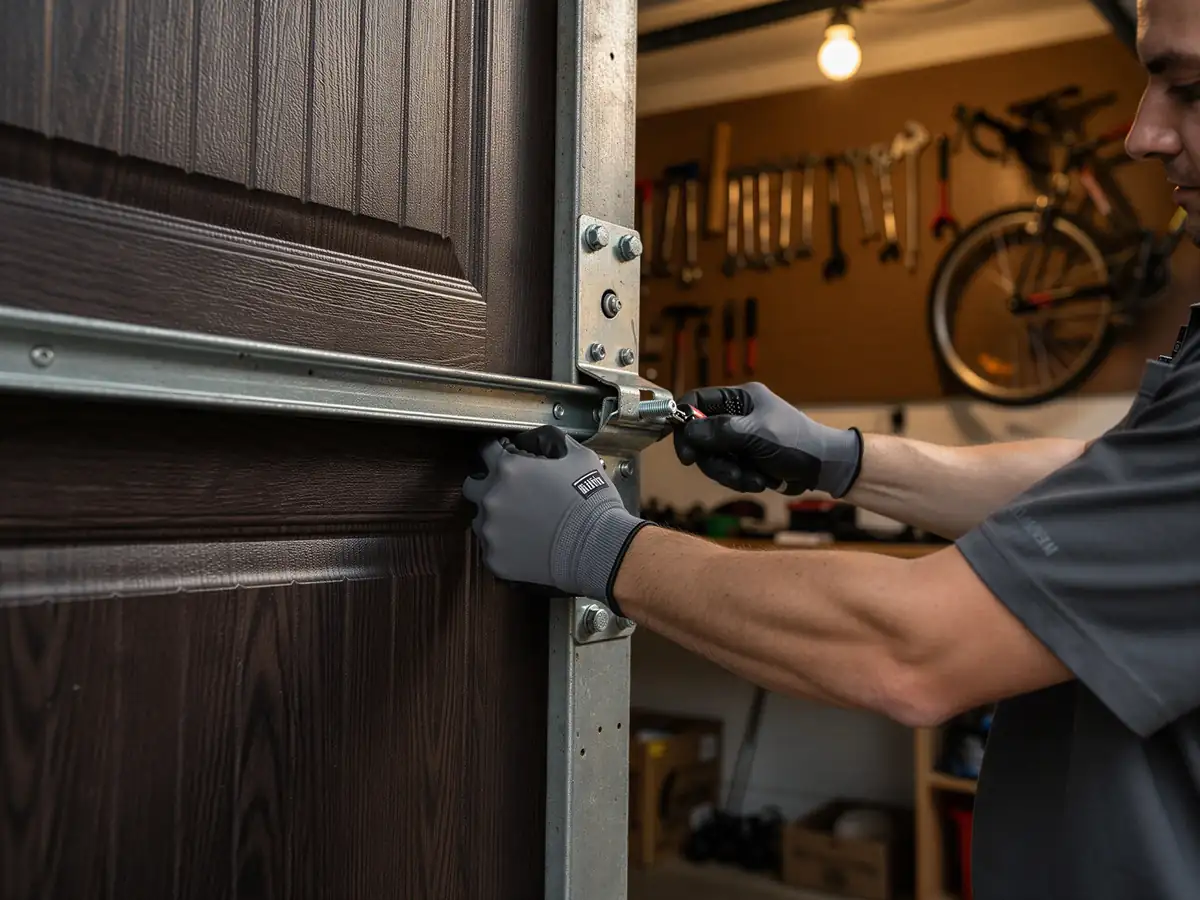
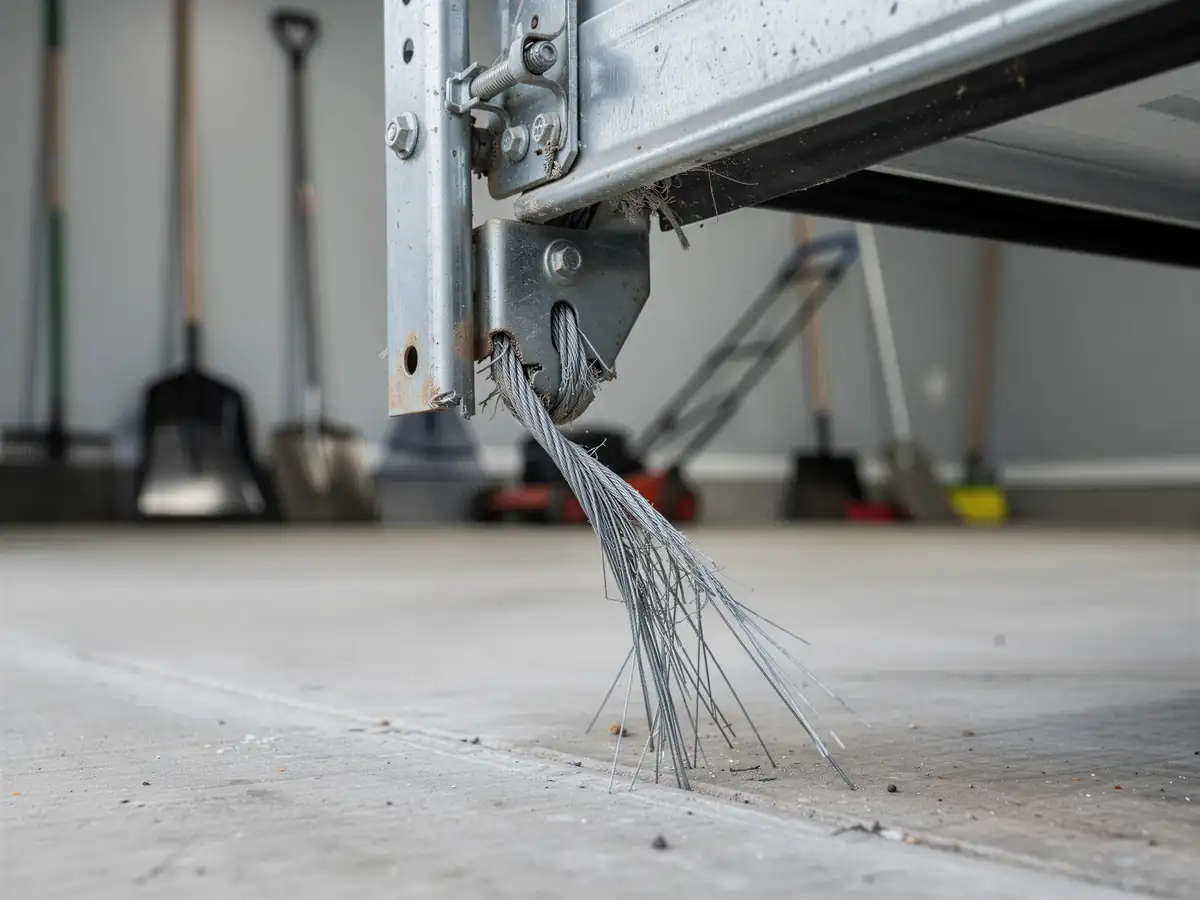
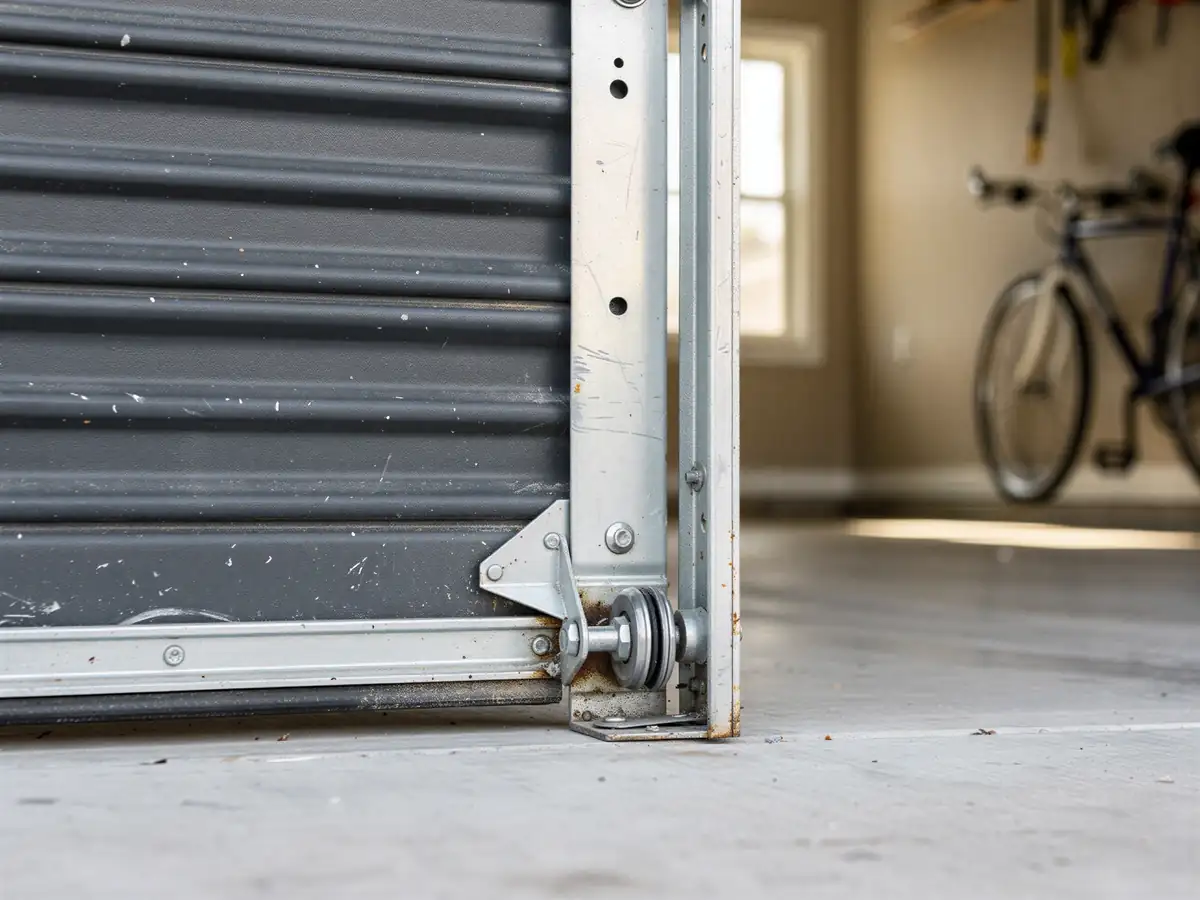
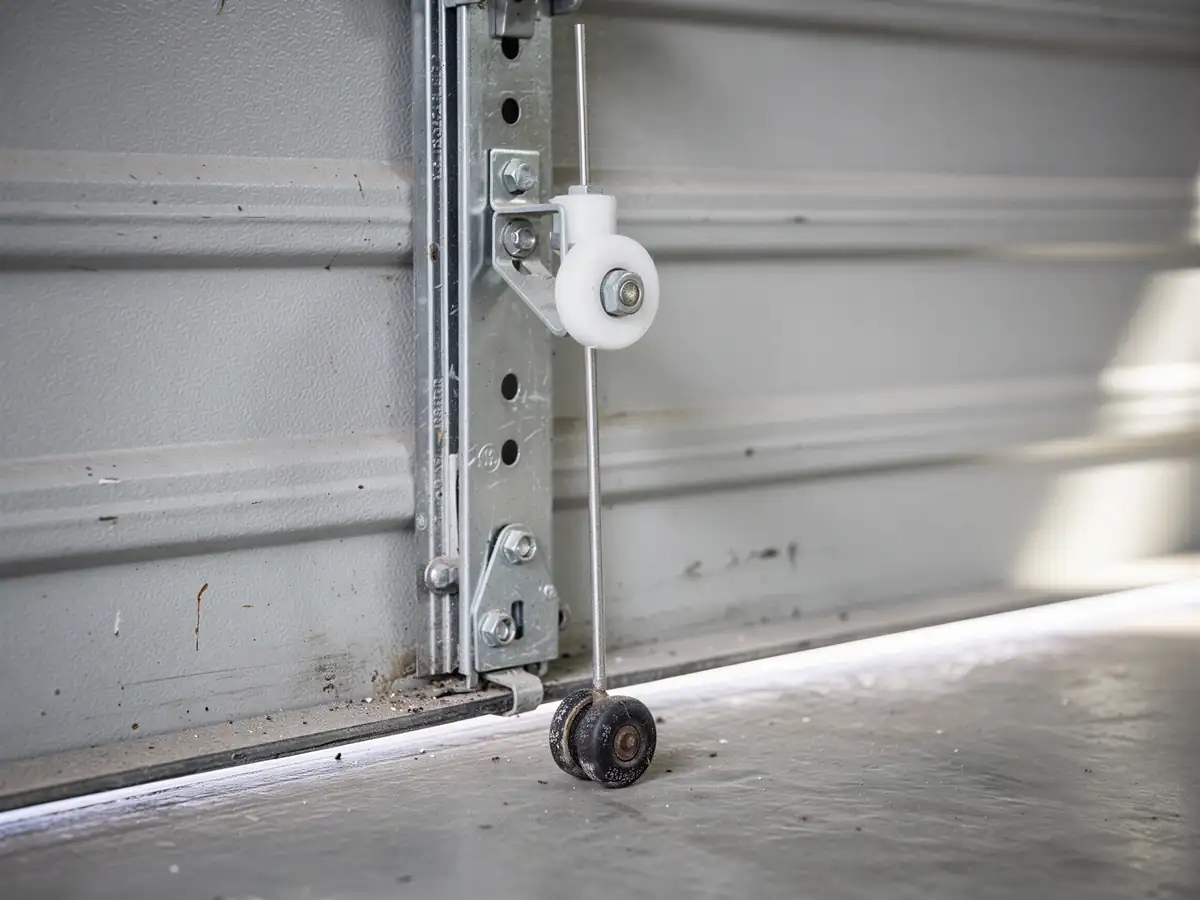
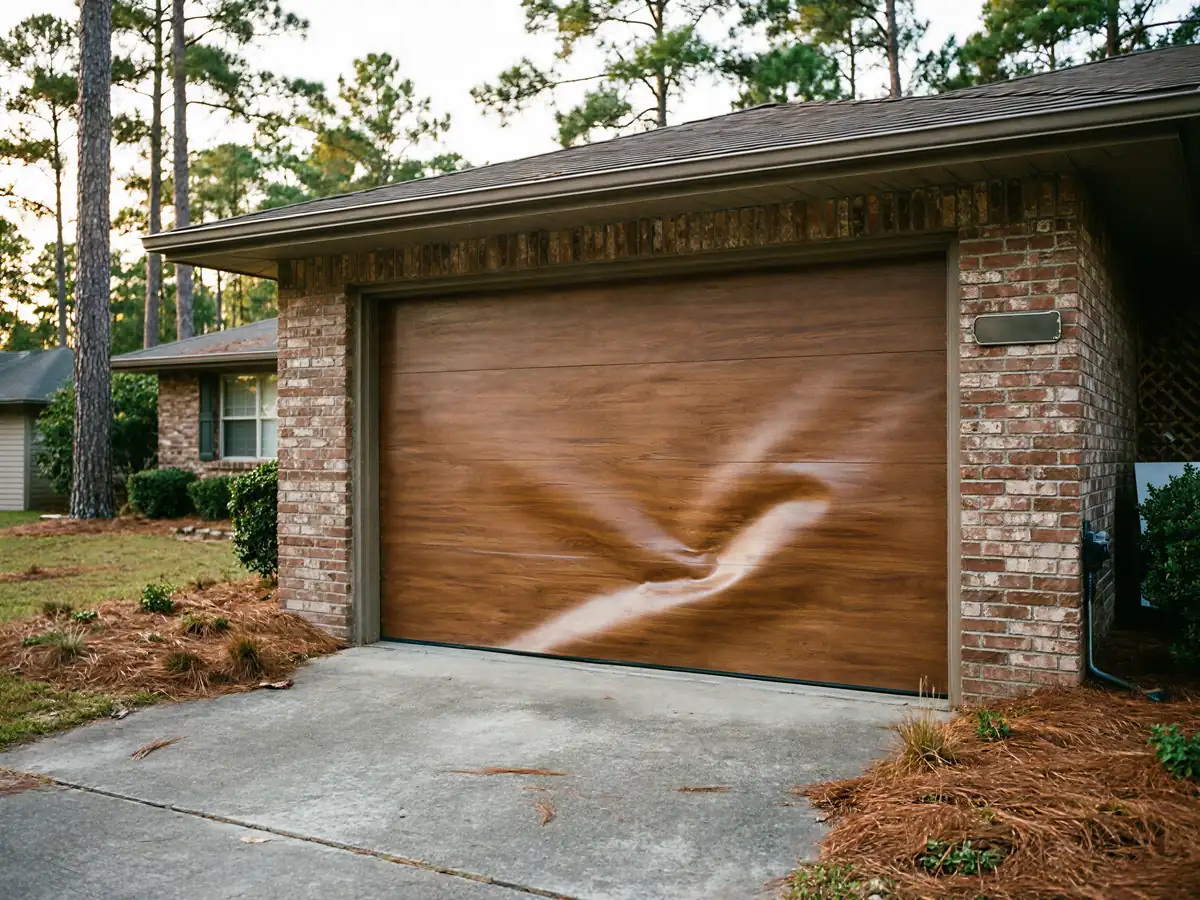
On a 1966-era door, panel failure usually looks like rust blooming from the bottom edge up, or a crease across one panel from a backed-into bumper rather than wear. These doors were built before foam-core insulation was standard, so the steel is thinner and dents stay dented - no spring-back like on a newer insulated panel. If you're seeing daylight at a seam that used to be tight, that's the panel warping, not just cosmetic damage, and it usually means the section is pulling away from the roller bracket.
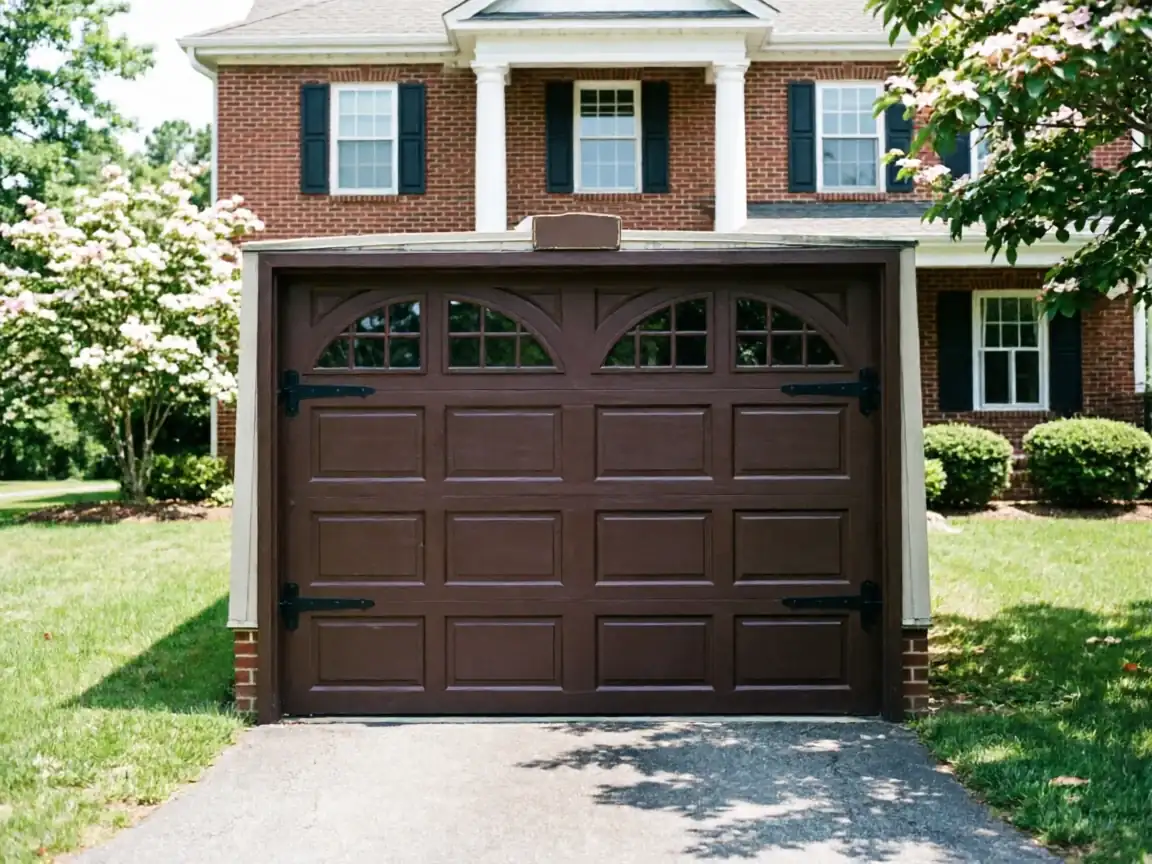
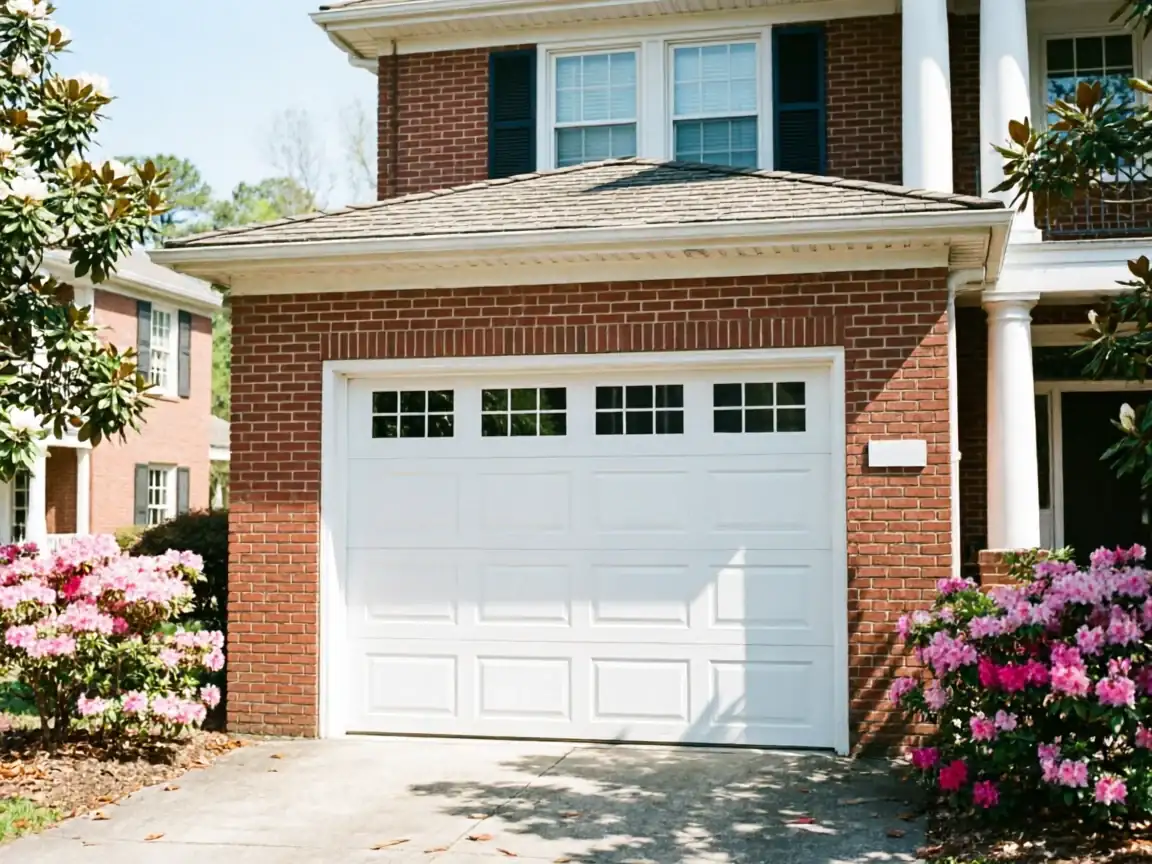
We also see mismatched panels from a previous owner's repair - a panel in a slightly different shade or rib spacing, bolted in because it was close enough at the time. We can usually true that door up properly, but if the original run is long discontinued, a perfect match isn't always on the table, and we'll tell you that before we quote anything.
Why It Happens Here
Portsmouth sits in a cold-moderate climate band
Which means these panels have gone through decades of freeze-thaw cycling on the seams and fastener holes. On steel from the 1966 era, that cycling is what turns a small scratch into a rust line down the panel - moisture gets into the seam, freezes, expands the gap, and the next season it's worse. It's slow, which is why most owners don't notice until a panel is visibly bowing or flaking at the bottom.
The service area as a whole has 18,776 owner-occupied houses out of 44,335 households
And a good share of those owner-occupied homes are the same vintage as Portsmouth's. That's not unique to this town, but it does mean the panel we're sourcing for you is a problem we've priced before - just not one we can promise still exists in the original rib pattern.
- 18,776 owner-occupied
- 44,335 households