The Complications
Most of the garage doors we see in Portsmouth went in when the house did
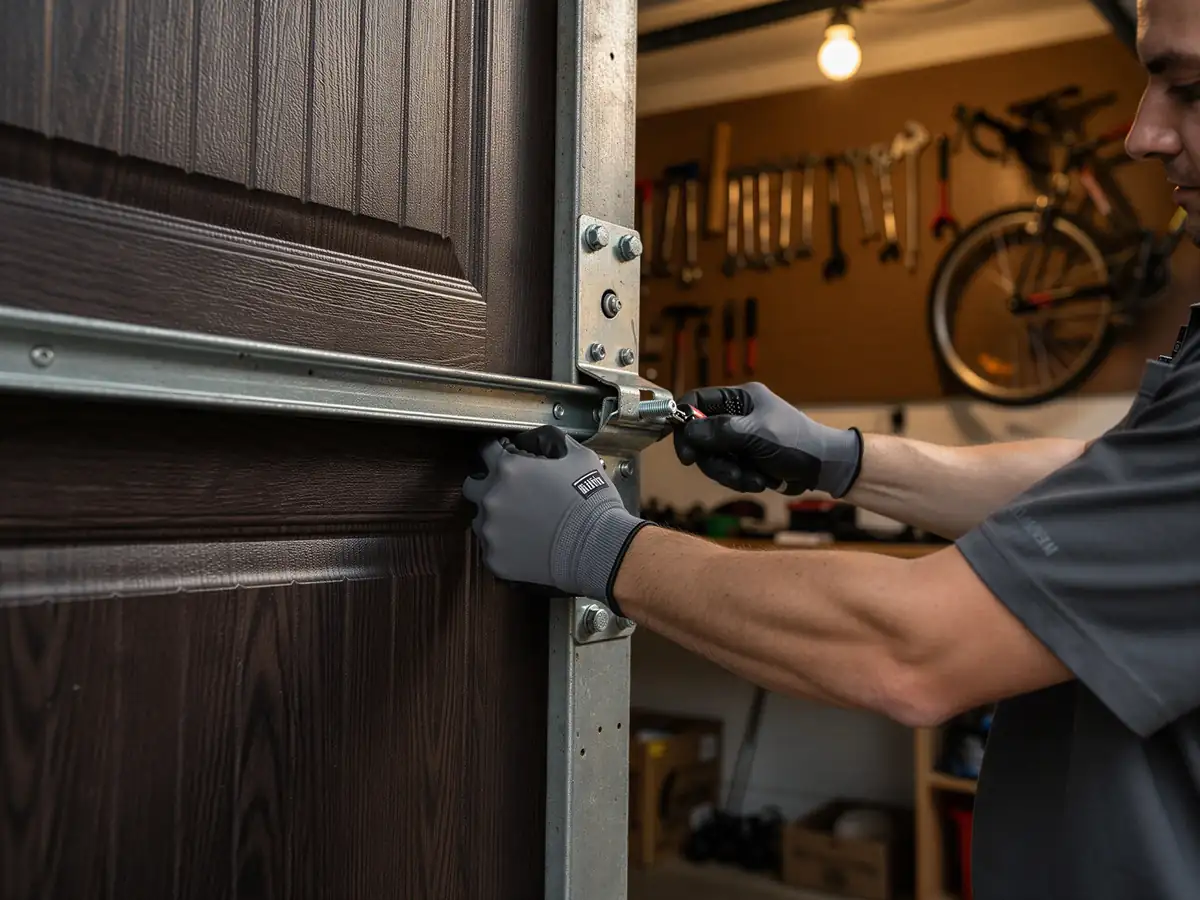
And that median is 1966 - a decade before insulated steel doors were standard. What you've usually got is a single-layer steel panel door, no foam core, hung on a torsion spring sized for a lighter door than what's sometimes been swapped in over the years. These doors run heavier than they look, and the springs on them wear out unevenly because the original hardware was never meant to carry 50-plus years of openings.
The complication isn't the door failing outright
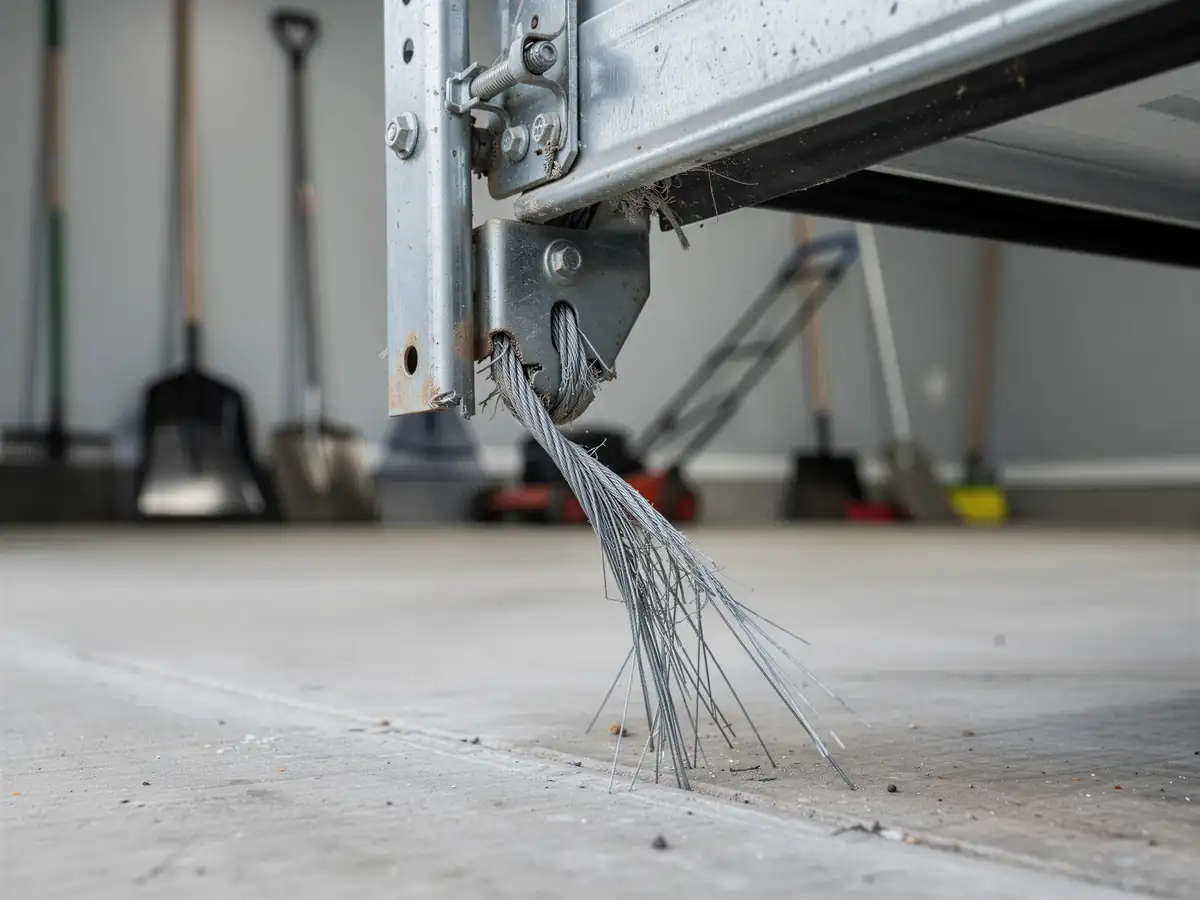
It's that a door this age often has mismatched parts. A homeowner replaces a broken panel in 2005 with whatever the supply house had, and now the door's weight doesn't match the spring that's still original. That imbalance is what burns out openers early and snaps cables that look fine until they're not.
We're not guessing at this from a brochure
A door built to 1966 spec, carrying two or three repairs' worth of parts from different decades, is a different job than a door installed ten years ago. That's the job we show up for in Portsmouth more than almost anywhere else we drive to.
Booking a Visit
We run this call out of Norfolk, about 8 miles from Portsmouth, so there's no local branch sitting around the corner - just a truck that comes when you call. That distance doesn't change what we carry on the truck or how we price the work; it just means you tell us what the door is doing and we bring parts sized for a 1966-era opening rather than guessing on-site.
If you know the brand or age of your opener, or whether the door's ever had a panel replaced, mention it when you call. On a door this old, that detail often changes which spring or cable we bring, and it saves a second trip.
We don't do same-day guarantees because we're not based in Portsmouth - we're honest about that rather than promising a window we can't always hit. What we can do is give you a real estimate over the phone once we know the door's age and what it's doing, and work out a visit from there.
What You Are Seeing
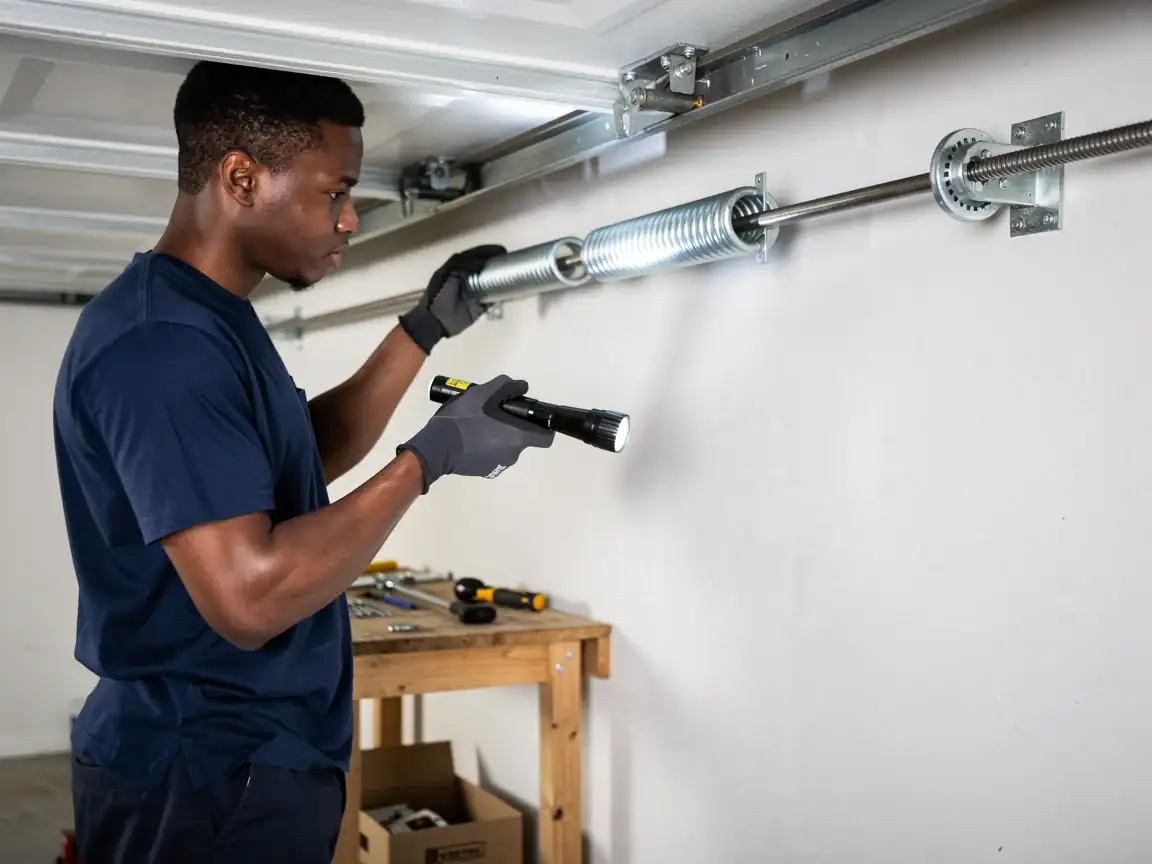
A torsion spring on a steel door from the mid-1960s often shows its age as noise first - a grinding or popping sound on the way up - before it breaks outright. Because the stock here is mostly single-layer steel without insulation, you'll also hear more of what's going on inside the spring system than you would on a newer foam-core door; there's nothing to dampen it.
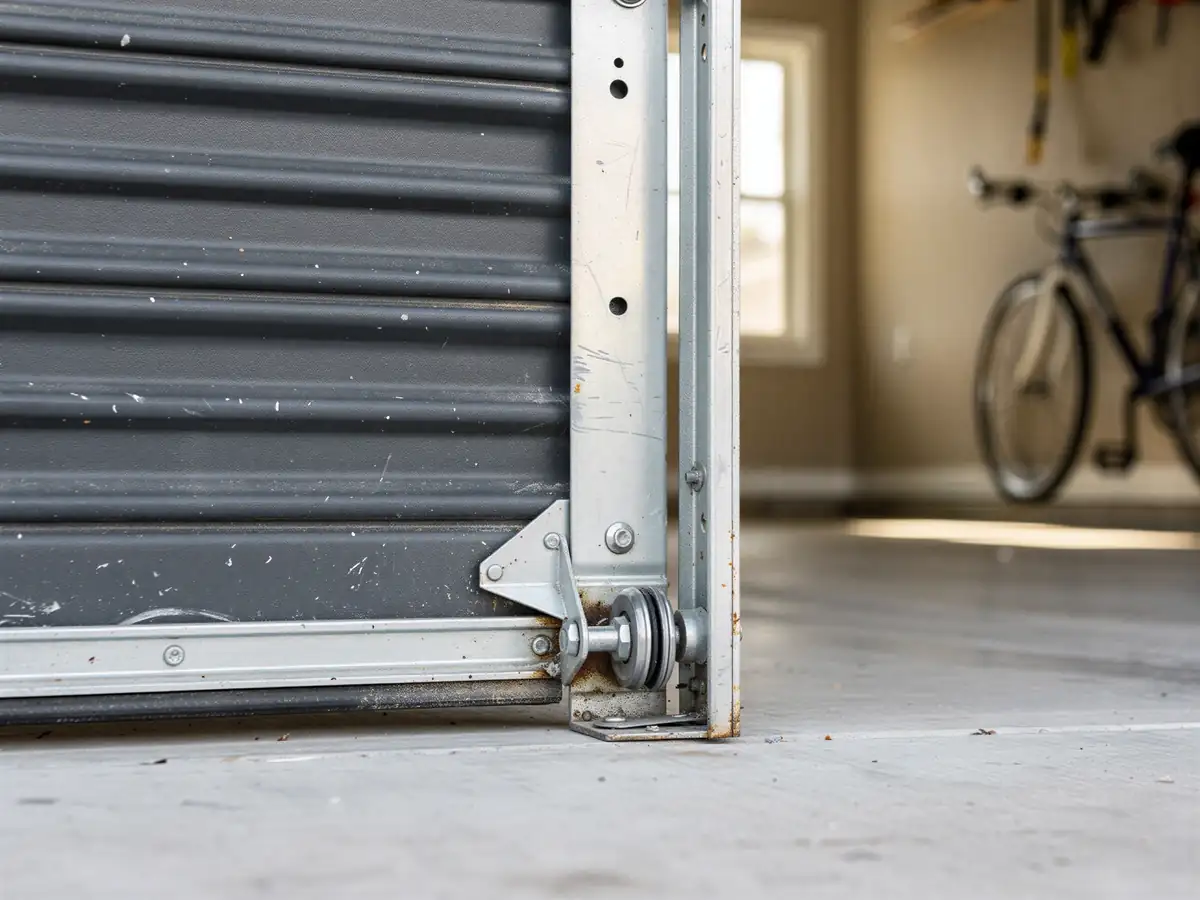
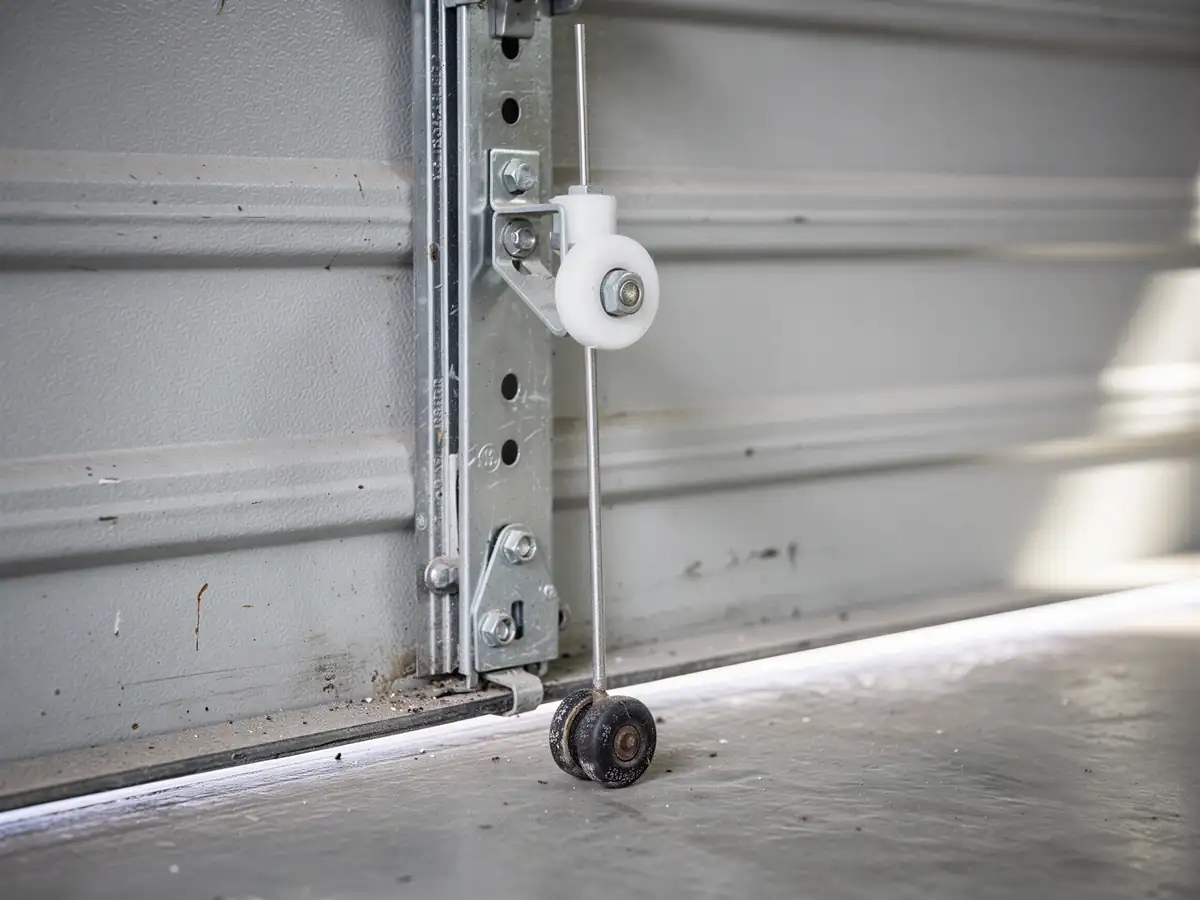
Track misalignment is common too, especially on doors that have had a panel swapped at some point - the replacement section doesn't always sit quite true, and over years that pulls the rollers off-line. If your door drags on one side or the opener strains harder than it used to, that mismatch is usually why.
What you're not seeing as often here, compared to newer construction, is opener-sensor trouble - a lot of these original setups never had modern safety sensors retrofitted. If yours still runs on an older opener, that's worth flagging when you call, since it changes what we check first.
Why It Happens Here
Portsmouth sits in a cold-moderate climate band
Which doesn't mean brutal winters, but it does mean enough freeze-thaw swing each year to work on steel panels and the seals around them - rust at the bottom corners, stiffened weatherstrip, springs that lose tension faster in the cold months. On a door built in 1966, that's had five decades of those cycles to work through metal that was never galvanized to the standard doors get today.
Income here runs lower than some of the areas we also cover
And that shapes the calls we get - more folks asking for a repair that extends the door's life rather than a full replacement, and that's a legitimate call to make on a door this age if the frame and track are still square.
Across the roughly 39,678 households in Portsmouth
A lot of garage doors are original or close to it. That's not unusual for housing from this era, but it does mean parts availability matters more here than on a newer build - some original hardware isn't something a supply house stocks anymore, and we tell you that upfront rather than pretending otherwise.
- 39,678 households